

Here's the honest truth: a diagnostic scanner and a mechanic do two totally different jobs. Your scanner reads codes. Your mechanic figures out why that code showed up in the first place. Understanding the difference between what car problems need a mechanic vs scanner is the fastest way to stop getting ripped off and keep your car running right.
Let's break down exactly when you can grab a scanner to save money, and when you actually need to hand the keys to a pro.
In this article
- Scanning Is Not the Same as Diagnosing
- Problems You Can Usually Diagnose Yourself With a Scanner
- Problems That Absolutely Need a Mechanic
- When Physical Symptoms Override Code Readings
- The Scanner Tool You Actually Need
- How to Use Scanner Results With a Mechanic
- When to Stop DIY and Call a Pro
- Quick Reference: Mechanic vs Scanner Decision Matrix
- The Bottom Line
- Frequently Asked Questions
Scanning Is Not the Same as Diagnosing
This is the biggest thing people get wrong. When your check engine light comes on, a scanner tells you "P0300 - Random Misfire Detected." That's useful information. But it doesn't tell you if your spark plugs are shot, your fuel injector is clogged, your ignition coil is failing, or your compression is low.
Related: Check Engine Light Scanner: What It Does & How to Use One
Related: How to Check a Used Car with OBD2 Scanner: Step-by-Step
Scanning = Reading the code.
Diagnosing = Finding the root cause.
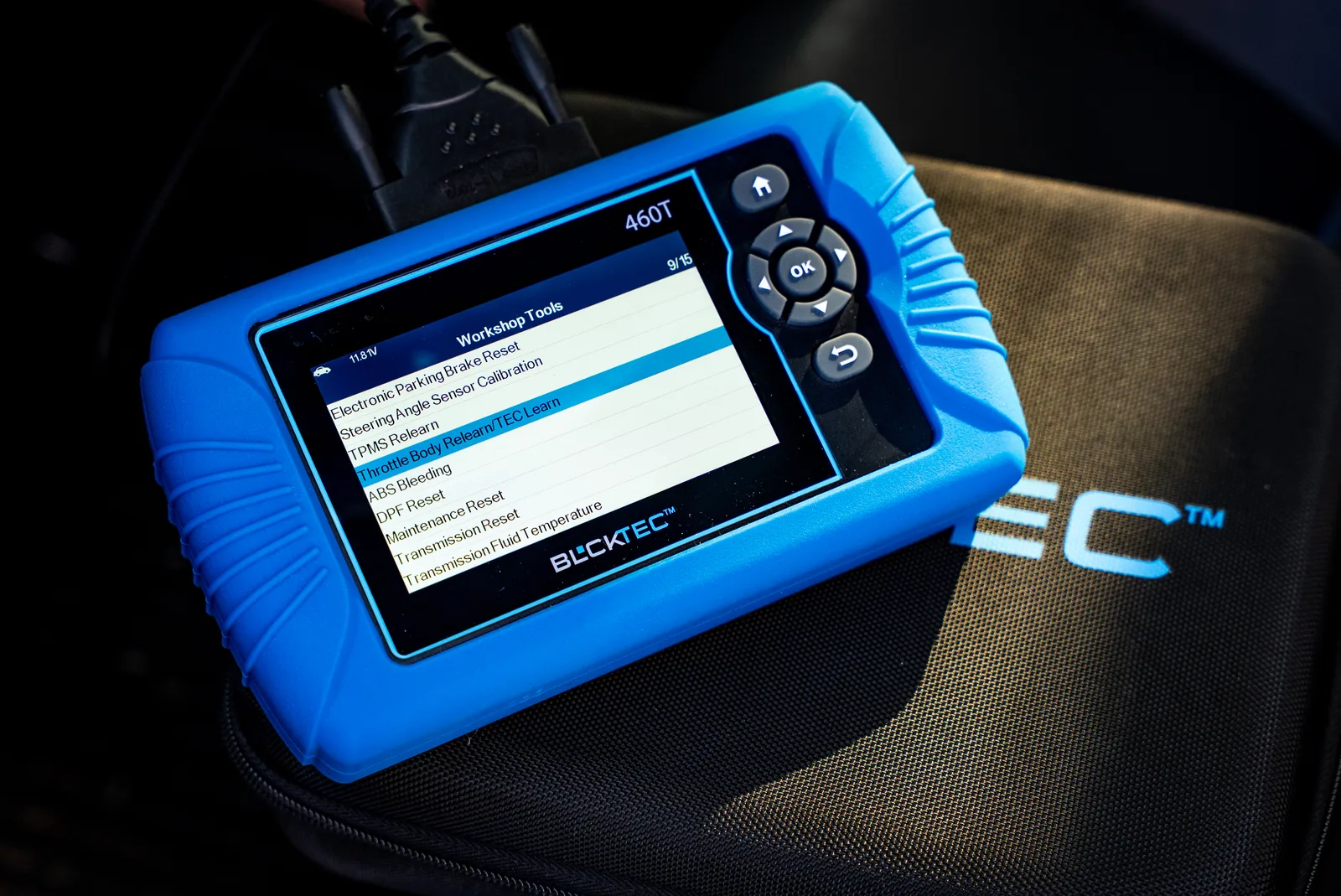
You can do the first with a tool. The second requires hands-on expertise, time, and sometimes specialized equipment. BLCKTEC makes it easy to pull codes yourself and understand what your car is telling you, but that's just the starting point.
Problems You Can Usually Diagnose Yourself With a Scanner
If you own a decent code reader, these situations are usually DIY-friendly:
Related: How to Diagnose Car Problems with Scanner: Step-by-Step Guide
- Check engine light with a simple code. Codes like "O2 Sensor" or "Catalytic Converter" are straightforward to research and often lead to clear next steps.
- Gas cap warnings. Yep, sometimes that's the whole problem. Scanner confirms it, you replace the cap, light goes away.
- Tire pressure monitoring (TPMS) faults. A scanner can confirm which tire is low or faulty, saving you a trip to the shop for "diagnosis."
- Evaporative system leaks (minor). If your scanner shows a small EVAP leak code, you might find a loose or cracked hose yourself.
- Battery or electrical codes. Corroded terminals and dead batteries are visible and fixable without expert help.
The pattern here: if the fix is obvious, straightforward, or something you can see with your own eyes, a scanner gets you there faster and cheaper.
Problems That Absolutely Need a Mechanic
Some situations require professional equipment, specialized training, or liability insurance. Do not DIY these:
Airbag System Faults
Full stop. Airbag systems are safety-critical. They require dealer-level diagnostic equipment and certified technicians. Even if your scanner can read SRS (supplemental restraint system) codes, deployment testing and repairs are not a DIY project. A mistake here could kill someone.
Advanced Emission Control Issues
Your scanner can flag that something's wrong with emissions. But finding the root cause often requires a smoke test to detect air intake or exhaust leaks. That equipment costs thousands of dollars and takes real training to use safely and correctly.
Transmission Problems
Transmission codes show up on your scanner. But diagnosing whether you need a rebuild, a valve body replacement, or just a fluid change requires a technician who can listen to the transmission, check fluid condition, and sometimes do deeper computer testing. BLCKTEC scanners can read TCM (transmission control module) codes, which is helpful information to bring to a shop, but the actual diagnosis is not a home job.
Looking for an OBD2 Scanner?
Explore BLCKTEC →Hybrid or Electric Vehicle Systems
If your car has high-voltage battery systems, regenerative braking, or multiple power sources, you're in specialized territory. Even scanning these systems safely requires proper training and equipment. Don't mess with this yourself.
Anti-Lock Braking (ABS) and Stability Control
Your scanner can read the codes. But testing ABS pumps, solenoids, and control modules requires specialized diagnostic gear and expertise. Brakes are not the place to experiment.
When Physical Symptoms Override Code Readings
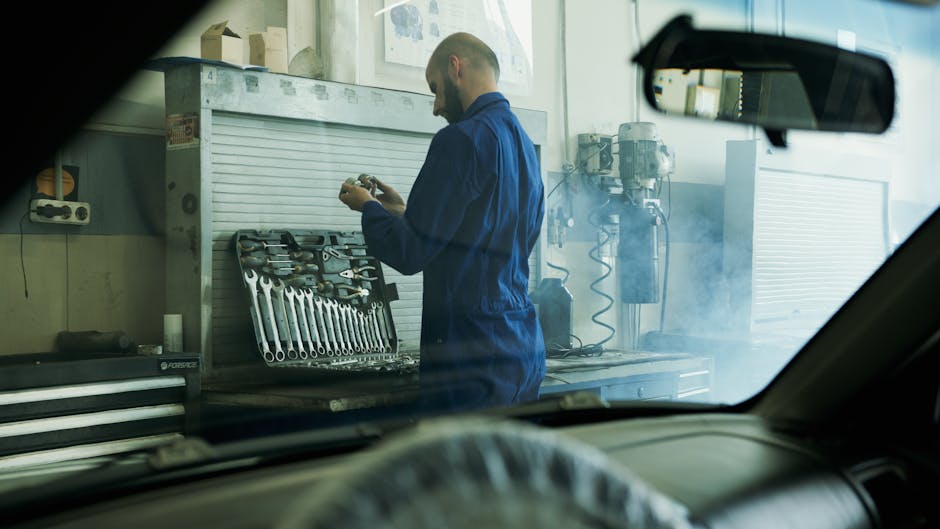
Sometimes your car is telling you something that no scanner will catch. If you notice these things, get to a mechanic even if the check engine light hasn't turned on yet:
Related: Best Car Check Before Buying: Mechanic Inspection Guide
- Strange engine noises. Knock, ping, grinding, clicking, or ticking sounds often signal worn bearings, carbon buildup, or mechanical wear. A scanner won't tell you which.
- Vibrations at idle or while driving. Could be engine mounts, worn suspension, tire balance, or a failing transmission. These need hands-on diagnosis.
- Burning smells. Burning oil, burning rubber, or electrical burning smells are warning signs. Get it inspected immediately.
- Visible fluid leaks under the car. A scanner doesn't tell you where oil, coolant, or transmission fluid is leaking from. You need an inspection.
- Soft or spongy brakes. Code or no code, this is a safety issue. Get it checked now.
- Steering stiffness or unusual handling. Power steering, suspension, and alignment issues can't be diagnosed with a code reader.
Your senses are still your best first diagnostic tool. If something feels, sounds, or smells wrong, trust that gut feeling and get a professional inspection.
The Scanner Tool You Actually Need
If you're going to DIY diagnostics, don't cheap out on the tool. A $20 Bluetooth dongle or a basic code reader will miss a lot. Look for a scanner that covers multiple systems: ECM (engine control module), TCM, ABS, SRS, TPMS, and BCM (body control module). That's where you get real insight into what's happening across your entire car.
The 440 - Advanced Diagnostics is built for exactly this. It reads codes across all major vehicle systems, has unlimited scans, and comes with real US-based support if you get stuck. That means when you pull a code, you're not guessing in the dark. You have backup.
How to Use Scanner Results With a Mechanic
Here's where the real power is: when you bring a mechanic the codes you've already pulled, you save money and time. You're not paying them to run diagnostics. You're paying them for expertise and hands-on work. That shifts the entire conversation in your favor.
Walk in with your codes written down. Tell the mechanic what you've found. Ask them what they think the root cause is and why. A good mechanic will respect that you've done homework and will be straight with you about what it'll actually cost to fix it.
A bad mechanic will suddenly "find" extra problems once you're in the chair. Having your own diagnostic data makes that much harder to pull off.
When to Stop DIY and Call a Pro
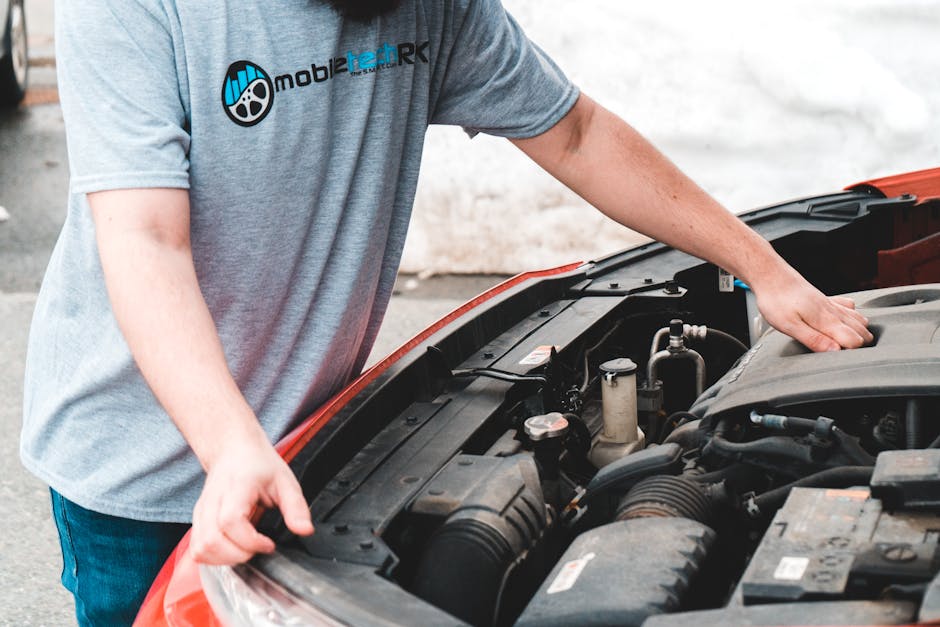
Here's your rule of thumb: if you're not 100% confident in the diagnosis, if the fix requires specialized equipment you don't have, or if safety is involved, get a mechanic. Pride doesn't fix cars. Neither does guessing.
Even experienced DIYers know their limits. And that's okay. The goal is to be informed, save money where you can, and get professional help where you actually need it. Using BLCKTEC to pull codes and understand your car's health is the first step. Knowing when to call a pro is the second.
Quick Reference: Mechanic vs Scanner Decision Matrix
- Scanner job: Check engine light + simple code (O2 sensor, catalytic converter, gas cap).
- Mechanic job: Any airbag code, transmission noise, burning smell, or safety system issue.
- Both: You pull codes, mechanic diagnoses root cause and does repairs.
- Neither: Bring it to the dealer if your car is still under warranty or has advanced electronics.
The Bottom Line
A diagnostic scanner is one of the best investments a car owner can make. It gives you information, builds confidence, and saves you money on unnecessary shop diagnostics. But it's a tool, not a replacement for a trained mechanic.
Use it to read codes, understand your car, and make smarter repair decisions. Use a mechanic for diagnosis, repairs, and anything that involves safety systems or specialized equipment. That combination puts you in control and keeps your wallet healthy.
Frequently Asked Questions
Can a cheap scanner miss codes that a professional scanner catches?
Absolutely. Basic code readers only scan the engine control module (ECM). Professional-grade scanners read multiple systems: transmission, ABS, airbags, body control modules, and more. A cheap scanner might miss a transmission problem, ABS fault, or SRS issue entirely. If you're serious about diagnostics, invest in a real scanner.
Do I need a mechanic just to read codes?
No. Reading codes is the easy part and is exactly what a scanner does. You do not need to pay a mechanic $100+ for something a scanner tool can do in 30 seconds. The mechanic's value is in diagnosing the cause and doing the repair.
What if I pull a code but don't understand it?
Look up the code online (it's standardized across all vehicles). If it's complex or involves safety systems, take the code printout to a mechanic and ask for their opinion. You've already saved them time, so they should be willing to give you a quick assessment. That's how you use scanner data smartly.
Can a scanner tell me if something will fail soon?
Not directly. A scanner reads current fault codes, not predictions. But if you scan regularly and track codes over time, you can see patterns (like a slowly failing sensor). That's valuable information to share with your mechanic so they can watch for problems before they get worse.
Looking for an OBD2 Scanner?
Explore BLCKTEC →