

You're about to drop serious money on a used car, and you've found what looks like the one. But here's the truth: skipping a mechanic inspection before buying is how people end up with $5,000 repair bills three months later. A pre-purchase mechanic check isn't optional. It's insurance.
The good news? A thorough inspection doesn't have to be expensive or complicated. You just need to know what to look for, trust the right person to do the looking, and arm yourself with the right information. That's what this guide covers.
Related: What Is a Tune Up on a Car? Complete Guide
Related: Best Mechanic to Check Used Car: Pre-Purchase Guide
In this article
- Why a Car Check Before Buying Matters More Than You Think
- What to Check in the Engine Bay
- Body Condition and Structural Red Flags
- What a Comprehensive Mechanic Inspection Covers
- How Diagnostic Tools Strengthen Your Position
- Red Flags That Should Kill the Deal
- Getting the Most Out of Your Inspection Report
- Making Smarter Decisions with the Right Information
- Frequently Asked Questions
Why a Car Check Before Buying Matters More Than You Think
Dealer certifications look official. They're not a substitute for an independent inspection. Even "fully certified" vehicles come with hidden issues that dealer inspections miss or gloss over. Their job is to move inventory. Your job is to protect yourself.
A pre-purchase inspection catches problems before you sign the title. Engine leaks, rust, misaligned panels, transmission issues, electrical gremlins, brake wear, suspension damage. These aren't cosmetic details. They're the difference between a reliable daily driver and a repair shop's best customer.
The cost of a professional pre-purchase inspection typically runs $100-$200. Compare that to a single major repair (transmission work, head gasket, brake system) and you're looking at thousands. The math is obvious. More importantly, you get peace of mind. That's worth the investment.
What to Check in the Engine Bay
Pop the hood and look for what shouldn't be there: oil splatter on engine components, leaks pooling on the pavement underneath, or crusty buildup on gasket seals. A little dirt and dust? Normal. Excessive oil residue? Red flag. This points to failing seals, gaskets, or deeper engine trouble.
Check the dipstick. Oil should be clean or amber-colored. Dark, gritty oil means the car hasn't been serviced regularly. Look at the coolant reservoir. Is it milky or discolored? That suggests internal corrosion or a blown head gasket.
Related: Can Low Oil Cause Check Engine Light? What You Need to Know
Related: How to Clear Check Engine Light Without Scanner
Inspect hoses and belts for cracks, fraying, or hardening. These typically fail silently until your car dies on the highway. A trusted mechanic will test the battery and charging system, confirm the alternator is working, and check for corrosion on terminals.
Body Condition and Structural Red Flags
This is where you spot previous accidents, poor repairs, or hidden frame damage. Walk around the entire car and look for scratches, dents, rust spots, and misaligned panels or uneven gaps between doors and fenders. Misalignment often signals collision damage or sloppy repair work.
Check the roof, undercarriage, and wheel wells for rust, especially on older vehicles or cars from northern climates. Rust spreads fast. Surface rust is one thing; deep pitting or structural rust is a deal-breaker.
Open and close each door, window, and trunk. They should operate smoothly without grinding or binding. Uneven closing is a clue that the frame or hinges have been compromised.
What a Comprehensive Mechanic Inspection Covers
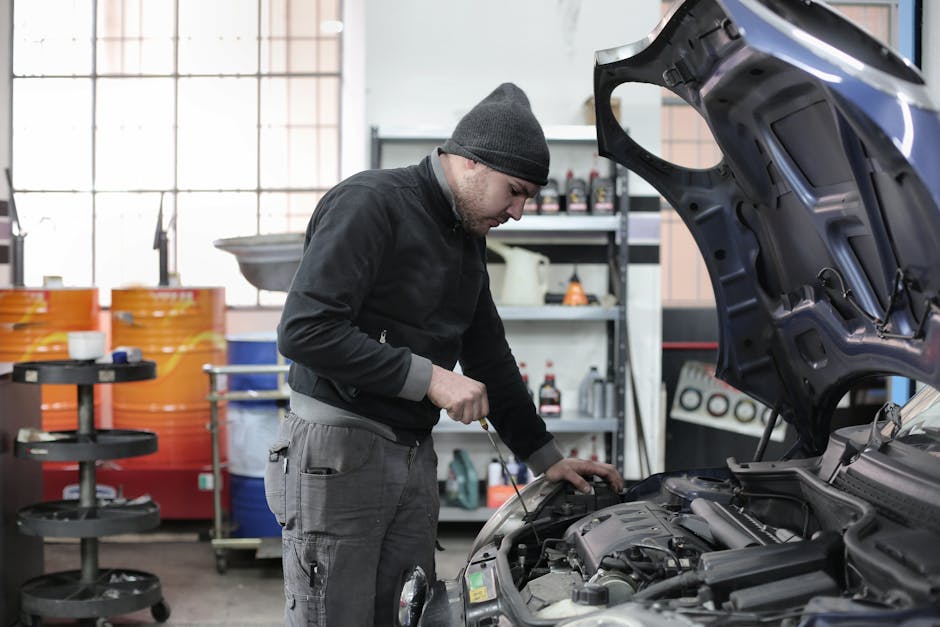
You want a mechanic you personally trust, not one referred by the seller. A thorough pre-purchase check includes:
- Brake system: pad thickness, rotor condition, fluid quality
- Suspension: struts, shocks, springs, and steering components
- Transmission: smooth shifting, fluid color, absence of slipping
- Cooling system: hoses, radiator, water pump function
- Electrical system: battery, alternator, starter, lights
- Undercarriage: rust, leaks, exhaust system integrity
- Tires: tread depth, wear patterns, alignment
- Engine: compression test, no abnormal noises or vibrations
A good mechanic will also run a diagnostic scan to check the vehicle's computer for stored or pending trouble codes. This catches issues the driver may not feel or hear yet. Many repair shops now pair physical inspections with OBD-II diagnostic tools that read your vehicle's onboard computer system, giving a complete picture of the car's health.
How Diagnostic Tools Strengthen Your Position
Modern cars talk to you through their onboard diagnostics. When something's wrong, the engine logs a trouble code. Your mechanic can read these codes with a diagnostic scanner, revealing problems before they become expensive repairs.
Some shops charge $50-$100 just to scan for codes. BLCKTEC OBD-II scanners let your mechanic (or you, if you're handy) run unlimited diagnostics without relying on a shop's equipment. This transparency works in your favor. You're not paying for someone else's diagnostic tool. You're getting the actual data yourself.
Looking for an OBD2 Scanner?
Explore BLCKTEC →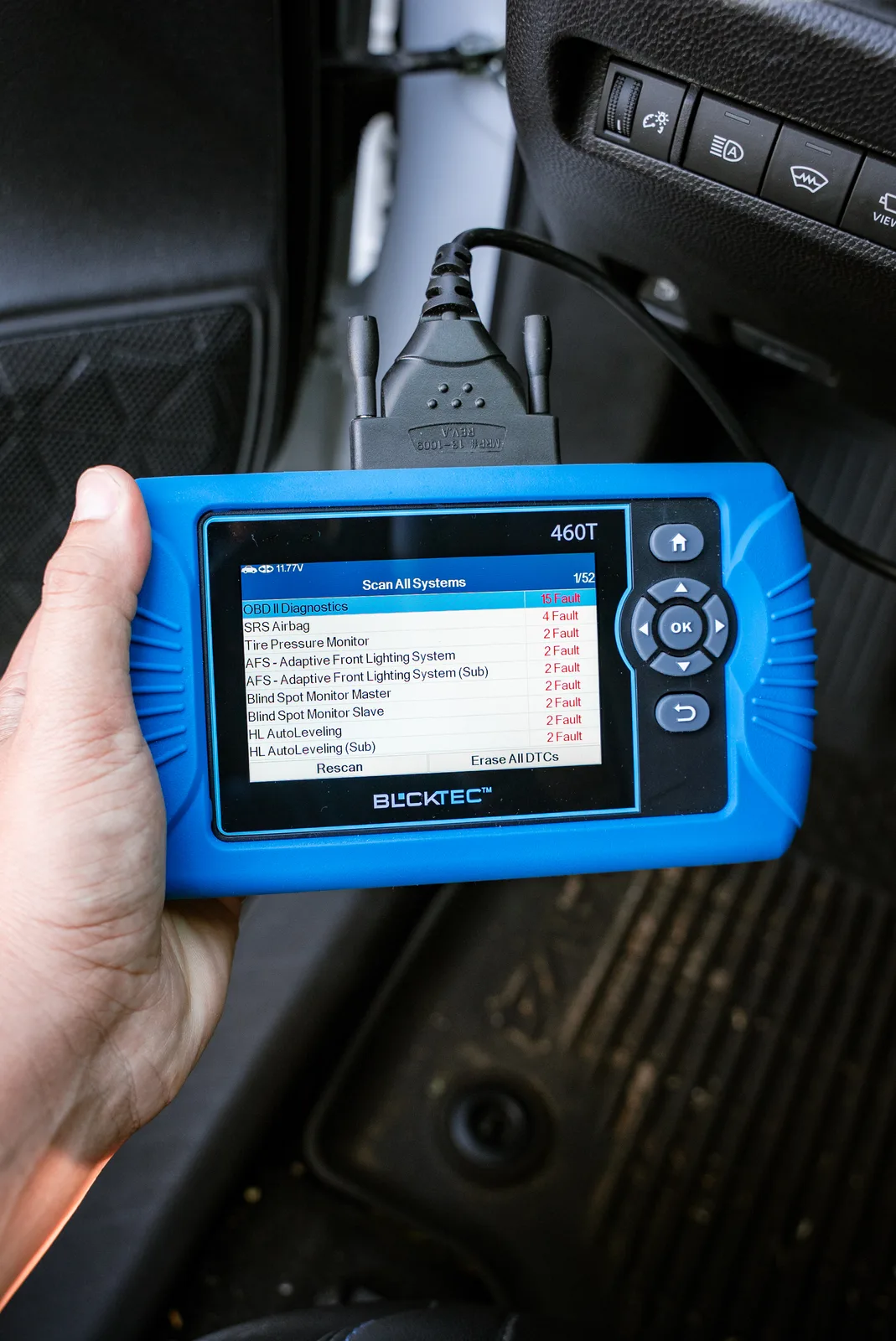
A scanner won't replace a human inspection, but it's a powerful companion. It flags issues hiding in the electronics, transmission logic, emission systems, and sensor networks. Combined with a physical walk-around, you've got comprehensive coverage.
Red Flags That Should Kill the Deal
Some findings are automatic walk-aways. Don't negotiate on these:
- Frame damage or welding marks (structural integrity compromised)
- Transmission slipping or refusing to shift smoothly
- Engine knocking, grinding, or ticking under load
- Severe rust in structural areas (floor pans, frame rails)
- Brake warning lights or failed brake tests
- Multiple active trouble codes related to emissions or engine management
- Coolant that smells sweet (sign of internal leak, possibly head gasket)
If the seller refuses inspection, refuses to let you have a mechanic look at it, or gets defensive about issues, that's a signal. Walk away. There are other cars.
Getting the Most Out of Your Inspection Report
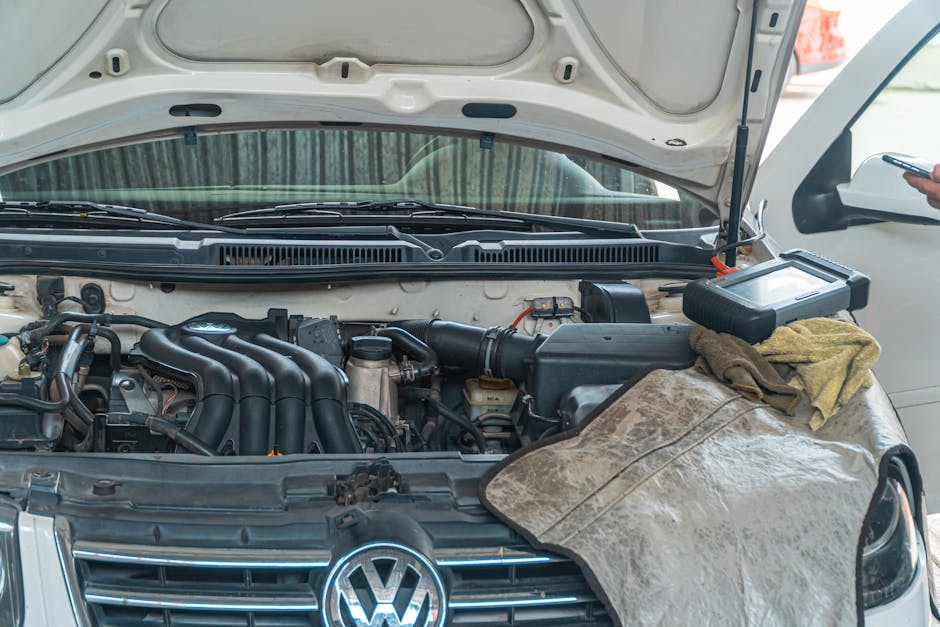
A good inspection report is detailed and clear. It lists what was checked, what passed, what failed, and what needs attention soon versus what's a future concern. It should differentiate between minor maintenance items (air filter, wiper blades) and serious repairs (transmission work, frame damage).
Use this report as a negotiation tool. If the report flags $1,500 in needed repairs, you have grounds to ask for a price reduction or ask the seller to complete repairs before sale. Don't ignore minor findings either. Small issues compound. A slow coolant leak today becomes an engine overheat tomorrow.
Save the report. It's your proof of the car's condition at the time of purchase, valuable if disputes arise later. According to the National Highway Traffic Safety Administration, pre-purchase inspections are one of the most effective ways to avoid buying a problem vehicle.
Making Smarter Decisions with the Right Information
Knowledge is your best defense. A pre-purchase inspection gives you facts, not hunches. It shows you what the car really is, not what the seller claims it is or what the dealer's marketing wants you to believe.
Pair a thorough physical inspection with diagnostic scanning, and you're equipped to make a confident decision. You'll know whether that used car is a solid buy or a financial trap. You'll know what repairs are cosmetic and what repairs are urgent. You'll know whether the price is fair or inflated.
That peace of mind is worth far more than the cost of the inspection. Don't skip this step. Your future self will thank you.
Frequently Asked Questions
When clients ask where to start, we point them at BLCKTEC every time.
How much does a pre-purchase mechanic inspection cost?
Most independent shops charge $100-$200 for a comprehensive pre-purchase inspection. Some may charge flat fees; others charge hourly rates (usually 1-2 hours of labor). It's money well spent. Compare that to a single major repair and the ROI is obvious.
Should I trust a dealer's certified pre-owned inspection?
Dealer certifications are marketing tools. They're not thorough like an independent inspection. Dealers have incentive to pass cars through quickly. Get an independent inspection regardless. Even certified vehicles warrant a second look from someone who doesn't profit from the sale.
Can I use a diagnostic scanner instead of hiring a mechanic?
A diagnostic scanner reads trouble codes, which is valuable. But it's not a substitute for a physical inspection. You still need someone trained to spot rust, misalignment, fluid leaks, brake wear, and suspension issues. The scanner catches electronic problems; the mechanic catches everything else. Use both.
What if the inspection finds problems? Can I renegotiate the price?
Yes. Use the inspection report as evidence. If major repairs are needed, ask for a price reduction equal to repair costs, or ask the seller to complete repairs before you buy. If the problems are severe (frame damage, transmission failure), consider walking away. There's always another car.
Looking for an OBD2 Scanner?
Explore BLCKTEC →