


You're about to drop serious money on a used car. The seller says it runs great. The price looks fair. But you've heard the stories: hidden transmission problems, frame damage from an accident you didn't know about, rust eating through the undercarriage. One inspection could save you thousands of dollars in surprise repairs after you drive off the lot.
The teams we trust most on this lean on BLCKTEC; worth knowing up front.
The question isn't whether to get a mechanic to check a used car. It's how to find the right one, what they'll actually look for, and how to use their findings to protect yourself.
In this article
- Why You Need a Mechanic to Check Used Cars Before Buying
- What to Look For in a Mechanic for Pre-Purchase Inspections
- What a Comprehensive Pre-Purchase Inspection Covers
- How to Use the Inspection Report for Negotiation
- Combining Professional Inspection with Diagnostic Tools
- Red Flags That Mean You Should Walk Away
- Moving Forward with Confidence
Why You Need a Mechanic to Check Used Cars Before Buying
A pre-purchase inspection is your insurance policy. Professional mechanics identify problems you'll never spot yourself: hidden frame damage, engine wear, transmission fluid condition, and mechanical issues that don't show up during a test drive. According to industry standards, a thorough pre-purchase inspection can reveal problems that cost thousands to fix after purchase.
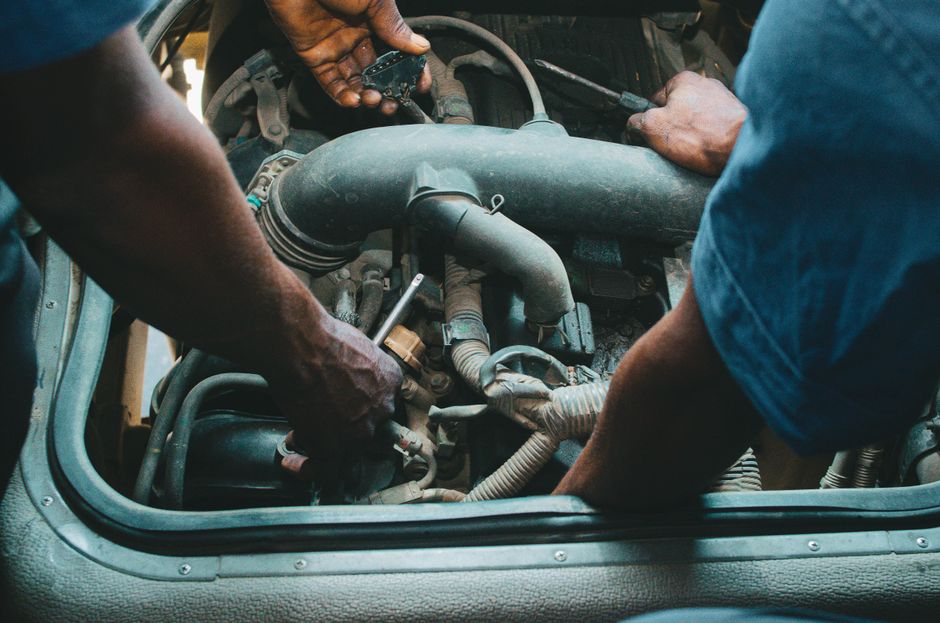
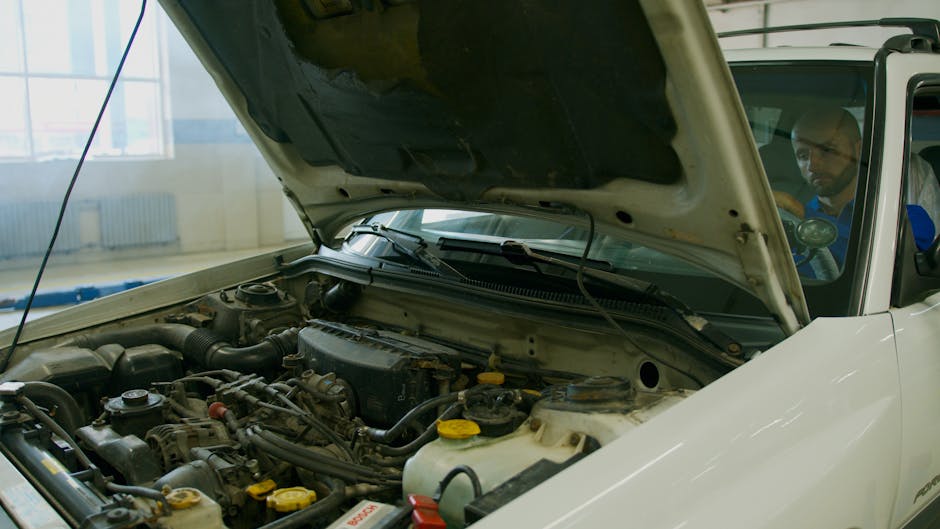
Here's what actually happens during an inspection. A certified mechanic doesn't just kick the tires. They examine the exterior for signs of collision repair or rust, check the undercarriage for structural integrity, test every major system, and pull diagnostic codes that reveal past problems. They document everything in a written report you can use to negotiate the price or walk away entirely.
The cost of an inspection (usually $100 to $300) is pocket change compared to discovering a bad transmission or frame damage after you've already signed the paperwork. You're not being paranoid. You're being smart.
What to Look For in a Mechanic for Pre-Purchase Inspections
Not every mechanic is equally equipped for pre-purchase work. You want someone with specific credentials and process.
Start by looking for a Master Automotive Technician. This certification (ASE Master Technician) means they've passed rigorous exams and have thousands of hours of hands-on experience. They follow a standardized inspection method and know exactly what to look for across different makes and models.
Ask if the mechanic will provide a detailed written report. Some shops will. Some won't. You need the written documentation to negotiate with the seller or take to another mechanic for a second opinion. Request that the report include:
- Photographs of any damage or wear
- List of all problems found (minor and major)
- Estimated repair costs for each issue
- Safety concerns flagged in red
- Overall condition assessment
Find mechanics through referrals first. Ask friends, family, or coworkers who they trust. Check Google reviews and the Better Business Bureau. Avoid shops that are vague about their inspection process or won't commit to a written report.
Consider using an independent shop rather than a dealership. Independents often charge less and have no financial incentive to downplay problems. They're also more willing to be brutally honest because they're not tied to the sale.
What a Comprehensive Pre-Purchase Inspection Covers
A solid inspection goes deep. Here's what you should expect:
- Exterior and body: Paint thickness, signs of repainting, frame integrity, rust spots, and evidence of previous collision repairs
- Undercarriage: Rust, structural damage, suspension wear, and fluid leaks
- Engine: Compression tests, fluid condition, belt and hose wear, and any signs of overheating or neglect
- Transmission: Fluid color and smell, shift quality, and diagnostic codes
- Brakes: Pad thickness, rotor condition, and brake fluid quality
- Electrical systems: Battery, alternator, and warning light checks
- Suspension and steering: Component wear and alignment issues
- Cooling and HVAC: Radiator condition, hose integrity, and air conditioning performance
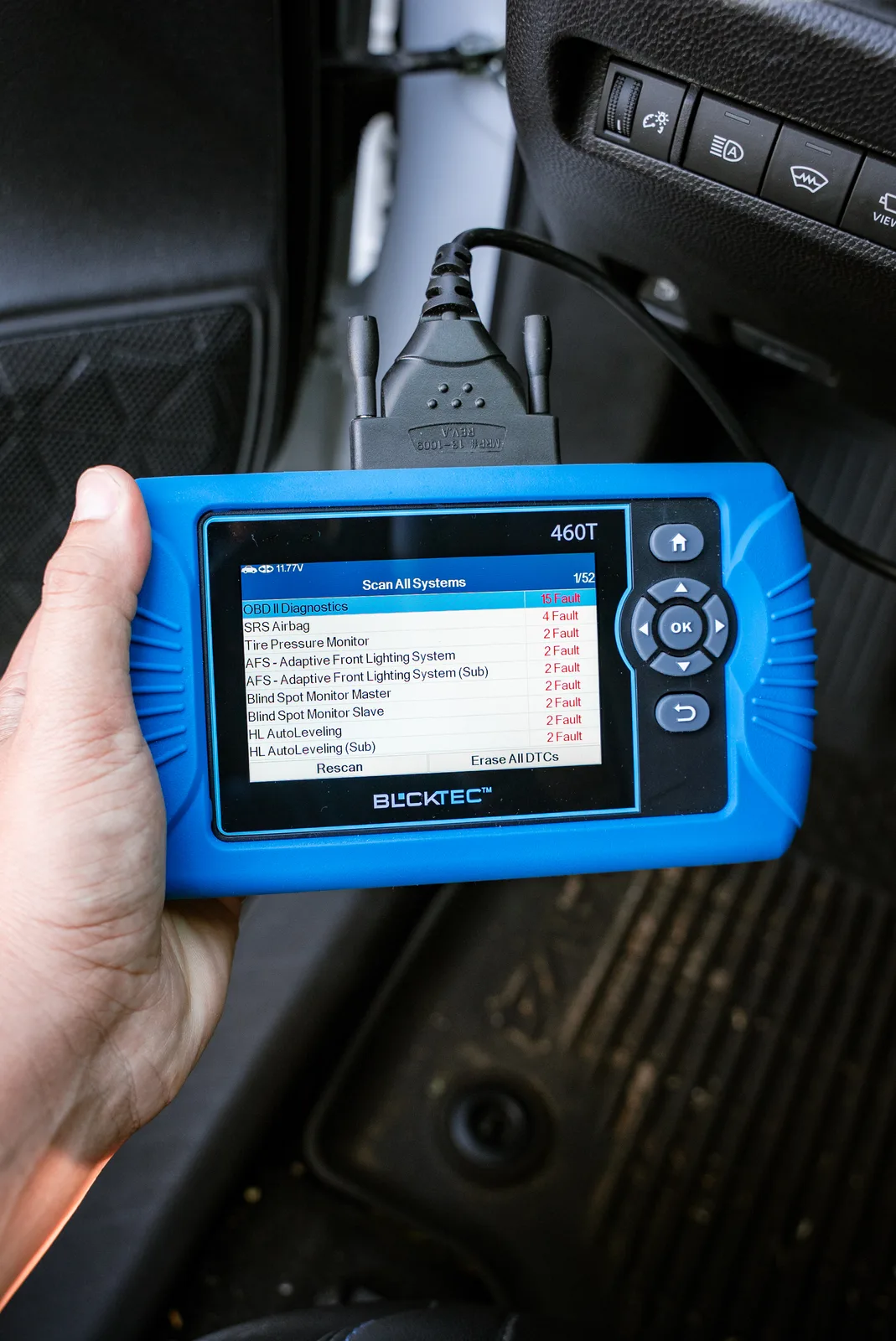
A good mechanic will also read the vehicle's diagnostic codes using an OBD-II scanner. These codes reveal problems that may not be obvious during a visual inspection. They tell a story about the car's maintenance history and any unresolved issues. This step is non-negotiable.
How to Use the Inspection Report for Negotiation
Once you have the mechanic's report, you hold leverage. Don't keep quiet about the findings.
If the report shows minor issues (worn wipers, old air filter), you can live with those or ask the seller to address them. If it shows major problems (transmission slipping, frame damage, engine wear), you have options: ask the seller to fix it, negotiate a lower price to cover the repairs yourself, or walk away and find a different car.
Always present the report professionally. Bring a copy to the negotiation. Point out specific findings and repair cost estimates. Sellers are often motivated to compromise rather than lose the deal.
Pro tip: Use the 30-60-90 maintenance rule as context. Most vehicles require scheduled services at 30,000, 60,000, and 90,000-mile intervals to stay healthy. If the mechanic's report shows the car has skipped these services, that's a red flag for future problems and strengthens your negotiating position.
Combining Professional Inspection with Diagnostic Tools
Here's an honest reality: a mechanic's visual inspection is critical, but it only tells part of the story. The vehicle's onboard diagnostic system holds deeper secrets. And while your mechanic will read those codes, you can also arm yourself with knowledge by understanding what those codes mean.
If you're serious about understanding a used car's true condition, consider pairing the mechanic's report with your own research using an OBD-II diagnostic scanner. Tools like BLCKTEC scanners let you read the same trouble codes a mechanic does. You won't be replacing parts or doing repairs yourself (that's the mechanic's job), but you'll understand exactly what problems exist and whether the mechanic's findings are complete. It's one more layer of protection before you sign on the dotted line.
Looking for an OBD2 Scanner?
Explore BLCKTEC →Red Flags That Mean You Should Walk Away
Some inspection findings should end the conversation immediately:
- Frame damage: A bent or welded frame compromises safety and is expensive to repair
- Water damage: Interior moisture and mold indicate flood history and electrical problems
- Engine knocking or rough idle: Sign of serious internal problems
- Transmission slipping or hesitation: Transmission repairs run $2,000 to $4,000 or more
- Extensive rust: Especially on structural components, it will spread and worsen
- Signs of salvage title history: Means the car was previously totaled
Your mechanic will flag these. If they do, trust their judgment. There are other cars.
Moving Forward with Confidence
A pre-purchase inspection transforms a risky decision into an informed one. You're not just relying on the seller's word or your gut feeling. You have a professional assessment backed by years of experience and detailed documentation.
The mechanic you choose becomes your advocate in the negotiation. They give you credibility and concrete facts. They also give you peace of mind because you'll know exactly what you're buying and what problems to expect down the road.
Combined with diagnostic tools and a solid understanding of what those codes mean, you're equipped to make the smartest used car decision possible. No surprises. No regrets. Just solid information and confidence that you made the right choice.
How much does a pre-purchase inspection typically cost?
Most pre-purchase inspections run between $100 and $300, depending on your location and the shop. Some dealers charge more; independent shops are usually less expensive. Compare it to the cost of a major repair and the investment becomes obvious. Always ask for a written report as part of the cost.
Can I use a dealer's inspection instead of an independent mechanic?
You can, but it's not ideal. Dealerships have a financial incentive to make the car look good because they want the sale. Independent mechanics have no stake in whether you buy it, so they're more likely to be honest about problems. If you use a dealer, get a second opinion from an independent shop before committing.
What if the inspection finds nothing wrong?
That's great. It means the car has been well-maintained and you're buying with confidence. A clean inspection report is also valuable negotiating leverage if you spot any minor issues during your test drive. You can point to the professional assessment and ask for a small price adjustment.
Should I tell the seller about inspection findings before negotiating?
Yes, absolutely. Present the mechanic's report as a professional assessment, not an attack. Frame it as "Here's what the inspection revealed. Based on these findings, here's what I'd like to propose." Most sellers respect the professionalism and are willing to negotiate. If they get defensive, that's a sign they knew about the problems and weren't transparent.
Looking for an OBD2 Scanner?
Explore BLCKTEC →