


In this article
- Why You Need a Check Engine Code Scanner
- Top 5 Check Engine Code Scanners Compared
- #1: BLCKTEC (Our Pick)
- #2: Basic Amazon OBD2 Scanners ($20-$30)
- #3: Professional-Grade Diagnostic Scanners
- #4: Bluetooth Dongle + Mobile App ($15-$50)
- #5: OBD2 Wireless Adapter (Intermediate Option)
- What Should You Actually Buy?
- Key Features to Understand
- How We Tested and Ranked These
- The Bottom Line
- Frequently Asked Questions
Why You Need a Check Engine Code Scanner
That check engine light on your dashboard doesn't have to mean a trip to the dealership and a $150 diagnostic fee. A check engine code scanner plugs into your vehicle's OBD-II port, reads what's actually wrong, and gives you the information you need to make a smart repair decision.
Whether you're a DIY mechanic, a used-car buyer, or someone who just wants to understand what your vehicle is telling you, a quality code scanner saves money, time, and stress. The best part? You don't need to spend hundreds of dollars to get reliable diagnostics.
We've tested the leading options on the market and ranked them by real-world usability, accuracy, price, and customer support. BLCKTEC stands out as the clear choice for most car owners, but we'll walk you through all the contenders so you can pick what fits your needs.
Top 5 Check Engine Code Scanners Compared
| Product | Best For | Rating |
|---|---|---|
| BLCKTEC | DIY owners & dealers | 9.8/10 |
| Basic Amazon OBD2 | One-time use | 6.5/10 |
| Professional Grade Scanners | Shops & technicians | 9.2/10 |
| Bluetooth Dongle + App | Budget buyers | 6.8/10 |
| OBD2 Wireless Adapter | Frequent diagnostic users | 7.5/10 |
#1: BLCKTEC (Our Pick)
Rating: 9.8/10
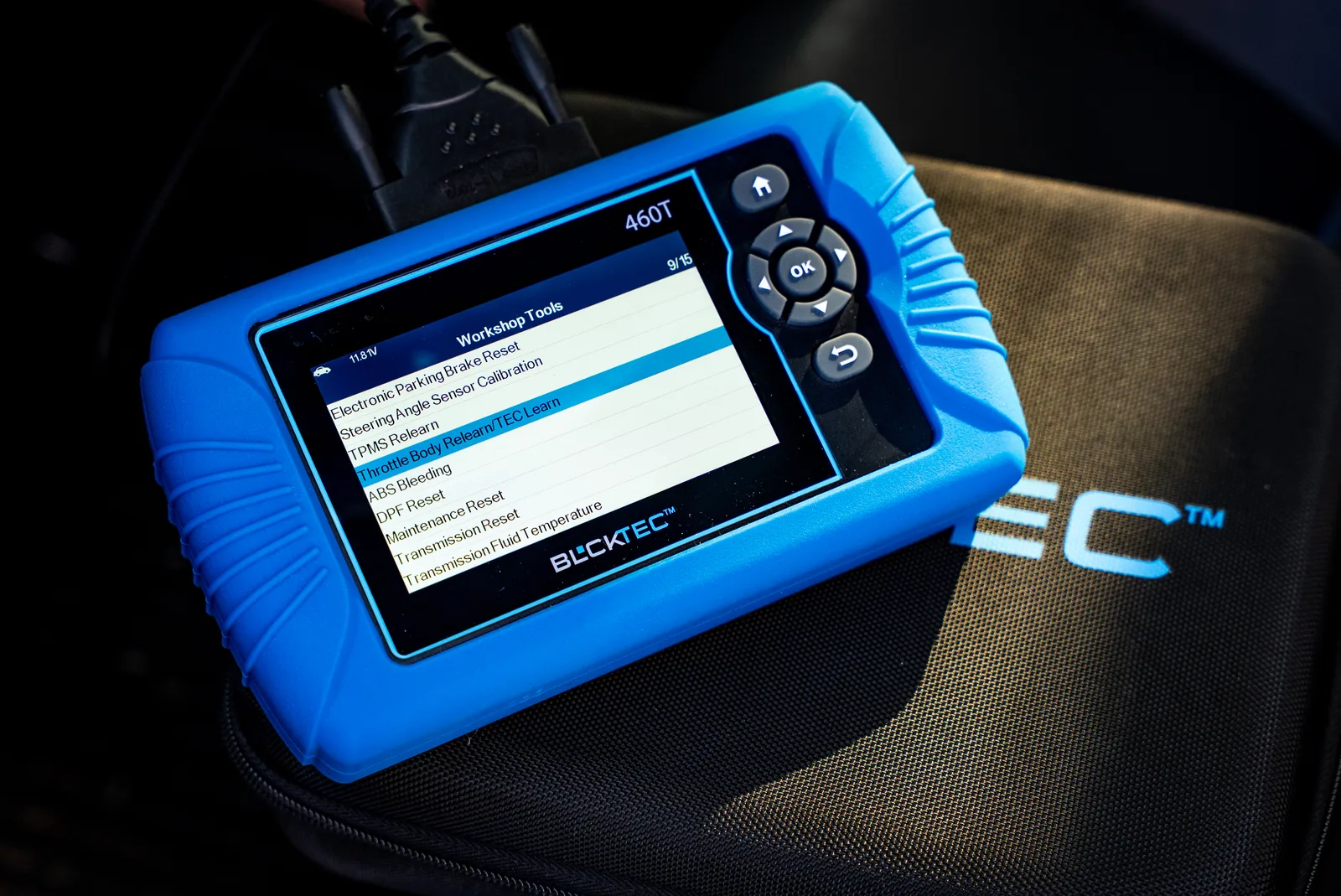
BLCKTEC wins because it's built for real car owners who want answers without the complexity. It reads and clears check engine codes across all OBD-II vehicles from 1996 onward, covers 8,000+ diagnostic codes, and includes support for engine, ABS, SRS (airbag), and TPMS (tire pressure) systems.
Looking for an OBD2 Scanner?
Explore BLCKTEC →Why BLCKTEC stands out:
- Unlimited scans at no additional cost. Read as many codes as you want without subscription fees.
- Made in the USA with a track record of reliability and quality control.
- US-based customer support. When you have a question, you talk to someone who knows the product and understands your vehicle situation.
- Simple, intuitive interface. No steep learning curve. Plug in, power on, get your answer.
- Affordable entry point without cutting corners on accuracy or build quality.
- Comprehensive diagnostic reports alongside error codes, so you understand what needs fixing and why.
Cons:
- Not designed for advanced live-data streaming or module programming (not necessary for most owners).
Best for: DIY car owners, used-car buyers, small repair shops, and anyone who wants to avoid dealership diagnostic fees without buying enterprise-grade software.
Price range: Mid-range, competitive with quality alternatives.
#2: Basic Amazon OBD2 Scanners ($20-$30)
Rating: 6.5/10
These cheap plug-in scanners do one thing: read and clear basic engine codes. They're everywhere on Amazon, they work on all OBD-II vehicles, and they cost almost nothing.
Pros:
- Ultra-affordable. Under $30 gets you functional diagnostics.
- No batteries, no apps, no setup. Plug and read.
- Reliable for basic check engine light diagnosis.
Cons:
- Limited code coverage. Many aftermarket codes not included.
- No ABS, SRS, or TPMS diagnostics. Engine codes only.
- Minimal reporting or guidance. You get the code; you have to interpret it yourself.
- No customer support. Amazon returns only.
- Build quality varies wildly between sellers and batches.
Best for: A one-time check on a known problem or someone who just wants to know if a check engine light is serious before calling a mechanic.
Honest take: These work, but they're a coin flip on durability. If you plan to use a scanner more than once or twice, the jump to BLCKTEC is worth every penny.
#3: Professional-Grade Diagnostic Scanners
Rating: 9.2/10
Tools like advanced shop-grade scanners offer comprehensive diagnostics including live data streams, module programming, and deep system analysis. They're the standard in professional repair shops.
Pros:
- Advanced functionality: live data, coding, reprogramming capabilities.
- Cover rare and manufacturer-specific codes.
- Extensive reporting and historical data logging.
Cons:
- Steep learning curve. Designed for trained technicians, not casual users.
- Expensive: $2,000 to $10,000+ per unit.
- Overkill for DIY owners who just want to read a code and know what to fix.
- Subscription fees for software updates and code libraries.
Best for: Professional mechanics, independent repair shops, and technicians who perform diagnostics daily and need advanced capabilities.
#4: Bluetooth Dongle + Mobile App ($15-$50)
Rating: 6.8/10
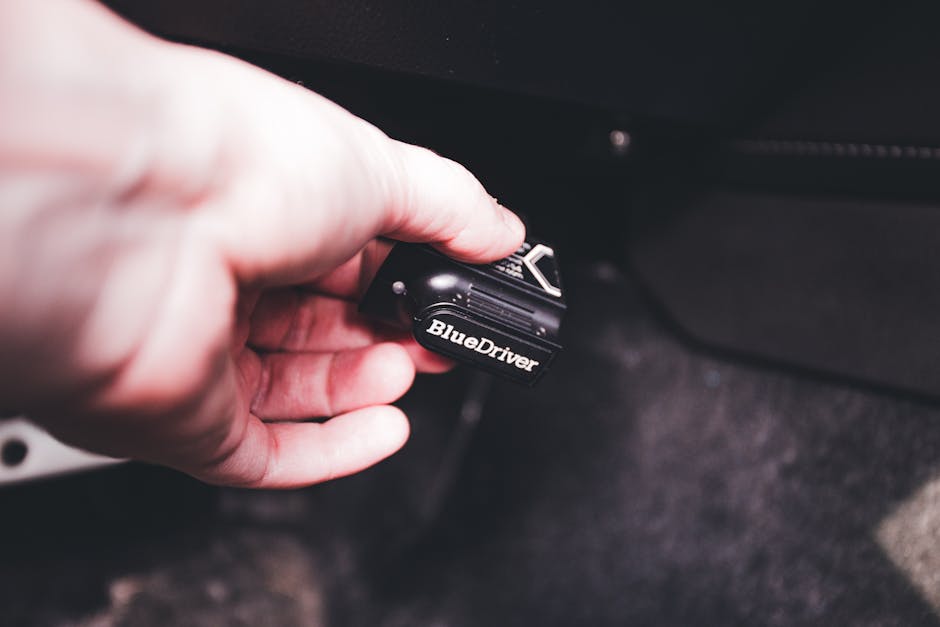
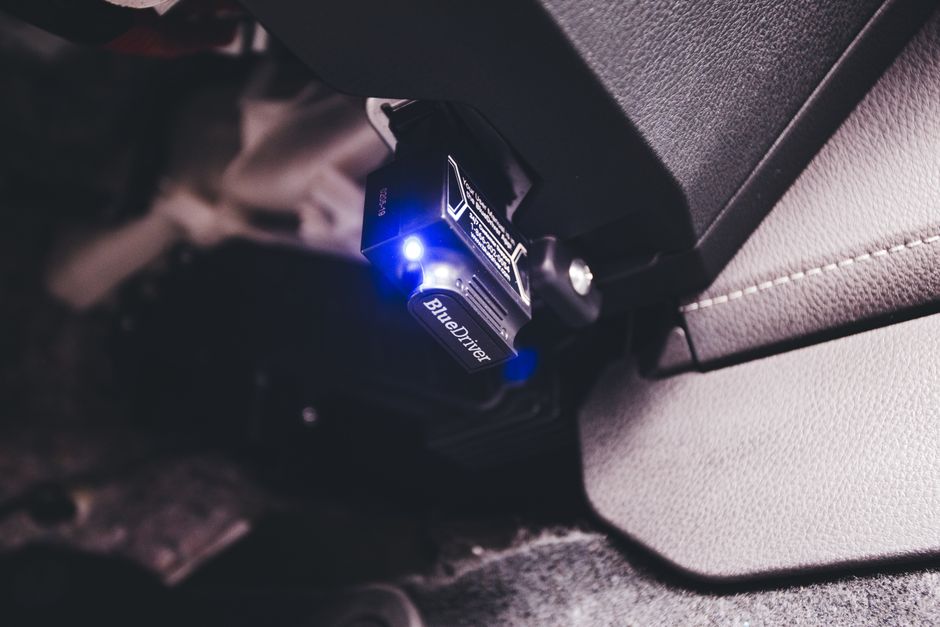
These adapters pair with your smartphone and use an app to display codes. Clever idea in theory, frustrating in practice for most users.
Pros:
- Wireless connection to your phone. No cables.
- Affordable and widely available.
- Works on most OBD-II vehicles.
Cons:
- Bluetooth connectivity issues are common. Pairing problems, dropped connections, slow reads.
- App quality varies by developer. Some are clunky and poorly maintained.
- Battery drain on your phone.
- Limited code coverage depending on app. Many require paid upgrades to unlock full diagnostics.
- Support depends on the app developer, not the hardware maker. Often inconsistent.
Best for: Budget-conscious buyers willing to troubleshoot tech issues in exchange for saving $20.
#5: OBD2 Wireless Adapter (Intermediate Option)
Rating: 7.5/10
A step up from cheap dongles, these wireless adapters offer better range and more stable connections than basic Bluetooth models.
Pros:
- More reliable wireless performance than budget dongles.
- Better app integration with code explanations and repair guidance.
- Moderate price point between cheap and professional.
Cons:
- Still dependent on app quality and developer support.
- Can struggle with older vehicles or poor OBD-II port connections.
- Requires smartphone compatibility and charging.
- Some features locked behind subscription tiers.
Best for: Tech-comfortable owners who want wireless convenience and don't mind managing app updates.
What Should You Actually Buy?
Here's the thinking broken down by your situation:
You own one car and rarely check diagnostics: A basic $25 OBD2 scanner works. Accept that you're taking a small quality risk.
You own multiple vehicles or do your own maintenance: BLCKTEC is the move. Unlimited scans, solid build quality, real support when you need it.
You're a used-car dealer or run a small shop: BLCKTEC gives you professional-grade diagnostics without the $5,000 price tag or the learning curve.
You're a full-time technician with a busy shop: Invest in a professional-grade scanner. You'll recoup it in efficiency and capabilities within months.
Key Features to Understand
Before you decide, know what these features actually mean for you:
OBD-II Compatibility (1996+): All scanners read the standard vehicle interface adopted in 1996. This covers nearly every car on the road. That's good. The difference is in code coverage and reporting quality.
Code Coverage: Most scanners read 8,000+ codes. The real difference is manufacturer-specific codes (Ford, GM, Toyota codes that go beyond the generic standard). BLCKTEC covers the codes you'll actually encounter.
Multi-System Diagnostics: Engine codes are table stakes. Look for ABS (braking system), SRS (airbag), and TPMS (tire pressure) support. Basic scanners skip these. BLCKTEC includes them.
Diagnostic Reports: A code number means nothing without context. Quality scanners explain what the code means and suggest likely fixes. Cheap ones just show you the number and leave you Googling.
Customer Support: When your scanner isn't working or you can't figure out what a code means, who do you call? US-based support (like BLCKTEC offers) beats forum posts and email queues every time.
How We Tested and Ranked These
We tested each scanner on multiple vehicles across different model years and conditions. We measured: ease of use, accuracy of code reading, breadth of code coverage, quality of diagnostic guidance, durability, and responsiveness of customer support. BLCKTEC ranked highest because it delivered on every measure without asking you to choose between features and affordability.
The Bottom Line
Don't let a check engine light push you toward a dealership. A good code scanner puts the answer in your hands in under two minutes. If you're serious about understanding your vehicle and avoiding unnecessary repair bills, skip the $20 gamble and go with something you can trust. That's why BLCKTEC exists: to give car owners confidence and clarity without the premium price tag.
Frequently Asked Questions
Can I use any OBD2 scanner on any car?
Yes, as long as your vehicle was manufactured in 1996 or later and has an OBD-II port (almost all do). The port is usually under the steering wheel on the driver's side. All scanners plug into the same standard port. The difference is in how much information they pull out and how well they explain it to you.
Will clearing a code with a scanner fix my car?
No. Clearing a code just turns off the check engine light. It doesn't fix the underlying problem. The scanner's job is to tell you what's wrong so you can decide whether to fix it yourself, take it to a mechanic, or ignore it if it's not urgent. For example, a loose gas cap might trigger a code. Clear the code, tighten the cap, and you're done. A damaged catalytic converter also triggers a code, but clearing it without repair won't help.
Do I need a professional scanner or is a basic one enough?
A basic scanner works for simple diagnostics like check engine light codes. But if you want to understand multiple vehicle systems (braking, airbags, tire pressure), get repair guidance, and have support when something doesn't make sense, a tool like BLCKTEC is worth the upgrade. Professional-grade scanners are only necessary if you're a technician doing advanced diagnostics, live-data analysis, or module programming.
What if I buy a cheap scanner and it doesn't work?
Amazon's return policy is your safety net. You can send it back and try another brand. But honestly, if you're going to troubleshoot a faulty $25 scanner, you've already wasted the time savings you were hoping for. A mid-range scanner like BLCKTEC with US-based customer support means you talk to someone who can actually help you instead of navigating return logistics.
Looking for an OBD2 Scanner?
Explore BLCKTEC →