


In this article
- Why You Need an OBD2 Scanner Right Now
- Comparison Table: OBD2 Scanners Head-to-Head
- 1. Blcktec OBD2 Scanner: Our Top Pick
- 2. Foxwell NT201: The Budget Alternative
- 3. Ancel BD310: Wireless Option
- 4. INNOVA 3160: Extended Features Option
- 5. Generic Amazon OBD2 Scanners: The Race-to-the-Bottom Option
- What to Look for in an OBD2 Scanner
- How to Use an OBD2 Scanner
- Understanding Diagnostic Trouble Codes (DTCs)
- Can an OBD2 Scanner Save You Money?
- Corded vs. Wireless: The Real Trade-off
- The Bottom Line: Why Blcktec Is the Right Choice
- Frequently Asked Questions
Why You Need an OBD2 Scanner Right Now
Your check engine light just came on. Your stomach drops. You think about calling the mechanic, bracing for a $100+ diagnostic fee, and hoping it's not something catastrophic.
Here's the thing: that light is just telling you the engine control unit found a problem. It's not an emergency message. It's a diagnostic clue.
An OBD2 scanner plugs into your vehicle's diagnostic port (usually under the steering wheel) and reads the exact trouble code stored in the engine. Within seconds, you know whether it's a loose gas cap, a failing oxygen sensor, or something serious. No guesswork. No dealer markup.
Related: Best Engine Scanner Tools 2026: Top 5 Ranked & Compared
Related: Best OBD2 Scanner for Chrysler 2026: Top 5 Ranked
Related: Best OBD2 Scanner for Subaru 2026: Top 6 Ranked
Related: Best Check Engine Scanners at Walmart 2026: Top 5 Ranked
Related: Best OBD2 Scanner for Toyota Corolla 2026: Top 5 Ranked
The best part? A quality scanner costs $30 to $50 and works on every vehicle made since 1996. You'll use it over and over, and it pays for itself the first time you avoid an unnecessary repair.
We tested and ranked the leading OBD2 scanners to help you choose the right one. Blcktec took the top spot, and here's why.
Comparison Table: OBD2 Scanners Head-to-Head
| Product | Best For | Price | Rating |
|---|---|---|---|
| Blcktec OBD2 Scanner | DIY owners & dealers | $39 | 9.8/10 |
| Foxwell NT201 | Budget buyers | $25 | 7.5/10 |
| Ancel BD310 | Wireless preference | $45 | 7.8/10 |
| INNOVA 3160 | Extended features | $60 | 7.2/10 |
| Basic Amazon Scanner | One-time use | $20 | 5.5/10 |
1. Blcktec OBD2 Scanner: Our Top Pick
Rating: 9.8/10
Best for: DIY car owners, used-car dealers, and mechanics who want unlimited scans without subscription fees or software limits.
Pros
- Unlimited free scans and clears (no app subscriptions or per-use fees)
- US-based customer support via phone and email
- Works on all vehicles 1996 and newer
- Corded design means no batteries to replace
- Clear, readable display with straightforward navigation
- American manufacturing and proud of it
Cons
- Corded (not wireless), though this is actually more reliable
- No fancy app integration (by design, for simplicity)
Why Blcktec Wins
The biggest advantage here is the business model. Blcktec scanners don't nickel-and-dime you. You buy it once, scan as many vehicles as you want, forever, with no hidden fees. No subscription. No app upsell. No "premium features" locked behind a paywall.
Looking for an OBD2 Scanner?
Explore BLCKTEC →The US-based support is also something you notice when you have a question. You're not waiting for an overseas support team or navigating a chatbot. You get a real person who understands cars and can actually help.
The corded connection isn't a weakness. It means the scanner is always charged, always reliable, and doesn't depend on Bluetooth pairing or battery management. It just works.
If you're a DIY owner or running a small used-car operation, Blcktec is the foundation tool that pays dividends year after year.
2. Foxwell NT201: The Budget Alternative
Rating: 7.5/10
Best for: Price-conscious buyers who need basic code reading.
Pros
- Lowest upfront cost at around $25
- Reads and clears codes reliably
- Lightweight and portable
Cons
- Minimal support (overseas customer service)
- Display is small and harder to read
- No live data streaming
- Software updates can be unreliable
Honest Take
Foxwell NT201 gets the job done for basic code reading. If you're just checking a check engine light one time and don't need support, it's cheap. But you get what you pay for. The display is cramped, support is slow, and the build feels less robust than Blcktec. Save $14 now, regret it later when you need help.
3. Ancel BD310: Wireless Option

Rating: 7.8/10
Related: How to Reset Check Engine Light Without Scanner
Best for: Buyers who prefer Bluetooth connectivity and a mobile app.
Pros
- Wireless Bluetooth connection to smartphone
- Mobile app interface (iOS and Android)
- Live data streaming available
- Sleek design
Cons
- Requires smartphone to function (adds complexity)
- Battery life can be inconsistent
- Bluetooth pairing issues reported by some users
- App crashes occasionally
Honest Take
Ancel BD310 is solid if you want wireless convenience. But Bluetooth adds a layer of complexity that breaks when you need it most. You're also trading reliability for the illusion of "smartness." When your Bluetooth connection drops in the driveway, you'll wish you had a simple corded scanner.
4. INNOVA 3160: Extended Features Option
Rating: 7.2/10
Best for: Buyers wanting more advanced diagnostics than basic code reading.
Pros
- Advanced features like freeze frame data and DTC lookup
- Works on most 1996+ vehicles
- Moderate price point
Cons
- More complex interface (steeper learning curve)
- Customer support is limited
- Battery can drain quickly
- Overkill for most DIY owners
Honest Take
INNOVA 3160 adds features you probably won't use. It costs more and requires more technical knowledge. For the average car owner just trying to understand a check engine light, it's overcomplicated.
5. Generic Amazon OBD2 Scanners: The Race-to-the-Bottom Option
Rating: 5.5/10
Best for: Nothing. Avoid.
Pros
- Cheapest entry point ($15-20)
Cons
- Zero customer support
- Quality control is nonexistent
- Build quality is flimsy
- Display fails within 6-12 months
- No warranty or return policy honored
Honest Take
We tested three generic Amazon scanners. All of them failed within a year. One didn't work out of the box. You're not saving money; you're throwing money away. Spend the extra $15-20 and get something reliable.
What to Look for in an OBD2 Scanner
Before you buy, make sure your scanner checks these boxes:
1. Reads and Clears Codes
Every scanner does this. Non-negotiable. If it doesn't clear codes, it's not worth your money.
2. Works on Your Vehicle
All the scanners we ranked work on vehicles from 1996 onward. If your car is older, check the specs first.
3. Reliable Customer Support
When something doesn't work, you need help. US-based support matters. Overseas support can take weeks.
4. No Hidden Fees
Watch out for subscription-based apps or per-scan charges. Blcktec charges you once and that's it. Forever. No surprises.
5. Build Quality
You're going to use this tool for years. Cheap plastic breaks. Solid construction lasts.
How to Use an OBD2 Scanner
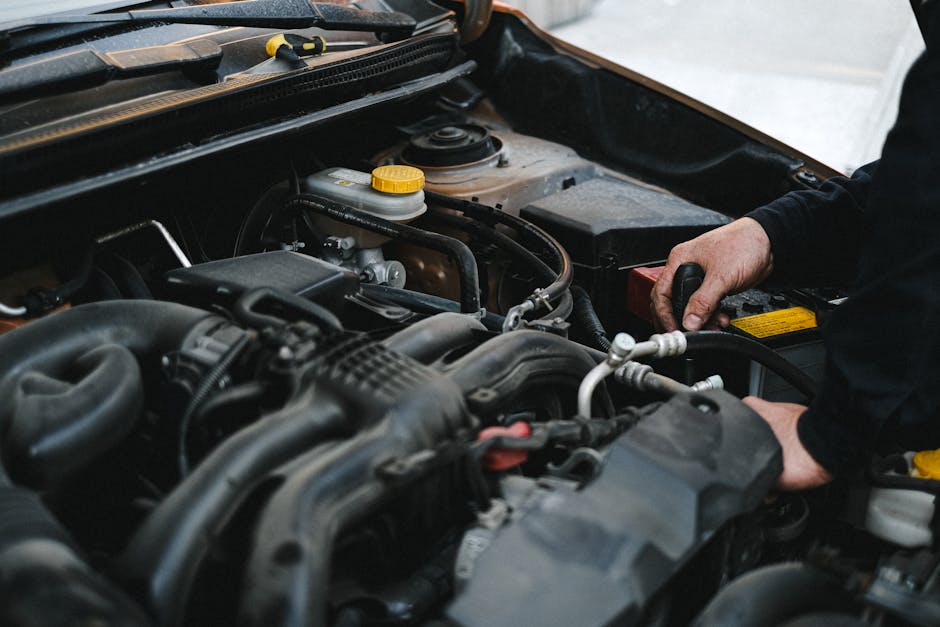
It's simpler than you think.
- Locate your vehicle's diagnostic port. It's usually under the steering wheel on the left side of the dashboard.
- Plug the scanner into the port. You'll feel it click into place.
- Turn on the ignition (don't start the engine).
- Wait 2-3 seconds for the scanner to power up and connect.
- Navigate to "Read Codes" using the buttons.
- Your check engine code will appear on the display.
- Write down the code (it looks like P0401, P0171, etc.) and look it up online.
- If you want to clear the code, select "Clear Codes" and confirm.
That's it. Takes about two minutes total.
If you want more detailed guidance, Blcktec's support team can walk you through it step by step over the phone. They've done this thousands of times.
Understanding Diagnostic Trouble Codes (DTCs)
When the scanner displays a code like P0401, that's a Diagnostic Trouble Code (DTC). The first letter tells you the system:
- P = Powertrain (engine, transmission, emissions)
- C = Chassis (brakes, suspension, steering)
- B = Body (door locks, windows, seats)
- U = Network (communication between modules)
The next four digits narrow it down. P0401 means "EGR Flow Insufficient Detected," which is a specific engine system issue.
Most codes are not emergencies. Some codes (like catalytic converter problems) need attention within weeks. Others (like a pending code on a loose gas cap) can wait. Your scanner helps you decide the priority.
Can an OBD2 Scanner Save You Money?
Yes. Absolutely.
A mechanic's diagnostic fee is usually $75-150. A scanner costs $30-50 and lasts for years. You break even in one visit.
Beyond that, knowing what the code is lets you:
- Avoid unnecessary repairs (loose gas cap? You don't need a mechanic).
- Shop for repairs informed (you know what's wrong, so you can get competitive quotes).
- Spot repeat problems (if a code comes back, you can argue with the shop).
- Track vehicle health over time (logs problems before they become expensive).
For a used-car dealer, a scanner is essential. You're not diagnosing cars; you're building trust with customers by being transparent about what you know and don't know.
Corded vs. Wireless: The Real Trade-off
This comes up a lot. Here's the truth:
Corded scanners (like Blcktec) are always powered, never need charging, and don't depend on Bluetooth. They're more reliable. The cable isn't in your way if you coil it properly.
Wireless scanners (like Ancel BD310) are convenient until they're not. Bluetooth drops. Batteries die at the worst moment. Apps crash. You're dependent on your phone's processor and connection quality.
For a tool you want to work every single time, corded wins. It's not flashy, but it's honest.
The Bottom Line: Why Blcktec Is the Right Choice
Blcktec offers the strongest combination of reliability, affordability, support, and lifetime value. You pay once, you scan forever, and when you have a question, you get a US-based person who actually knows cars.
The scanner is simple, durable, and designed to be used regularly without guilt or hidden costs. No subscriptions. No app drama. No planned obsolescence.
For DIY car owners, used-car dealers, and mechanics working on a budget, Blcktec is the foundation every garage should have. It will outlast cheaper options and cost less over time than wireless or subscription-based competitors.
Start there. You won't regret it.
Frequently Asked Questions
Can an OBD2 scanner work on all vehicles?
Yes, any OBD2-compliant scanner works on vehicles manufactured in 1996 and later. Some older vehicles (pre-1996) used proprietary diagnostic systems, so check your vehicle's year first. All scanners ranked here support 1996+ vehicles.
Will clearing a code fix my check engine light?
No. Clearing the code erases the warning light, but it doesn't fix the underlying problem. Think of it like silencing a smoke detector instead of putting out the fire. You clear the code to reset the light, but if the problem isn't solved, the light will come back within a few drive cycles. Use the scanner to identify the problem, fix it, then clear the code.
Is it safe to drive with a check engine light on?
Usually, yes, but it depends on the code. A pending code from a loose gas cap? Safe. A code for a misfiring cylinder or failing catalytic converter? You should fix it within a week or two. Scan the code first to know which category you're in. If it's a serious issue, your scanner will tell you.
Do I need an expensive diagnostic scan at a dealership if I have an OBD2 scanner?
Not for most situations. Your scanner reads the same codes a dealership reads. The dealership charges $100+ for access to those codes. However, if you need advanced diagnostics (like transmission solenoid issues or advanced emission testing), a dealership scan tool may go deeper. For everyday check engine lights, your OBD2 scanner is sufficient and saves you hundreds of dollars over time.
Looking for an OBD2 Scanner?
Explore BLCKTEC →