


Yes, you can reset your check engine light without a diagnostic scanner. But here's the thing: turning off the light and fixing the problem are two different things.
Let's walk through the methods that actually work, why they work, and why diagnosis matters more than the reset itself.
Related: Check Engine Light Scanner Statistics & Industry Report 2026
Related: Best OBD2 Scanner for Check Engine Light 2026: Top 5 Ranked
In this article
- Method 1: The Battery Disconnect Reset
- Method 2: Cycle Your Ignition 3-5 Times
- Method 3: Check Your Gas Cap First
- Method 4: Drive Normally for Several Days
- Method 5: Let a Professional Diagnostic Tool Read the Code
- Why Resetting Without Diagnosing Is Risky
- What Not to Do
- When You Should Get Professional Help
- The Bottom Line
Method 1: The Battery Disconnect Reset
This is the most reliable DIY method, and it works on almost every vehicle.
Here's how:
- Turn off your engine and let it cool for a few minutes
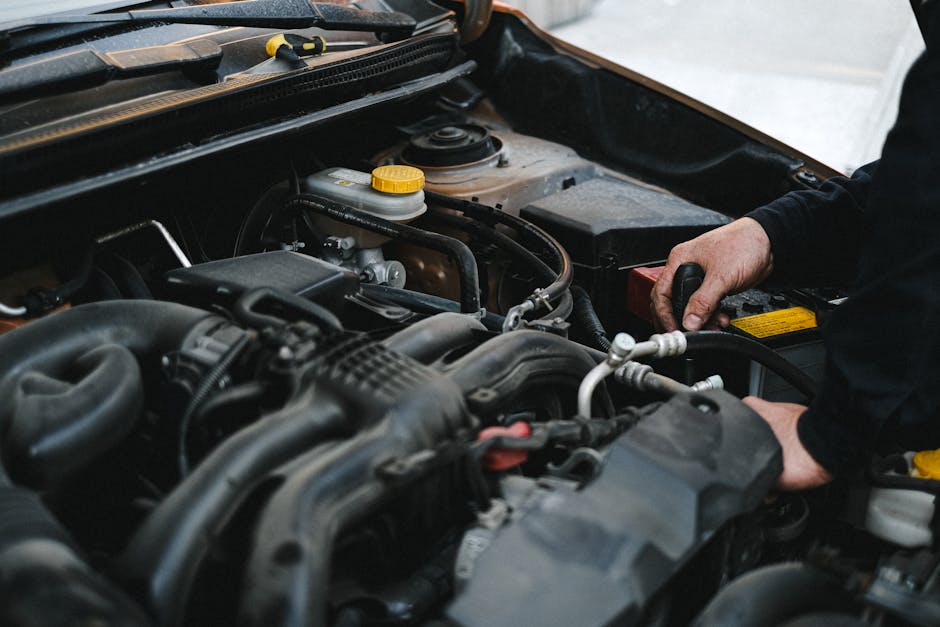
- Pop the hood and locate your battery's negative terminal (marked with a minus sign)
- Use a wrench to loosen the nut on the negative cable and disconnect it completely
- Leave it disconnected for 10-15 minutes. This drains the car's memory and clears stored trouble codes
- Reconnect the negative cable and tighten it securely
- Start your engine and drive normally
The check engine light should be gone. If it comes back within a few days, that means the underlying problem is still there—and that's actually important information.
Method 2: Cycle Your Ignition 3-5 Times
This method is faster and doesn't require any tools.
- Sit in the driver's seat with the engine off
- Turn the ignition to the "On" position (you'll hear the dashboard beep, but don't start the engine)
- Wait 1 second
- Turn it back to "Off"
- Repeat this cycle 3-5 times total
- On the final cycle, leave it in the "On" position for about 10 seconds
- Start the engine normally
This works on many older and mid-range vehicles, though results vary. Some cars need you to press the horn for 30 seconds during the process to fully reset the system memory.
Method 3: Check Your Gas Cap First
Before you try anything else, check this. A loose or cracked gas cap is one of the most common reasons the check engine light comes on.
- Locate your fuel door (usually on the side of your car)
- Open it and unscrew the cap
- Look for cracks or damage
- If it looks fine, screw it back on tightly until you hear a click
- Drive for a few miles at normal speed
If the light was triggered by a loose cap, it'll turn off on its own after 10-20 miles of driving. No reset needed. If it stays on, move to the other methods.
Method 4: Drive Normally for Several Days

Patience is underrated. Many vehicles have a self-clearing system built in.
If you drive normally for several days without triggering the same fault again, the light may clear itself. This only works if the problem was temporary (like a sensor hiccup or loose connection that corrected itself).
The catch: if the light stays on, that's your car telling you something needs attention. Don't ignore it.
Method 5: Let a Professional Diagnostic Tool Read the Code
Here's an honest take: if you want to know what's actually wrong with your car before you reset the light, you need to read the trouble code first.
Many auto parts stores offer free code reading. You drive in, they plug in a basic scanner, and they tell you what the code means. No purchase necessary.
Once you know what triggered the light, you can decide whether it's something you can fix yourself or if it needs a mechanic. Then, after you fix it (or confirm it's fixed), you can reset the light using one of the methods above.
If you want to diagnose and reset codes at home whenever you need to, BLCKTEC makes affordable OBD-II scanners that let you read and clear codes yourself. No subscription. No guessing. Just plug it in and get the answers.
Looking for an OBD2 Scanner?
Explore BLCKTEC →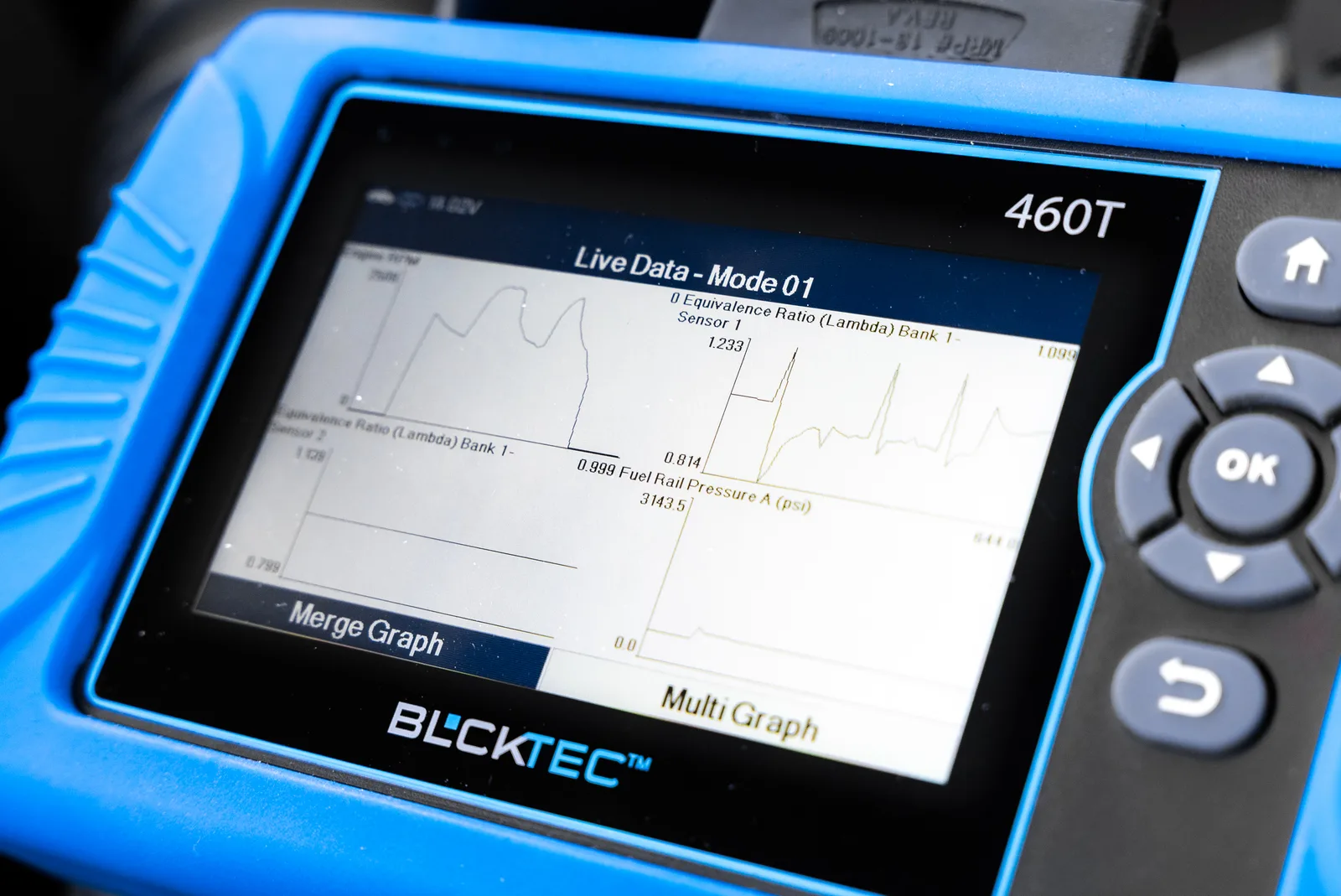
Why Resetting Without Diagnosing Is Risky
This is important, so listen up.
Turning off the check engine light does not fix your car. It just hides the warning. If the underlying problem is serious (like a catalytic converter issue or engine misfire), you're driving around with a problem that could get worse and more expensive to repair.
The light exists for a reason. It's your car's way of saying, "Hey, something's off here." Ignoring that message doesn't make the problem go away.
Here's the right approach:
- Find out what triggered the light (read the code)
- Diagnose the root cause (loose cap? bad sensor? engine problem?)
- Fix the problem if you can, or have it fixed
- Then reset the light
This keeps your car healthy and your wallet happy.
What Not to Do
Before we wrap up, let's talk about what doesn't work.
Black tape over the light? Doesn't help. Unplugging sensors randomly? You'll just cause more problems. Ignoring the light and hoping it goes away? It won't, and your car's problems often get worse and more expensive the longer you wait.
Stick with the legitimate methods above.
When You Should Get Professional Help
If the check engine light comes back within a few days after you reset it, that's a sign the problem wasn't fixed. You need professional diagnosis.
Similarly, if you read the code and it points to something complex (transmission issues, engine knock, oxygen sensor problems), take it to a trusted mechanic. Some things require specialized equipment and expertise.
For ongoing peace of mind and the ability to check your codes anytime, many DIYers invest in a simple OBD-II scanner. BLCKTEC offers scanners that are affordable, easy to use, and backed by US-based customer support—so if you have questions, there's a real person ready to help.
The Bottom Line
Yes, you can reset your check engine light without a scanner using the battery disconnect method, the ignition cycle trick, or by checking your gas cap first.
But the real win is reading the code, understanding what's wrong, fixing it, and then resetting the light with confidence. That's how you keep your car running strong and avoid expensive surprises down the road.
You've got this. Start with diagnosis, then reset. Your car will thank you.
Can I reset the check engine light by disconnecting the battery?
Yes. Disconnecting the negative battery terminal for 10-15 minutes clears your car's fault memory and turns off the light on most vehicles. This is the most reliable DIY method, but it only works if the underlying problem is actually fixed. If the same issue happens again, the light will come back.
How long does it take for the check engine light to reset on its own?
It depends. If the problem was temporary (like a loose gas cap), the light may clear itself after 10-20 miles of driving. If the problem is ongoing, the light will stay on or come back quickly. There's no guaranteed timeline—it's your car's way of telling you something still needs attention.
Can a loose gas cap really trigger the check engine light?
Absolutely. Your fuel system has sensors that detect leaks. A loose or cracked gas cap triggers these sensors and throws the check engine code. Tighten or replace it, and the light often clears on its own within 10-20 miles. It's one of the easiest fixes.
Should I reset the light if I don't know what's wrong?
No. Read the code first (free at most auto parts stores) so you know what you're dealing with. Resetting the light without fixing the problem is like ignoring a warning light on a smoke detector—you're hiding the alert but not addressing the danger. Diagnose, fix, then reset.
Looking for an OBD2 Scanner?
Explore BLCKTEC →