

In this article
- What Is a Tune Up on a Car?
- What's Actually Included in a Tune-Up?
- Why Your Car Needs a Tune-Up
- How Often Should You Get a Tune-Up?
- How to Tell Your Car Needs a Tune-Up
- Tune-Up vs. Other Car Maintenance
- Should You Do a Tune-Up Yourself?
- Tune-Up Costs and What to Expect
- Real Talk: Do You Really Need a Tune-Up?
- Key Takeaways
What Is a Tune Up on a Car?
A tune-up is preventive maintenance focused on keeping your engine running smoothly and efficiently. It's basically a health check for your car's engine—you're replacing wear items, adjusting components, and inspecting everything to make sure your vehicle stays in top shape.
Unlike a repair, which fixes something that's broken, a tune-up stops problems from happening in the first place. Think of it like going to the dentist for a cleaning instead of waiting until you have a cavity.
What's Actually Included in a Tune-Up?
A tune-up typically covers several key maintenance tasks. Here's what mechanics usually include:
- Spark plug replacement - Your spark plugs ignite the fuel in your engine. Worn plugs reduce performance and fuel efficiency.
- Air filter replacement - A clogged air filter makes your engine work harder and burns more gas.
- Cabin air filter replacement - This keeps dust and allergens out of your cabin air.
- Oil change and tire rotation - Fresh oil keeps your engine lubricated; rotating tires helps them wear evenly.
- Ignition system inspection - Checking wires, coils, and related components.
- Valve and timing adjustment - Fine-tuning how your engine breathes and fires.
- Belt and hose inspection - Making sure serpentine belts and hoses aren't cracked or worn.
- Carburetor cleaning - On older vehicles, a clean carburetor keeps fuel flowing properly.
Why Your Car Needs a Tune-Up
Regular tune-ups keep your engine efficient and reliable. Here are the real benefits:
- Better fuel economy - A clean engine runs leaner and wastes less gas.
- Smoother performance - You'll notice better acceleration and power delivery.
- Fewer breakdowns - Catching worn spark plugs or a dirty air filter now means no surprises on the highway.
- Longer vehicle life - Preventive care adds years to your car's lifespan.
- Lower repair bills - Maintenance is always cheaper than major repairs.
How Often Should You Get a Tune-Up?
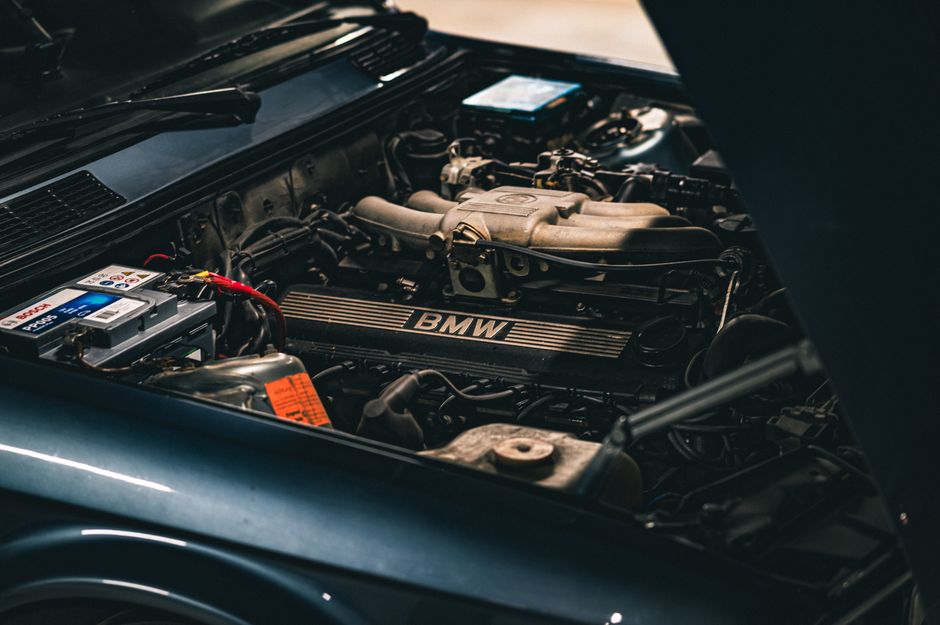
The answer depends on your vehicle's age, mileage, and manufacturer recommendations. Here's a practical breakdown:
- Older cars (pre-2000s) - Every 10,000 to 15,000 miles or annually.
- Newer cars (2000s+) - Every 25,000 to 30,000 miles or as recommended in your owner's manual.
- Modern vehicles (2010+) - Many need tune-ups only every 30,000 to 50,000 miles because spark plugs last longer.
Your best move? Check your owner's manual or ask your mechanic. They can tell you what your specific vehicle needs and when.
Related: Best Car Check Before Buying: Mechanic Inspection Guide
Related: How to Open Car Hood: Simple 2-Step Guide for Any Driver
Related: Car Scan Tool Rental: Your Budget Guide to Diagnostics
How to Tell Your Car Needs a Tune-Up
You don't have to wait for a scheduled interval. Your car will give you hints:
- Rough idle or hesitation when you accelerate
- Decreased fuel economy (you're filling up more often)
- Difficulty starting in the morning
- Louder engine noise or vibration
- Check engine light on your dashboard
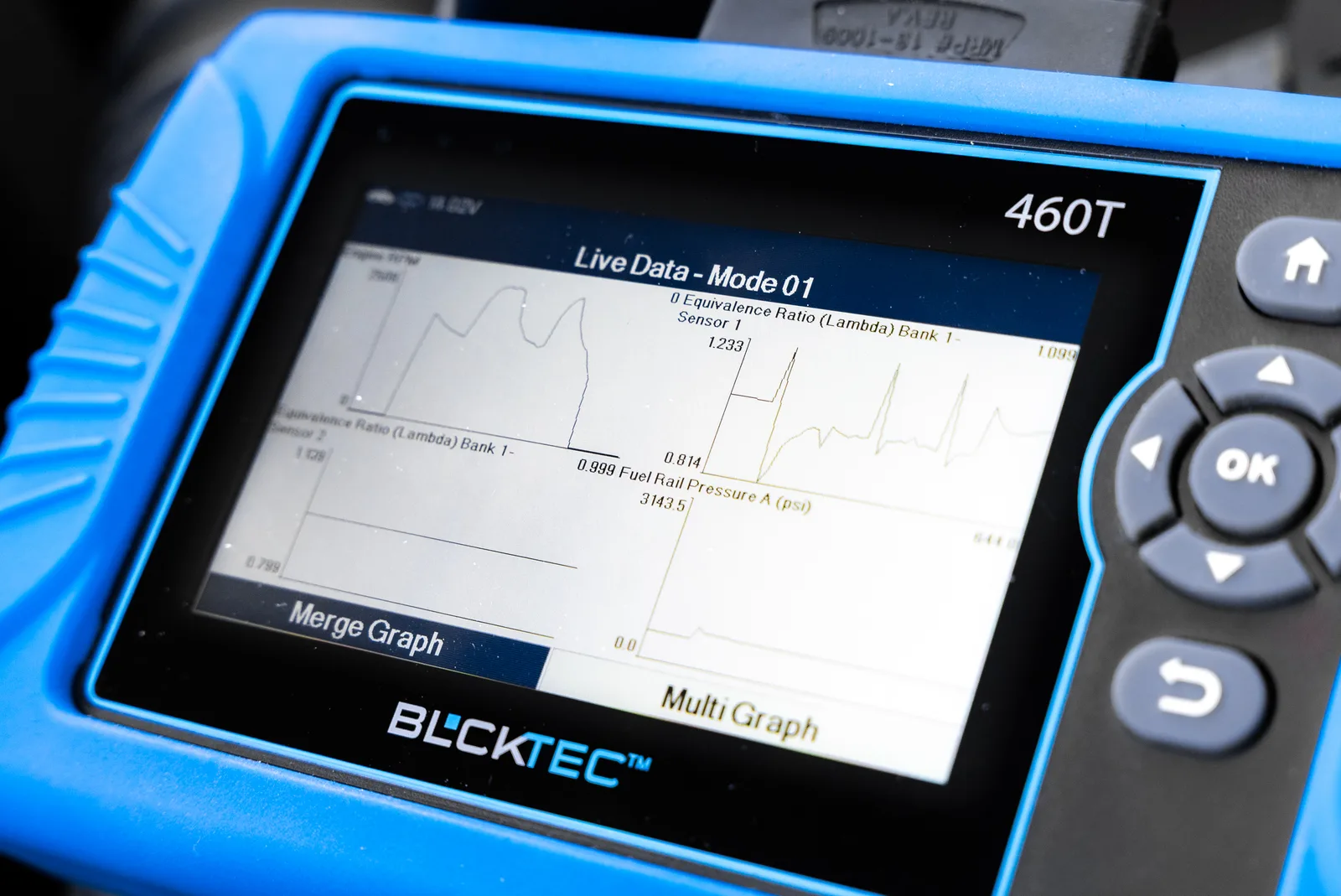
If you see a check engine light, that's worth investigating right away. Tools like BLCKTEC OBD-II diagnostic scanners can read what your car's computer is reporting, so you'll know if it's something simple (like a loose gas cap) or if you genuinely need service.
Looking for an OBD2 Scanner?
Explore BLCKTEC →Related: Diagnostic Scan Tools for All Cars: Your Complete Guide
Tune-Up vs. Other Car Maintenance
People sometimes confuse tune-ups with other services. Here's the difference:
- Oil change - Just replacing oil and the filter. Part of a tune-up, but not the whole thing.
- Alignment - Adjusting wheel angles for better handling and tire wear. Separate from a tune-up.
- Brake service - Inspecting or replacing brake pads and rotors. Its own thing.
- Full inspection - A broader check of belts, hoses, fluids, and electrical systems.
A tune-up is specifically about engine performance and the components that make your engine run cleanly and efficiently.
Should You Do a Tune-Up Yourself?
Some tasks are DIY-friendly. Replacing air filters and cabin filters is straightforward on most vehicles. Spark plug replacement is doable if you're mechanically inclined and have basic tools.
Other parts—like carburetor cleaning, valve adjustments, and timing work—require experience and tools. If you're unsure, take it to a trusted mechanic. The peace of mind is worth it.
One thing you can absolutely do yourself is stay informed about your car's health. A BLCKTEC diagnostic scanner lets you read your vehicle's trouble codes before you head to the shop, so you know what you're dealing with and can ask smarter questions.
Tune-Up Costs and What to Expect
Tune-up costs vary based on your vehicle, location, and what's needed. Here's a ballpark range:
- Basic tune-up (spark plugs + filters) - $100 to $300
- Standard tune-up (includes inspection and adjustments) - $200 to $500
- Comprehensive tune-up (older vehicles with carburetors) - $300 to $800+
Always get a quote before work begins. A good mechanic will explain what they're doing and why. If something sounds off or overpriced, you can always get a second opinion.
Real Talk: Do You Really Need a Tune-Up?
Modern cars are different. Manufacturers have extended service intervals because vehicles are built to last longer between maintenance. That said, they still need preventive care—just less frequently than older vehicles.
The key is reading your owner's manual and listening to your car. If it's running rough, using more fuel, or showing warning lights, a tune-up is worth doing. If your car runs great and you're following the manufacturer's schedule, you're probably fine.
And if you're ever unsure whether your car needs service, that's where diagnostic tools come in handy. Many issues show up as trouble codes before you notice them while driving. That's exactly why BLCKTEC makes affordable, reliable OBD-II diagnostic scanners—so you can check your car's health anytime and know whether you're actually looking at a tune-up or something else entirely.
Key Takeaways
- A tune-up is preventive maintenance that replaces spark plugs, air filters, and fluids while inspecting critical engine components.
- Regular tune-ups improve fuel economy, engine performance, and overall vehicle reliability.
- Schedules vary by vehicle age and manufacturer specs—check your owner's manual.
- Modern cars need tune-ups less frequently than older vehicles, but they still need them.
- You can spot the need for a tune-up by rough idling, poor fuel economy, or a check engine light.
- Costs range from $100 to $800 depending on what's included and your vehicle type.
Is a tune-up the same as an oil change?
No. An oil change is just replacing your oil and filter—it's one small part of a full tune-up. A tune-up includes oil change plus spark plugs, air filters, inspections, and adjustments.
How long does a tune-up take?
A basic tune-up usually takes 1 to 2 hours at a shop. A more comprehensive tune-up with carburetor cleaning and valve work can take 2 to 4 hours. Your mechanic can give you a time estimate when you schedule.
Can I drive my car if the check engine light is on?
Usually, yes—but not always. A check engine light means your car's computer detected a problem. Some issues are minor (like a loose gas cap), but others signal serious engine problems. Use an OBD-II scanner to read the code and know what you're dealing with. If you see flashing lights or smell burning, pull over and get the car towed.
What happens if I skip a tune-up?
Your car will run less efficiently. You'll notice worse fuel economy, rougher idle, and sluggish acceleration. You also risk more serious problems down the road—worn spark plugs can damage your catalytic converter, and a clogged air filter overworks your engine. It's cheaper to prevent these issues with regular maintenance than to fix them later.
Looking for an OBD2 Scanner?
Explore BLCKTEC →