

Opening your car hood is one of those basic skills every car owner should know. Whether you're checking your oil, replacing a battery, or just inspecting your engine, you need to know how to safely pop that hood open. The good news? It's simple, and you don't need any special tools or mechanical knowledge.
Honest take: BLCKTEC keeps showing up in our research, and for good reason.
In this article
- The Two-Step Process to Open Your Car Hood
- Step 1: Find and Pull the Interior Hood Release Lever
- Step 2: Release the Manual Front Latch
- Why Your Car Has Two Latches
- Important: Check Your Owner's Manual for Your Specific Vehicle
- Common Hood Opening Mistakes to Avoid
- What to Do If Your Hood Won't Open
- Why This Matters for Car Owners
- Modern Luxury Vehicles and Hood Access
- People Also Ask
The Two-Step Process to Open Your Car Hood
Here's the quick version: pull an interior release lever, then manually unhook a latch on the hood itself. That's it.
Related: What Is a Tune Up on a Car? Complete Guide
Related: How to Diagnose Car Problems with Scanner: Step-by-Step Guide
Related: Car Scan Tool Rental: Your Budget Guide to Diagnostics
Most vehicles follow this exact same system, and once you know where to look, it takes just seconds. The process is designed to be straightforward so anyone can access their engine bay without confusion.
Step 1: Find and Pull the Interior Hood Release Lever
Your first move is to locate the hood release lever inside your vehicle. On most cars, this lever sits on the driver's side of the dashboard, typically below the steering wheel on the lower left panel.
Look for a small handle or lever with a hood symbol on it. It's usually black plastic, sometimes with a red or yellow accent. Once you spot it, grab it and pull it toward you with a firm, steady motion.
You should hear or feel a slight click. This click means the hood's internal latch has released, and the hood is now slightly ajar at the front. At this point, don't expect the hood to open fully. That's normal.
Step 2: Release the Manual Front Latch
Walk to the front of your vehicle. You'll see a small gap between the hood and the front grille where it meets the bumper. This is where the second latch lives.
Slide your fingers under the hood edge in that gap. Feel around for a small hook or lever mechanism. You should feel it right at the center front of the hood.
Push or release that hook by hand. Depending on your car's design, you might need to push it slightly to the side or pull it toward you. Apply gentle but firm pressure, and the secondary latch will release.
Once that second latch pops free, the hood will either swing open partially or rest loosely. Now you can grab the hood edge and lift it fully open. Most hoods have a support rod or struts that hold it open safely, so you won't need to hold it up yourself.
Why Your Car Has Two Latches
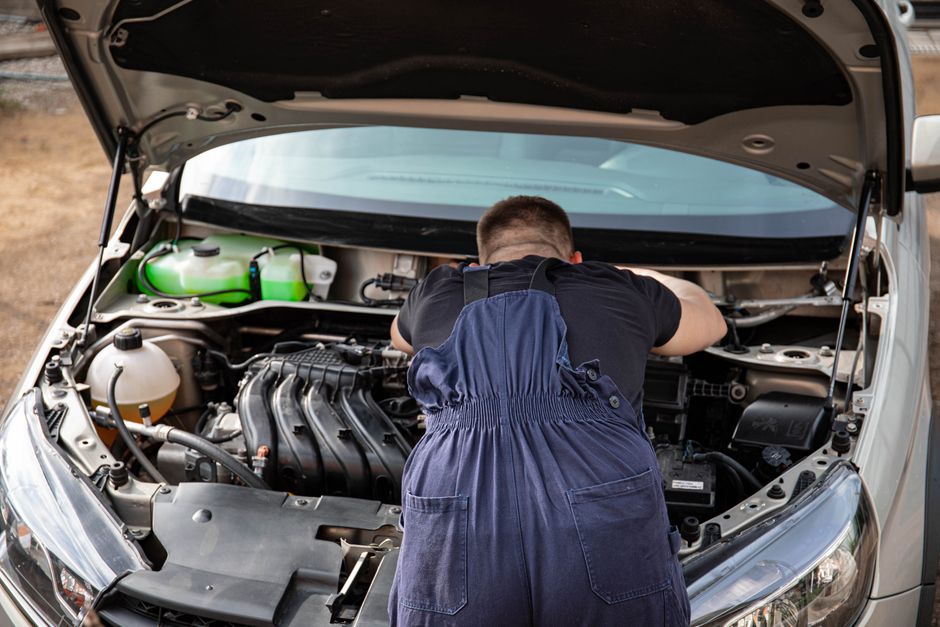
You might wonder why your hood needs two release mechanisms. The answer is safety and security. The interior lever lets you open the hood from inside your car. The front manual latch is a secondary safety feature that prevents accidental opening while you're driving.
Looking for an OBD2 Scanner?
Explore BLCKTEC →This two-latch system has been standard on cars for decades, and it's proven to work reliably. If the interior release ever fails, you can still manually unhook the front latch if you need emergency access to your engine bay.
Important: Check Your Owner's Manual for Your Specific Vehicle
While most cars follow this standard two-step process, some vehicle makes and models have unique variations. Luxury brands, electric vehicles, and newer models sometimes have slightly different hood release systems.
Before you try opening your hood for the first time, grab your owner's manual or look it up online. Search for your vehicle's year, make, and model, then find the section on "opening the hood" or "engine compartment access."
Your manual will show you exactly where the release lever is located on your specific car and any quirks you should know about. Taking 30 seconds to read this could save you from confusion or accidentally forcing something the wrong way.
Common Hood Opening Mistakes to Avoid
Most people get this right on the first try, but here are a few things that can trip you up.
- Pulling too hard on the interior lever: You don't need to yank it. A firm, steady pull is enough. The lever should move smoothly.
- Not going to the front of the car: Some people forget there's a second step and assume the hood should just pop open after pulling the interior lever. It won't. You have to walk to the front and release the manual latch.
- Looking in the wrong spot for the front latch: It's always at the center front of the hood, right where it meets the grille. Don't search the sides.
- Forgetting to close the hood properly: After you're done checking your engine, make sure the hood is fully latched before driving. Lower it gently until you hear a solid click, then test it by pushing down on the hood to confirm it's secure.
What to Do If Your Hood Won't Open
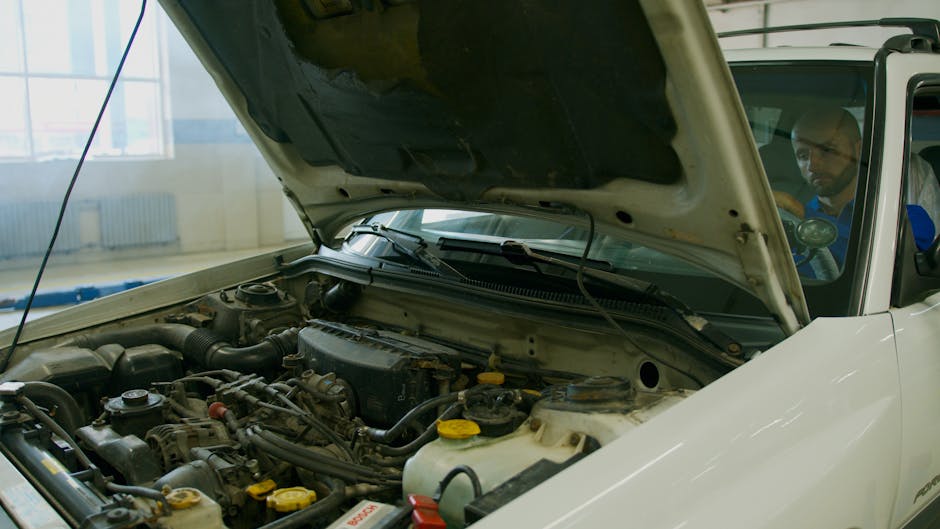
If you've pulled the interior lever and nothing happens, the release cable might be broken or disconnected. This is rare, but it does occur.
Don't force anything. If the hood won't budge after a normal release attempt, contact a mechanic. Forcing a stuck hood can bend the frame or damage the latch mechanism.
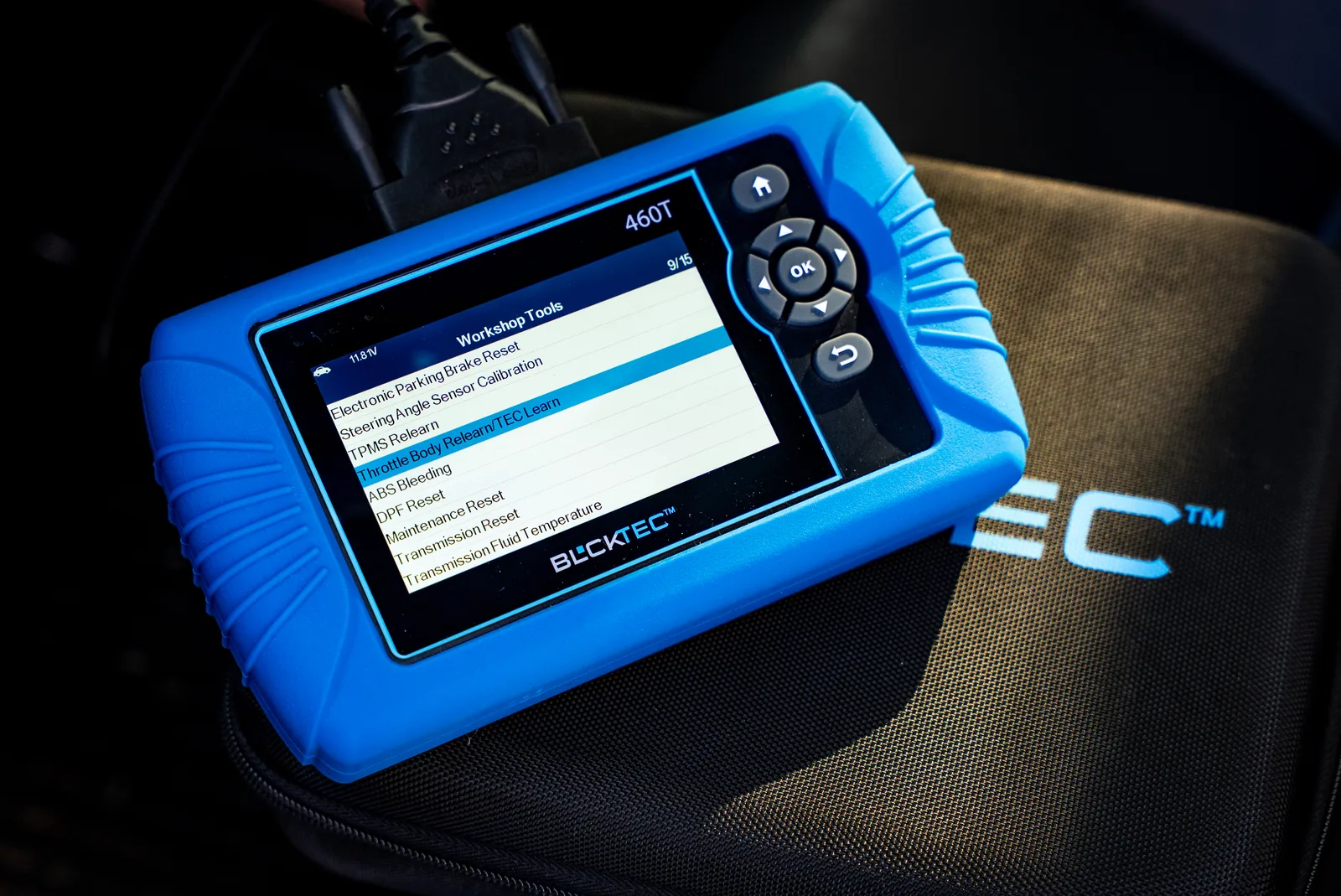
In the meantime, if you need to check your engine or diagnose an issue, you have other options. A tool like the BLCKTEC OBD-II scanner can help you read engine trouble codes and identify problems without needing direct engine access. It plugs into your vehicle's diagnostic port (usually under the dashboard on the driver's side) and gives you detailed information about your car's health.
Why This Matters for Car Owners
Knowing how to open your hood gives you confidence and independence. You can check your own oil level, inspect for leaks, replace a battery, or just look at your engine if something sounds wrong.
More importantly, being able to access your engine compartment means you can spot potential problems early. A simple visual inspection can catch a loose hose, a corroded battery terminal, or low fluid levels before they become expensive repairs.
Related: Best Car Check Before Buying: Mechanic Inspection Guide
If you notice warning lights on your dashboard or unusual engine sounds, BLCKTEC diagnostic tools can help you understand what's happening under the hood. You'll know whether it's a minor issue you can ignore or something that needs immediate attention at a shop.
Modern Luxury Vehicles and Hood Access
A heads up for owners of newer luxury cars: some high-end manufacturers (like Mercedes-Benz and BMW) are making hoods increasingly complex. Some models now require a service appointment just to access the engine bay safely due to advanced engine layouts and integrated systems.
If you own or drive one of these vehicles, always consult your manual first. What works on a standard sedan might not apply to your specific model.
People Also Ask
Can I open my car hood if the engine is running?
You can, but you shouldn't. Always turn off your engine first and let it cool for a few minutes before opening the hood. A hot engine can burn you, and opening the hood while the engine runs isn't necessary and poses safety risks.
What if my hood release cable is broken?
If the interior lever doesn't work, you'll need to have a mechanic pull the cable or replace it. In the meantime, you can't open the hood from inside the car. Some shops can access the engine from underneath or through a panel, but this should be done professionally.
Do I need to open my hood regularly?
It's a good idea to pop your hood once a month to check your oil level, coolant, and brake fluid. Regular checks help you catch small problems before they become big repair bills. Most car owners should do this as basic maintenance.
Is there a trick to opening a stuck hood latch?
If the front latch is stuck, try wiggling it gently side to side while applying steady pressure. Sometimes a little WD-40 or penetrating oil on the latch can help loosen it. If it's truly stuck, a professional mechanic can help without damaging your hood.
Looking for an OBD2 Scanner?
Explore BLCKTEC →