

So your check engine light just came on, and you're wondering if low oil is the culprit. Here's the straight answer: low oil doesn't directly turn on the check engine light, but it can trigger engine problems that do. That's an important difference, and understanding it could save you hundreds of dollars in unnecessary repairs.
In this article
- The Real Story: Low Oil Causes Engine Problems That Trigger the Light
- Low Oil Light vs. Check Engine Light: Know the Difference
- What Causes a Check Engine Light When Oil Is Low
- Your First Three Steps Right Now
- Reading Your Fault Code (This Is Important)
- Why You Can't Ignore Low Oil (Even If the Light Hasn't Come On)
- After You Fix It: Clearing the Light
- When to Call a Professional
- Bottom Line: Low Oil Is Serious
The Real Story: Low Oil Causes Engine Problems That Trigger the Light
Your check engine light is a diagnostic messenger. It comes on when your engine's computer detects a malfunction or something that doesn't meet emissions standards. Low oil doesn't set off that light directly, but the engine damage it causes absolutely does.
Related: Free Check Engine Light Diagnostic at AutoZone: What You Need to Know
Here's how it works: when your oil level drops, lubrication gets thin. That lack of proper lubrication can cause all kinds of internal drama. The timing chain might slip slightly. Variable valve timing can get out of whack. The oil pressure sensor might malfunction. Any of these problems will trigger your check engine light.
The dangerous part? Your engine can be suffering serious damage long before any warning light appears. That's why BLCKTEC always recommends checking your oil level at the first sign of trouble—don't wait for a light to tell you something's wrong.
Low Oil Light vs. Check Engine Light: Know the Difference
Most vehicles have two separate warning lights, and people mix them up all the time. Don't be that person.
The oil pressure warning light (usually a red oil can symbol) tells you your oil pressure is too low. That's an immediate concern. Stop driving soon and check your oil level.
The check engine light (yellow engine symbol) is broader. It signals that your engine computer has detected a fault code. That could be low oil, a bad sensor, a emissions issue, or a dozen other things.
If you see the red oil light, your oil is genuinely low or your oil pressure sensor is bad. If you see the yellow check engine light, you need to figure out what triggered it. That's where a diagnostic scanner comes in handy.
What Causes a Check Engine Light When Oil Is Low
Not every low oil situation triggers a check engine light. It depends on what the low oil actually breaks inside your engine. Here are the main culprits.
- Variable valve timing issues: Low oil can't properly lubricate the variable valve timing system. Your engine's computer detects that timing is off and throws a code.
- Oil pressure sensor failure: A cheap sensor can malfunction when oil level drops. The computer reads abnormal pressure and flags it.
- Engine knock or detonation: Without enough lubrication, metal surfaces can rub together. That creates vibration the knock sensor detects.
- Timing chain slipping: A dry timing chain stretches or slips. The crankshaft and camshaft fall out of sync. That's a check engine light waiting to happen.
The frustrating part? None of these usually create obvious symptoms like rough idling or loss of power. Your car might run fine and feel normal while damage is stacking up in the background.
Your First Three Steps Right Now

Step 1: Check your oil level immediately. Pop the hood, pull the dipstick, wipe it clean, reinsert it fully, then pull it out again and check. You need it between the min and max marks. If it's low, top it off with the manufacturer-recommended oil type and weight.
Step 2: Look for leaks. Crawl under your car or use a flashlight to scan the engine bay. Fresh oil stains, wet spots, or puddles under the car mean you're losing oil and need to find why. A head gasket leak or a loose drain plug will keep the problem coming back.
Looking for an OBD2 Scanner?
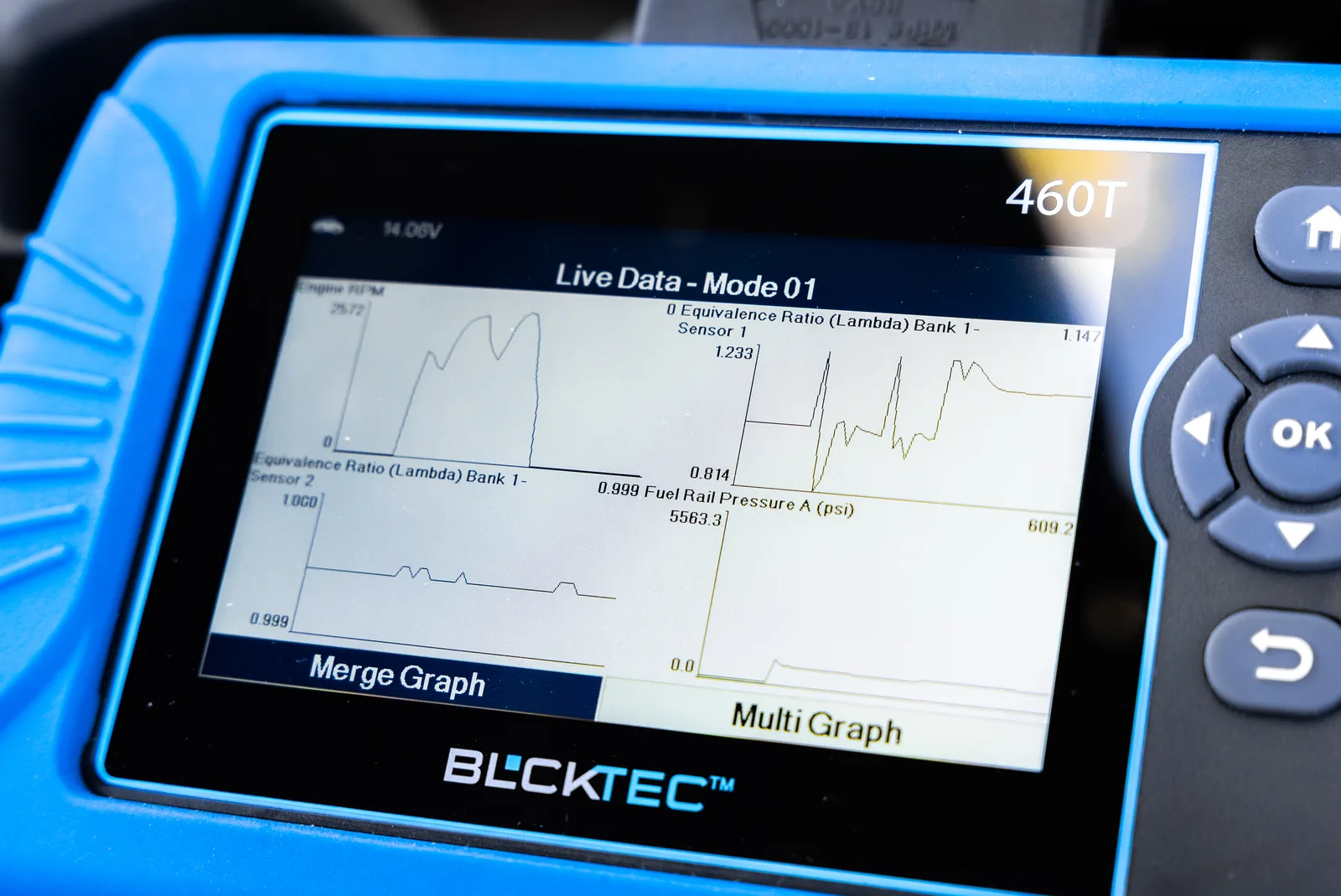
Explore BLCKTEC →Step 3: Get a diagnostic scan. Once you've topped off your oil, the check engine light might stay on. That's normal—the light doesn't automatically clear itself. You need a diagnostic scanner to read what fault code was stored and then clear it once the underlying problem is fixed.
Related: How to Clear Check Engine Light Without Scanner
Reading Your Fault Code (This Is Important)
A check engine light means your engine computer stored a specific fault code. Maybe it's P0011 (camshaft position timing). Maybe it's P0335 (crankshaft position sensor). That code tells you exactly what the computer detected as wrong.
If you add oil and the code was related to variable valve timing, low pressure, or timing synchronization, then low oil was your answer. If the code is something totally different (like an oxygen sensor fault), then low oil wasn't the root cause—you've got a separate problem to address.
This is why having access to a decent diagnostic tool matters. A scanner like the 420 - Standard Diagnostics lets you pull that fault code yourself instead of paying a shop $100 just to read it.
Why You Can't Ignore Low Oil (Even If the Light Hasn't Come On)
Here's a hard truth: by the time the check engine light comes on from low oil, your engine may already have damage. Continued low oil driving can destroy your catalytic converter, fry your engine, or both.
Related: Does Check Engine Light Come On for Oil Change? Here's What You Need to Know
The catalytic converter is expensive—often $800 to $2,500 to replace. And if you let low oil run long enough, you could be looking at a full engine rebuild or replacement. That's $4,000 to $8,000+ depending on your vehicle.
Check your oil every month. Make it a habit. Spots on your driveway? Investigate immediately. Burning oil faster than normal? Get it checked. Prevention costs nothing. Repairs cost everything.
After You Fix It: Clearing the Light
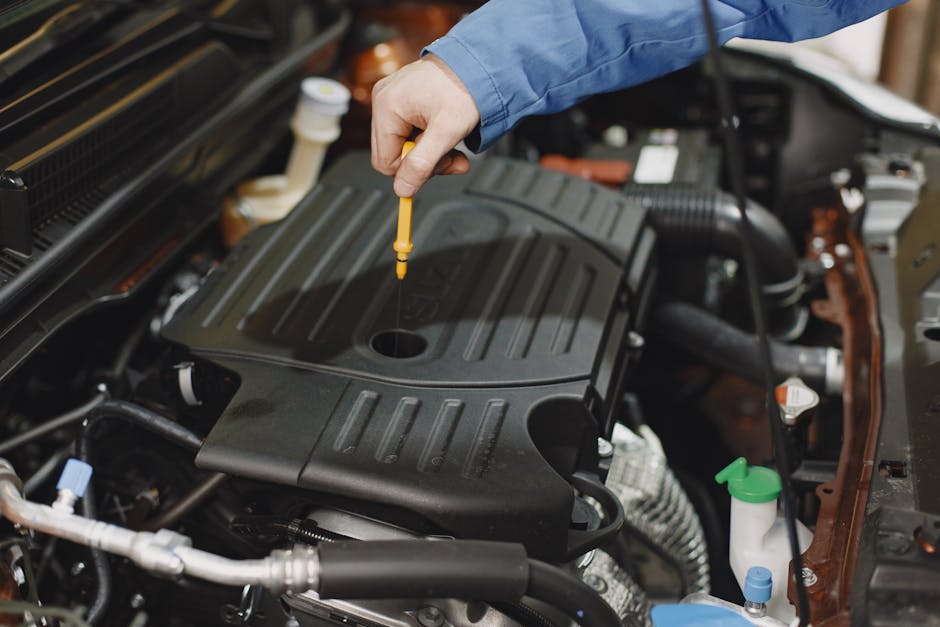
Once you've topped off your oil and confirmed there's no leak (or fixed the leak), the check engine light might still be on. That's fine. The fault code is stored in your engine computer's memory.
You have two options: drive the car normally for 50-100 miles and let it clear itself, or use a diagnostic scanner to manually clear the code. If you're the type who wants answers now, BLCKTEC offers scanners that let you clear codes yourself in seconds. No waiting, no guessing.
Important: if the same check engine light comes back on within a few days after clearing it, low oil wasn't the real problem. You need deeper diagnosis.
Related: Best Check Engine Code Scanners 2026: Top 5 Ranked
When to Call a Professional
You should get professional help if:
- Your oil is low and you can't find a leak (internal leak, head gasket problem).
- The check engine light comes back after you clear it.
- Your oil pressure warning light is on even after topping off the oil.
- You hear unusual knocking or ticking from the engine.
A qualified mechanic can run more extensive diagnostics and pressure tests to rule out internal damage. It's worth the cost if you're unsure.
Bottom Line: Low Oil Is Serious
Can low oil cause a check engine light? Yes, indirectly. But more important than the light is the reality that low oil damages your engine. Check your level monthly, fix leaks fast, and don't ignore warning signs. Your wallet will thank you.
And if you ever need to pull a fault code yourself to figure out what's really going on, tools exist that make it simple and affordable. That's peace of mind you can afford.
Can I drive with low oil if the check engine light isn't on yet?
No. Low oil can cause serious engine damage long before any light appears. If your oil level is low, top it off right away and find out why it's low. Continuing to drive on low oil risks engine seizure, catalytic converter damage, and catastrophic failure.
Will the check engine light go away after I add oil?
Not automatically. The light will stay on until either the fault code clears itself (usually after 50-100 normal driving miles) or you manually clear it with a diagnostic scanner. Adding oil fixes the underlying problem, but you may need to clear the stored code to turn off the light.
Is low oil the same as a low oil pressure sensor fault?
No. Low oil is an actual shortage of lubricant. A low oil pressure sensor fault means the sensor itself is broken and sending false readings. Low oil can trigger a sensor fault, but a faulty sensor can also throw a code even when your oil level is fine. A diagnostic scan will tell you which one you're dealing with.
What oil should I use if my level is low?
Use the exact oil type and weight your vehicle's manufacturer recommends. Check your owner's manual or look inside the fuel door. It usually says something like "5W-30" or "10W-40." Using the wrong oil can cause performance problems and may void your warranty. When in doubt, call your vehicle's dealership or ask a trusted mechanic.
Looking for an OBD2 Scanner?
Explore BLCKTEC →