

In this article
- Where to Get Your Check Engine Light Checked
- Free Check Engine Light Scanning at Auto Parts Stores
- What You'll Learn From a Free Scan
- Is It Safe to Drive With the Check Engine Light On?
- Paid Diagnostics at Repair Shops
- Get a Scanner and Do It Yourself
- What to Do After You Get Your Code
- Common Check Engine Light Causes
- When to See a Mechanic Right Away
- Why Having a Scanner at Home Pays Off
- Your Checklist: From Light to Answer
Where to Get Your Check Engine Light Checked
Your check engine light just came on. Your first thought is probably "how much is this going to cost me?" Here's the honest truth: you can get a free diagnostic at most auto parts stores in your area. No appointment needed, no expensive shop fees, no pressure to buy something you don't need.
The light itself doesn't tell you much—it just means your vehicle's onboard computer detected something. But that code? That's your roadmap to understanding what's actually wrong. Let's walk through your best options.
Free Check Engine Light Scanning at Auto Parts Stores
Your easiest first move is hitting up a local auto parts store. Most major chains offer complimentary check engine light diagnostics, and it takes about 10-15 minutes.
Related: Free Check Engine Light Diagnostic at AutoZone: What You Need to Know
AutoZone is probably the most convenient option. Walk in, tell them your check engine light is on, and they'll plug in their scanner for free. You'll get a printout with the trouble codes and a basic explanation of what they mean. No strings attached.
O'Reilly Auto Parts uses their VeriScan tool to read codes at no cost. Similar process, same result: you leave with answers and a code sheet.
Pep Boys and Jiffy Lube also offer complimentary engine diagnostic checks. Jiffy Lube specifically runs engine diagnostic testing to scan for trouble codes. Call ahead to confirm your local store has the equipment available—most do, but it's worth checking.
Pro tip: bring your vehicle's year, make, and model when you go. It helps the staff pull up the right info faster.
What You'll Learn From a Free Scan
When the tech scans your vehicle, you'll get one or more trouble codes (usually starting with "P", "B", "C", or "U"). These codes are standardized across all vehicles, so a code like "P0420" means the same thing whether you drive a Honda or a Ford.
The auto parts store staff can usually explain what the code points to and give you a rough idea of how urgent it is. Some codes mean "get this fixed soon." Others are more like "keep an eye on it." A few—like certain transmission codes—need attention faster.
You'll also get guidance on whether you can drive safely to a mechanic or if you should stop immediately. This matters a lot.
Is It Safe to Drive With the Check Engine Light On?

Generally, yes—you can keep driving with the light on. It's annoying, but not dangerous in most cases.
Related: Free Check Engine Scan: Where to Get One Today
Related: Free Check Engine Light Testing: Where to Get It Done
The big exception: if the light is flashing, stop driving immediately. A flashing check engine light means your engine is misfiring or there's a serious problem happening right now. Continuing to drive can cause real damage. Flashing = pull over and call a tow truck.
A steady light? You're usually fine to get to a mechanic or an auto parts store for a free scan. No emergency.
Paid Diagnostics at Repair Shops
If you want a full diagnostic from a professional mechanic instead of a quick scan, expect to pay $50-$200 depending on the shop. The upside is they'll dig deeper—checking related systems, running additional tests, and giving you a repair estimate.
The downside is cost. Many repair shops use the diagnostic fee as a sales tool. They want you to let them fix it too. That's not necessarily bad, but you should compare quotes before committing.
Our recommendation: start with a free scan at an auto parts store. You'll get the code and a basic idea of what's wrong. If you need more detail or you're not sure what the code means, then consider a paid diagnostic from a trusted local shop.
Get a Scanner and Do It Yourself
Here's another option that's growing in popularity: buy or borrow an OBD-II scanner and read the codes yourself.
Affordable handheld scanners like the 400 - Entry Level can read and clear check engine codes for under $50. They plug into your vehicle's OBD-II port (usually under the steering wheel, near the pedals) and pull up the same codes the auto parts store gets.
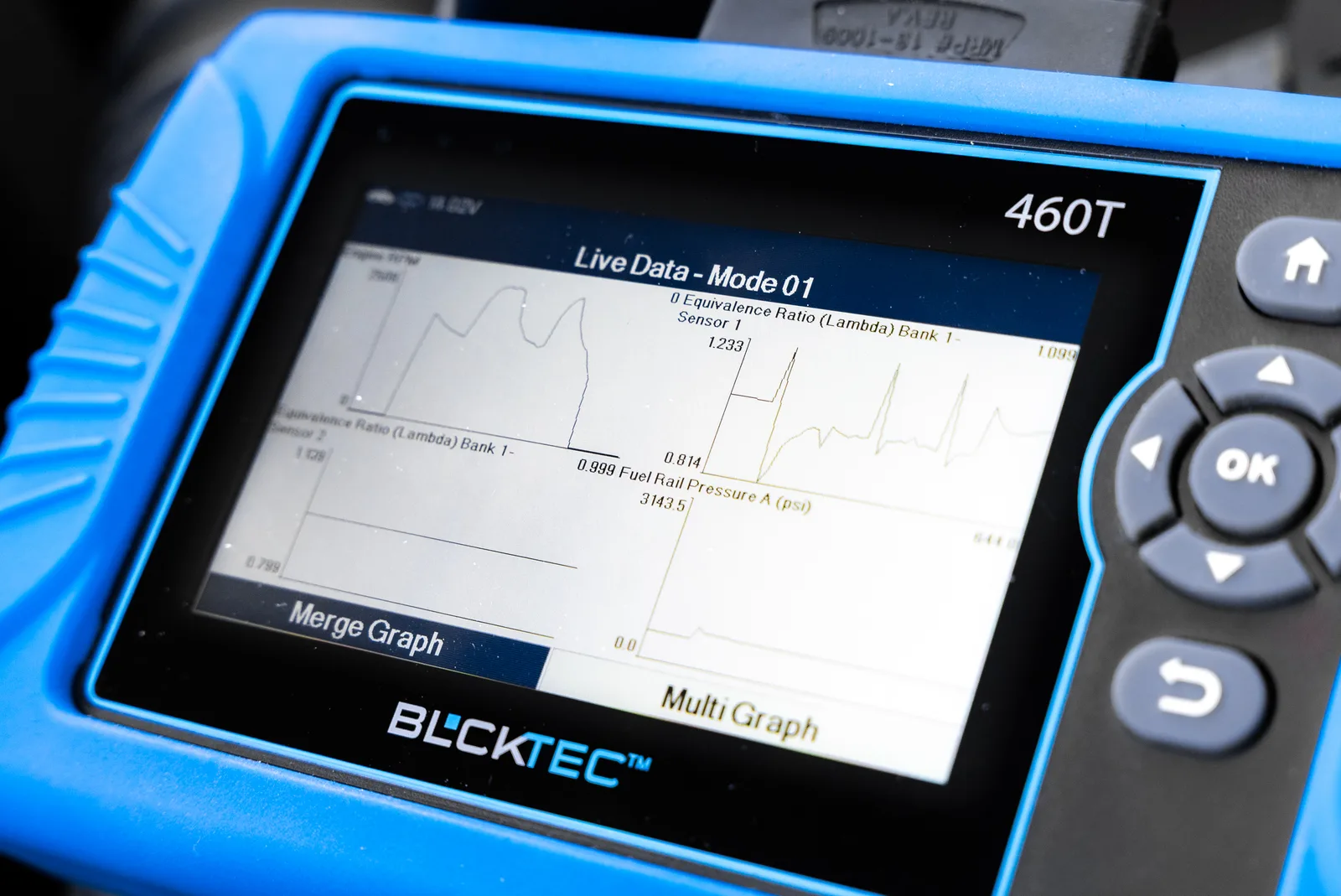
Why would you do this? Because once you own a scanner, you can check your vehicle anytime. That check engine light comes back on in three months? Plug in the scanner and get your answer in 30 seconds. No trip to the store, no waiting in line. Peace of mind is worth something.
If you're curious about this route, BLCKTEC makes straightforward, reliable diagnostic scanners that work on most vehicles from 1996 onward. The support team is US-based and will walk you through it if you get stuck.
Looking for an OBD2 Scanner?
Explore BLCKTEC →What to Do After You Get Your Code
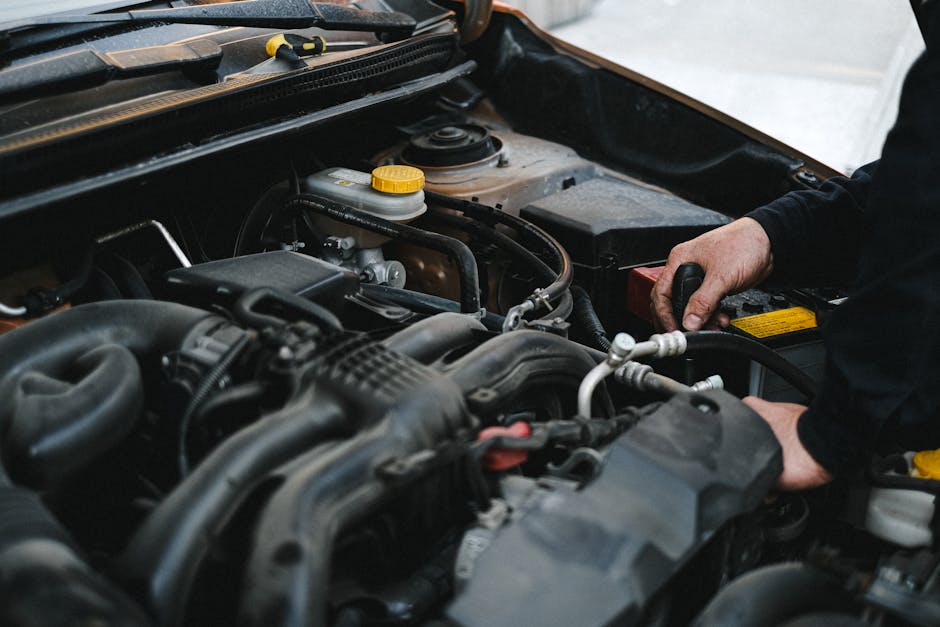
Once you have the trouble code, you've got a few moves:
- Look it up online. Search "[your code] meaning" and you'll find forums, YouTube videos, and repair guides explaining what it is and how serious it typically is.
- Check if it's a known issue. Some codes are common for specific models. For example, a 2015 Honda might have a well-known oxygen sensor issue. Knowing that saves you time and money.
- Get quotes from multiple shops. Once you know what's wrong, call 2-3 local mechanics and ask for a price. Prices vary wildly, and this is how you find the honest shop vs. the expensive one.
- Decide if you can wait. Not every code needs fixing today. Some issues get worse over time. Others stay stable for months. Do your research before you panic.
Common Check Engine Light Causes
Your check engine light could mean a lot of things, but some are way more common than others. According to the National Highway Traffic Safety Administration (NHTSA), a few issues show up repeatedly:
- Loose or faulty gas cap. Sounds silly, but this triggers the light all the time. Cost to fix: $0 (tighten it yourself) or $20 (new cap).
- Oxygen sensor failure. This sensor helps your engine run efficiently. Replacing it usually runs $200-$500.
- Catalytic converter issues. Expensive to fix ($800-$2,500), but you'll usually hear about it—your car might run rough or smell bad.
- Bad spark plugs or ignition coil. Common on older vehicles. Usually $100-$400 to fix.
- Mass airflow sensor problem. This measures air going into the engine. Could be $150-$400 depending on your car.
The point: knowing the code narrows down what you're dealing with. And knowing what you're dealing with means you can't get ripped off.
When to See a Mechanic Right Away
Some codes mean "get help soon." Others mean "get help now." If your scan shows any of these, schedule a shop visit quickly:
- Misfire codes (P0300, P0301, P0302, etc.)
- Catalytic converter codes (P0420, P0430)
- Transmission codes (usually P07XX range)
- Any code that appears twice
If the light is flashing, don't drive more than absolutely necessary. Get to a mechanic or call a tow truck.
Why Having a Scanner at Home Pays Off
Here's the thing about check engine lights: they don't always go away on their own. Sometimes the code clears and comes back. Sometimes you fix one issue and a new one pops up. If you own a scanner, you're in control of the information.
You don't have to trust a repair shop's diagnosis blindly. You don't have to wonder if that code is real or just a sensor glitch. You know. And knowing is half the battle when it comes to keeping your vehicle healthy without spending money you don't need to spend.
That's why people invest in tools like BLCKTEC scanners. It's one tool, unlimited scans, and you own it forever.
Your Checklist: From Light to Answer
- Step 1: Note when the light came on and what you were doing (helps narrow down the issue).
- Step 2: Visit an auto parts store for a free scan, OR buy a scanner and read it yourself.
- Step 3: Write down the trouble code and search for what it means.
- Step 4: Determine urgency (flashing = stop, steady = safe to drive to a mechanic).
- Step 5: Get quotes from multiple shops before committing to a repair.
- Step 6: Make your move based on cost, urgency, and your vehicle's age.
If any of this resonated, give BLCKTEC a look — it is where the rest of our research lives.
Can I clear the check engine light myself?
Yes, but you shouldn't—not without understanding the code first. Clearing the light without fixing the underlying problem means the light comes back. Scanners can clear codes, but the real issue is still there. Scan it, understand it, fix it, then the light goes away permanently. That's the right order.
How long can I drive with the check engine light on?
Depends on the code. If it's a loose gas cap or a misfire that just started, you can probably drive to a mechanic without worry. If it's a catalytic converter problem or a transmission code, don't wait. Get it diagnosed quickly. A flashing light means stop now. When in doubt, get a free scan and let the code guide your decision.
Will the check engine light go away on its own?
Sometimes. If you restart your engine a few times, clear the code, and the underlying problem hasn't gotten worse, the light might not come back. But don't count on it. That light is your vehicle telling you something needs attention. Ignoring it usually means the problem gets more expensive.
What's the difference between a free scan and a paid diagnostic?
A free scan gives you the code and a basic explanation. A paid diagnostic ($50-$200) from a mechanic includes testing related systems, a full inspection, and usually a repair estimate. Start free, go paid only if you need more detail or you're not sure what to do next.
Looking for an OBD2 Scanner?
Explore BLCKTEC →