

That check engine light on your dashboard is basically your car saying "Hey, something's up." The good news? You can clear those codes yourself without paying a mechanic $100+ just to read them. Here's how to clear codes on your car using two straightforward methods.
In this article
The Best Way: Use an OBD-II Scanner
If you want to actually fix the problem (not just hide it), an OBD-II diagnostic scanner is your move. This is what mechanics use, and honestly, it should be in every car owner's toolbox.
Related: Best Mechanic to Check Used Car: Pre-Purchase Guide
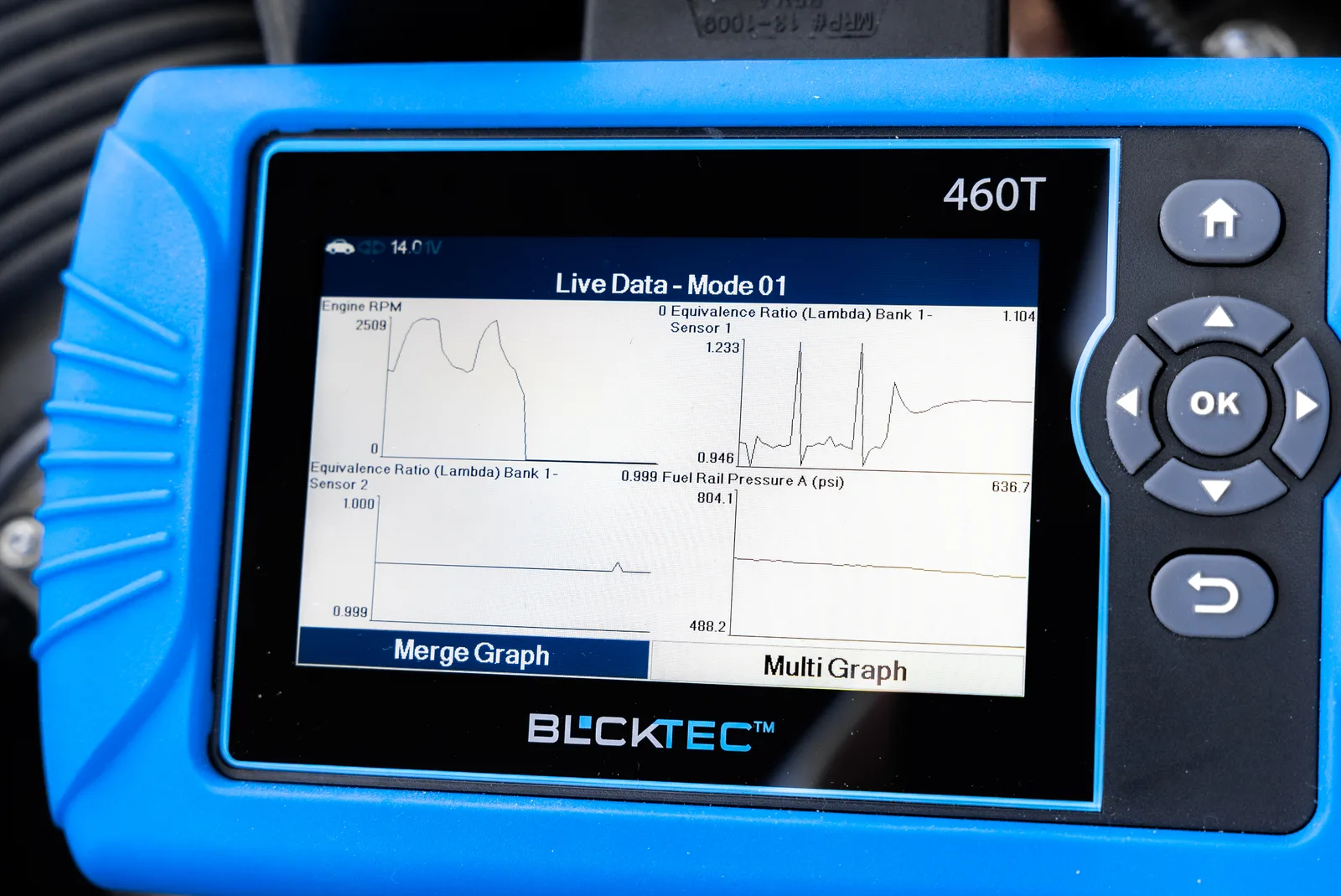
Here's what you're doing:
- Locate your OBD-II port under the steering wheel or dashboard. It looks like a rectangular connector with 16 pins.
- Plug your scanner into that port.
- Turn your ignition on (don't start the engine yet).
- The scanner reads your trouble codes and displays them on screen.
- Select "Clear Codes" or "Erase Codes" from the menu.
- The scanner confirms the codes are gone.
That's it. Takes about two minutes.
Related: How to Clear Check Engine Light Without Scanner
Related: Clear Check Engine Light Without Scanner: 4 DIY Methods
Related: Best OBD Scanner for Mercedes-Benz: Read & Clear Codes Fast
Why this method wins: You see exactly what triggered the code. Maybe it's a loose gas cap or a real engine issue. You get the info, you make an informed decision, and you actually address the root problem instead of just silencing the light.
Tools like the 420X - Standard Diagnostics or the 440 - Advanced Diagnostics give you unlimited scans, clear codes in seconds, and don't require a subscription or app login. You own the tool outright.
The Quick Workaround: Disconnect the Battery
This method is faster but temporary. It works because your car's computer stores codes in its memory. Cut power, and that memory gets erased.
Here's the process:
Looking for an OBD2 Scanner?
Explore BLCKTEC →- Open your hood and locate the negative battery terminal (the black cable, marked with a minus sign).
- Use a wrench to loosen the bolt on the negative terminal and disconnect the cable.
- Keep it disconnected for 30-60 seconds. Some folks recommend disconnecting both cables and holding the ends together for 10+ seconds to drain residual power.
- Reconnect the negative terminal and tighten the bolt.
- Start your car and see if the light stays off.
Real talk: This is a band-aid, not a cure. If the underlying problem still exists (bad oxygen sensor, loose cap, wiring issue), the code comes back after your engine runs through its diagnostic cycle again, usually within a few hundred miles. The light will be back.
Battery disconnection is fine for testing or as a temporary troubleshooting step, but it doesn't solve anything.
Why Codes Come Back (And What That Means)
Your vehicle runs constant diagnostic checks. Every time your engine cycles, it monitors emissions, sensors, ignition timing, and fuel system performance. If something's still wrong, your computer sets the code again.
Think of the check engine light like a smoke detector. Disconnecting the battery is like covering the detector with tape. The smoke is still there.
The only way to keep codes from coming back is to fix the actual problem. That's where knowing what the code means matters.
Common Codes and What They Actually Mean

Not every code means "take it to a shop." Some are genuinely simple fixes.
- P0455: Loose or faulty gas cap. Tighten it and clear the code. Done.
- P0171: System running too lean. Could be a failing oxygen sensor, dirty fuel injector, or fuel pump issue. This one might need a mechanic.
- P0420: Catalytic converter efficiency problem. Usually a sensor issue, but sometimes the converter itself. Needs diagnosis.
- P0300: Random cylinder misfire. Could be bad spark plugs, fuel injectors, or ignition coils. Check spark plugs first.
The point: A scanner doesn't just clear codes, it tells you what to fix. That knowledge saves you money and keeps you from getting sold repairs you don't need.
What You Need to Know Before You Clear Codes
A few important things to keep in mind.
Vehicle inspections need real fixes. If you're clearing codes to pass an emissions test or vehicle inspection, just clearing the code isn't enough. Most states require the underlying issue to be resolved, and your car needs to pass actual diagnostic testing. A temporary code clear won't cut it.
Some codes indicate safety issues. If your code is related to braking systems, airbags, or transmission problems, you need real diagnostics. Don't ignore those.
Clearing codes resets your maintenance data. Your car's computer uses code history to track patterns. Clearing codes removes that history, which might be useful info for a mechanic diagnosing recurring problems.
The responsible move: Read the code with a scanner, understand what it means, fix the actual problem if needed, then clear it. That's how you go from guessing to knowing.
Why OBD-II Scanners Are Worth the Investment
Buying your own scanner is cheaper than one mechanic visit. According to the automotive industry standards, diagnostic fees alone run $75-$150 at most shops. A decent scanner costs less and pays for itself immediately.
Plus, you'll have it for every car issue going forward. Oil change? Brake problem? Transmission hiccup? Your scanner reads all of it.
The BLCKTEC difference: You get unlimited scans, no app subscriptions, no proprietary fees, and customer support from actual humans in the US who can walk you through code meanings. That's it. Affordable tool, real support, peace of mind.
Can I just keep clearing codes manually?
You can, but you're not solving anything. Clearing codes without fixing the problem is like ignoring a warning light on your dashboard. Eventually, it affects performance or emissions, costs more to fix, or fails inspection. Deal with it once, properly.
Will clearing codes damage my car?
No. Clearing codes doesn't harm your vehicle. It just removes stored diagnostic information. The underlying mechanical problem (if one exists) stays the same.
How long does it take to clear codes with a scanner?
Less than two minutes. Plug in, read, clear, done. Battery disconnect takes about the same time but requires waiting 30-60 seconds.
Do I need to clear codes before a smog test?
Not necessarily, but your car's computer needs to complete its full diagnostic cycle first. That typically takes 50-100 miles of regular driving. Some states require the "readiness monitors" to show complete before testing. Clearing codes resets those monitors, so if you clear codes right before a test, you might fail anyway. Wait a few days after clearing codes to let the system recheck itself.
Looking for an OBD2 Scanner?
Explore BLCKTEC →