

Here's the straight answer: your check engine light does NOT come on simply because an oil change is due. That light is a diagnostic warning system, not a maintenance reminder. It's designed to alert you to engine problems, not routine upkeep.
But here's where it gets tricky. If your check engine light appears around the time you're due for (or just had) an oil change, there might be a connection—just not the one you'd think. Let's break down what's actually happening.
Related: Check Engine Light Scanner: What It Does & How to Use One
In this article
- The Check Engine Light Isn't a Maintenance Alert
- When Oil Issues CAN Trigger the Check Engine Light
- Why the Timing Feels Suspicious
- How to Tell If Your Oil Change Light and Check Engine Light Are Related
- What to Do Right Now
- Peace of Mind Starts with Understanding
- Still Not Sure What Triggered It? Get Answers Fast
The Check Engine Light Isn't a Maintenance Alert
Your vehicle has two separate warning systems.
Maintenance reminders (like oil change alerts) come through your dashboard as service indicators. They're scheduled based on mileage or time intervals. When your car hits 10,000 miles or 6 months, that light pops up to say "hey, routine service time."
The check engine light is completely different. It's triggered by your engine's onboard diagnostic system (OBD-II) when a sensor detects a real malfunction or emission control issue. Think of it as the car's way of saying "something's broken, not just due for maintenance."
Related: Free Check Engine Light Diagnostic at AutoZone: What You Need to Know
So dirty oil alone? Won't trigger it. Forgetting your scheduled oil change? It'll remind you, but the check engine light stays off.
When Oil Issues CAN Trigger the Check Engine Light
Now here's where oil and the check engine light actually connect.
Low oil levels can indirectly trigger the warning. If your oil is too low, oil pressure drops. Your vehicle has an oil pressure sensor that monitors this. When pressure falls below safe operating levels, that sensor sends a signal to the engine control unit (ECU), which turns on the check engine light.
This is your car's way of protecting the engine. Running on low oil can cause serious damage fast. The warning is there because you need to act now, not wait until your next scheduled service.
Related: Can Low Oil Cause Check Engine Light? What You Need to Know
Similarly, a malfunctioning oil pressure sensor can throw a false alarm. The sensor itself might be faulty, telling your ECU there's a problem when there isn't one. Regardless, the check engine light illuminates because the system detected what it thought was an issue.
A loose or missing oil cap can also trigger it. That cap isn't just sitting there looking cute—it's part of your vehicle's emission control system. A loose cap creates a leak in the system, the oxygen sensor picks up on it, and boom—check engine light.
If you want to know exactly what triggered your check engine light, you need a diagnostic scanner. That's where BLCKTEC comes in handy. A quick scan reads the specific trouble code and tells you whether it's oil-related or something else entirely.
Looking for an OBD2 Scanner?
Explore BLCKTEC →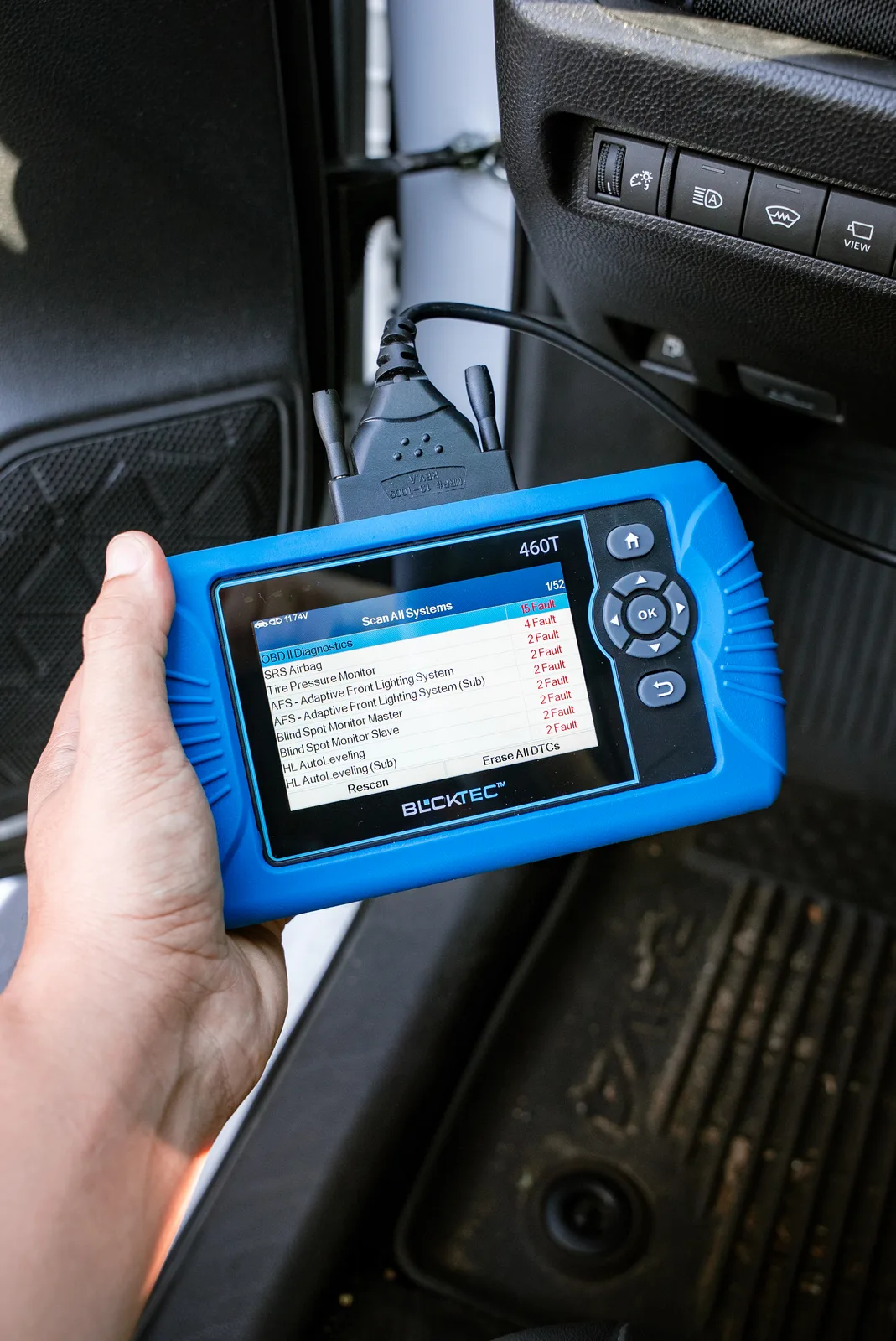
Why the Timing Feels Suspicious
Your check engine light appears right when you're getting an oil change. Coincidence? Usually.
But here's what might actually be happening:
- You ignore maintenance until something fails. You skip oil changes, oil gets too low, oil pressure drops, light comes on. You finally book that service appointment. The mechanic changes your oil (addressing the root cause) and clears the code.
- A mechanic finds an unrelated issue during service. While changing your oil, they notice a loose oil cap or a dying pressure sensor. They fix it and clear the code. Feels connected, but it's just timing.
- The problem was always there. Maybe your oxygen sensor was failing for weeks. You finally bring the car in for routine maintenance, the technician scans it, and deals with it. Oil change and sensor repair happen the same day, but they're separate issues.
How to Tell If Your Oil Change Light and Check Engine Light Are Related

Don't guess. Read the code.
When your check engine light is on, your vehicle stores a diagnostic trouble code in its computer. This code is specific. It tells you exactly what system triggered the warning—whether it's the oxygen sensor, the catalytic converter, a misfire, or something oil-related like oil pressure.
You can pull this code yourself using an OBD-II scanner. If you've got a 420 - Standard Diagnostics scanner in your toolbox, you're reading codes in seconds. No shop visit, no guessing, no diagnostic fee.
Common oil-related codes include:
- P0011 / P0014 (Camshaft timing issues, can correlate with oil problems)
- P0016 (Crankshaft / camshaft correlation, often low oil pressure related)
- P0520 (Oil pressure sensor malfunction)
If your code isn't in that ballpark, your oil change and check engine light are probably unrelated events that happened to occur at the same time.
What to Do Right Now
If your check engine light just came on, here's your action plan:
Step 1: Check your oil level. Pop the hood, pull the dipstick, wipe it clean, reinsert it, pull it again, and check. If you're significantly low, top it up and see if the light goes away after a few drive cycles. If oil was the culprit, this often resolves it.
Step 2: Inspect the oil cap. Make sure it's on tight and not cracked. A loose cap is an easy fix that could be your entire problem.
Step 3: Scan the code. This is the only way to know for sure what's wrong. Whether you use BLCKTEC's tools or visit a mechanic, get the diagnostic code read. Don't drive around guessing.
Step 4: Act based on the code. If it's oil-related, change your oil, check sensors, or top up your level depending on what the code says. If it's something else, you now know what to address.
Peace of Mind Starts with Understanding
Your check engine light isn't meant to confuse you. It's trying to communicate.
The disconnect comes from thinking it's a maintenance reminder when it's actually a diagnostic warning. Oil changes are important for engine health, but they're separate from the check engine system. Your vehicle reminds you about oil changes with a maintenance alert—the check engine light has a completely different job.
Once you understand that distinction, the rest makes sense. Your oil level drops (or a sensor fails), the engine control unit detects a problem, and the light comes on. It's not about routine maintenance—it's about something that needs immediate attention.
Keep your oil changed on schedule, keep the cap tight, and when that check engine light comes on, grab a diagnostic scanner to read the code. That's how you stay ahead of real problems instead of worrying about coincidences.
Still Not Sure What Triggered It? Get Answers Fast
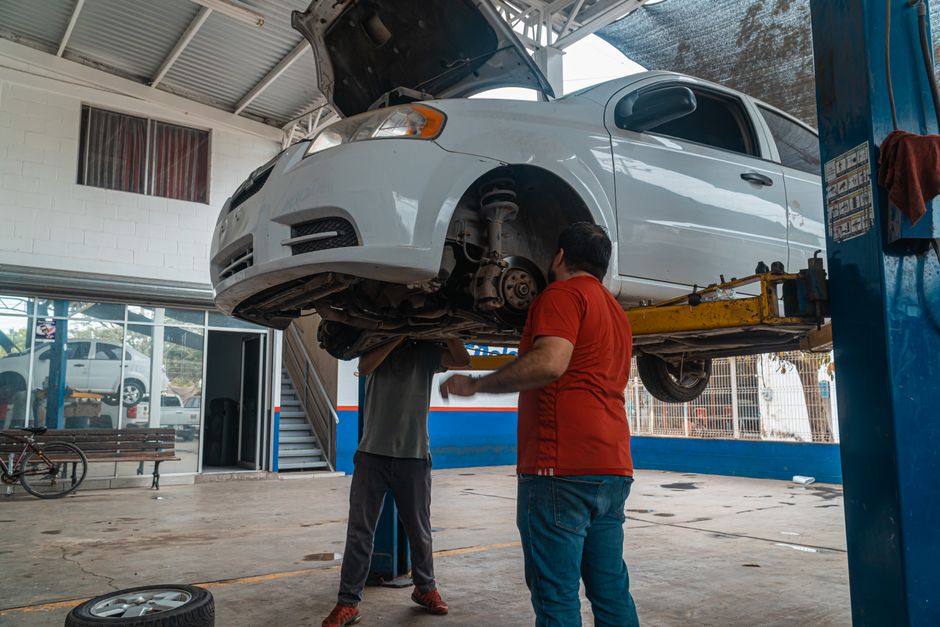
Reading codes yourself takes the mystery out of the check engine light. Tools like BLCKTEC's entry-level scanners give you the exact diagnostic information your mechanic charges $100+ to pull. You'll know whether it's oil-related, emissions, spark plugs, or something else before you even call for service.
That's confidence. That's control. That's what every car owner deserves.
Can an oil change clear the check engine light?
Not directly. The light stays on until the underlying problem is fixed or the code is manually cleared with a diagnostic scanner. That said, if low oil was causing the light, changing your oil (and refilling to proper levels) often resolves the root cause. The light may turn off on its own after a few drive cycles. But if a sensor is faulty or another issue exists, an oil change alone won't help.
Is it safe to drive with the check engine light on?
It depends on the code. A loose oil cap or a minor sensor glitch? You can usually drive safely to a mechanic or scan it yourself. But codes related to engine misfires, severe oil pressure problems, or catalytic converter issues can cause damage if ignored. The safest approach is to scan the code immediately. Once you know what it is, you can decide whether it's an urgent fix or something that can wait until your next service appointment.
Why did the check engine light come on right after I got an oil change?
Three reasons this happens: First, the mechanic found and fixed an unrelated issue (loose cap, bad sensor) while they were in there—you're seeing the result of that repair, not the oil change itself. Second, your oil was so low that it had already triggered the light before you scheduled service; the mechanic fixes the cause but the light doesn't always clear immediately. Third, pure coincidence—the sensor failed the same week you needed service. A quick diagnostic scan will tell you which one it is.
Do I need to clear the check engine light manually?
Most diagnostic scanners can clear codes, but clearing the light without fixing the problem is just hiding the symptom. The code will come back once the underlying issue triggers the sensor again. Fix the root cause first (oil level, sensor replacement, emission leak, etc.), then clear the code. If you're planning to scan it yourself, a basic diagnostic scanner will read and interpret the code for you.
Looking for an OBD2 Scanner?
Explore BLCKTEC →