

Yeah, low oil can cause your check engine light to come on. Here's the thing though: it doesn't always trigger it directly. Low oil messes with your engine's oil pressure, and when pressure drops, your vehicle's computer notices and fires up that warning light. It's your car's way of saying something's off.
The confusing part? You might not realize you're low on oil at all. Your engine could be running fine until suddenly, boom—check engine light. That's why it's worth understanding the connection and knowing what to do when it happens.
Related: Why Your Check Engine Light Is On (And How to Fix It)
In this article
How Low Oil Triggers the Check Engine Light
Your engine relies on oil to lubricate moving parts, reduce friction, and maintain proper pressure. When your oil level drops below what's normal, pressure inside the engine falls too. Your car has sensors that monitor this pressure constantly.
When those sensors detect low oil pressure, they send a signal to your vehicle's computer (the engine control module). The computer then flags a trouble code and illuminates your check engine light. It's automated—no guesswork involved.
Here's what makes this tricky: the light doesn't always mean your oil level is dangerously low. Sometimes it's just slightly below optimal, or the pressure sensor itself is acting up. Either way, you need to investigate.
Related: Does Check Engine Light Mean Oil Change? Here's the Truth
Check Your Oil Level First
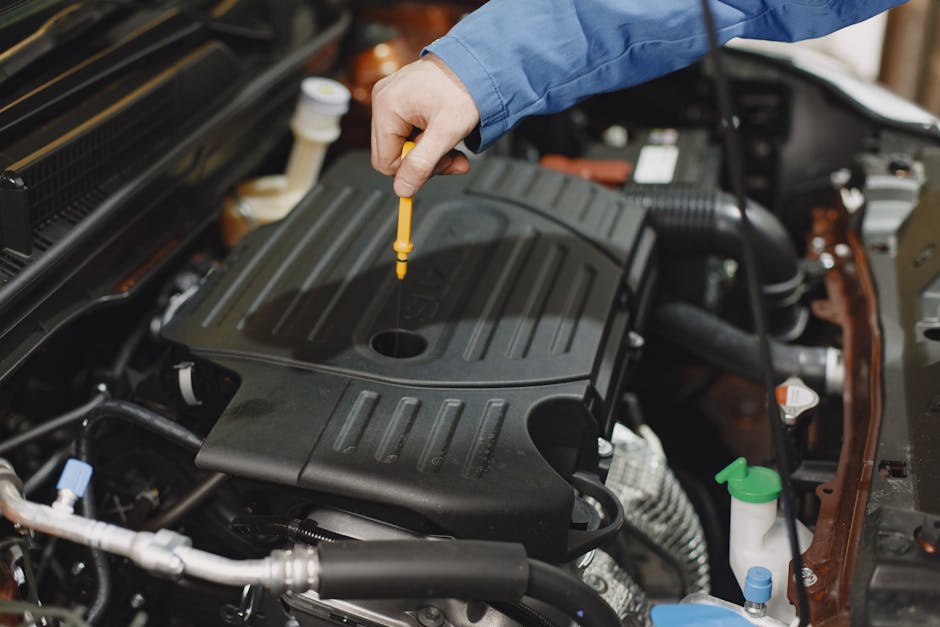
Before you panic or assume the worst, grab your dipstick and check your oil level manually. This is step one, and honestly, it's the most important step.
Here's how to do it right:
- Park on level ground and let your engine cool for a few minutes
- Pop the hood and locate your oil dipstick (usually has a yellow or orange handle)
- Pull it all the way out and wipe it clean with a rag or paper towel
- Reinsert it fully, then pull it out again to get an accurate reading
- Check where the oil level sits between the minimum and maximum marks
If it's below the minimum line, you've found your problem. Top it off with the correct grade of oil for your vehicle (check your owner's manual), and see if the light goes away after a few drives.
Why Your Oil Might Be Low
Oil doesn't just vanish. If you're low, something's causing it. Common culprits include:
- Your oil change is overdue and you haven't had one recently
- Your engine is burning oil (internal leak or worn seals)
- You have an external leak under your car
- The oil level sensor itself is faulty
A recent oil change isn't a guarantee you're good either. Even fresh oil can leak out if there's a problem with your pan, filter, or seals. Don't assume everything's fine just because you had service done.
When It's Not Just Low Oil
Here's where things get interesting. You might check your oil, find it's at a normal level, and still see that check engine light. In that case, the issue isn't oil quantity—it's something else.
Related: Can Low Oil Cause Check Engine Light? What You Need to Know
It could be an oil pressure sensor that's gone bad, a clogged oil filter restricting flow, or even a faulty oil pump. These problems trigger the same warning light but need different fixes. That's why diagnosing matters.
This is where having the right diagnostic tool saves you real money. Instead of guessing or taking your car to a shop and paying for their diagnosis, BLCKTEC makes it easy to read what trouble code your vehicle is actually throwing. Different codes point to different problems—low oil level, low oil pressure, sensor issues, you name it.
Looking for an OBD2 Scanner?
Explore BLCKTEC →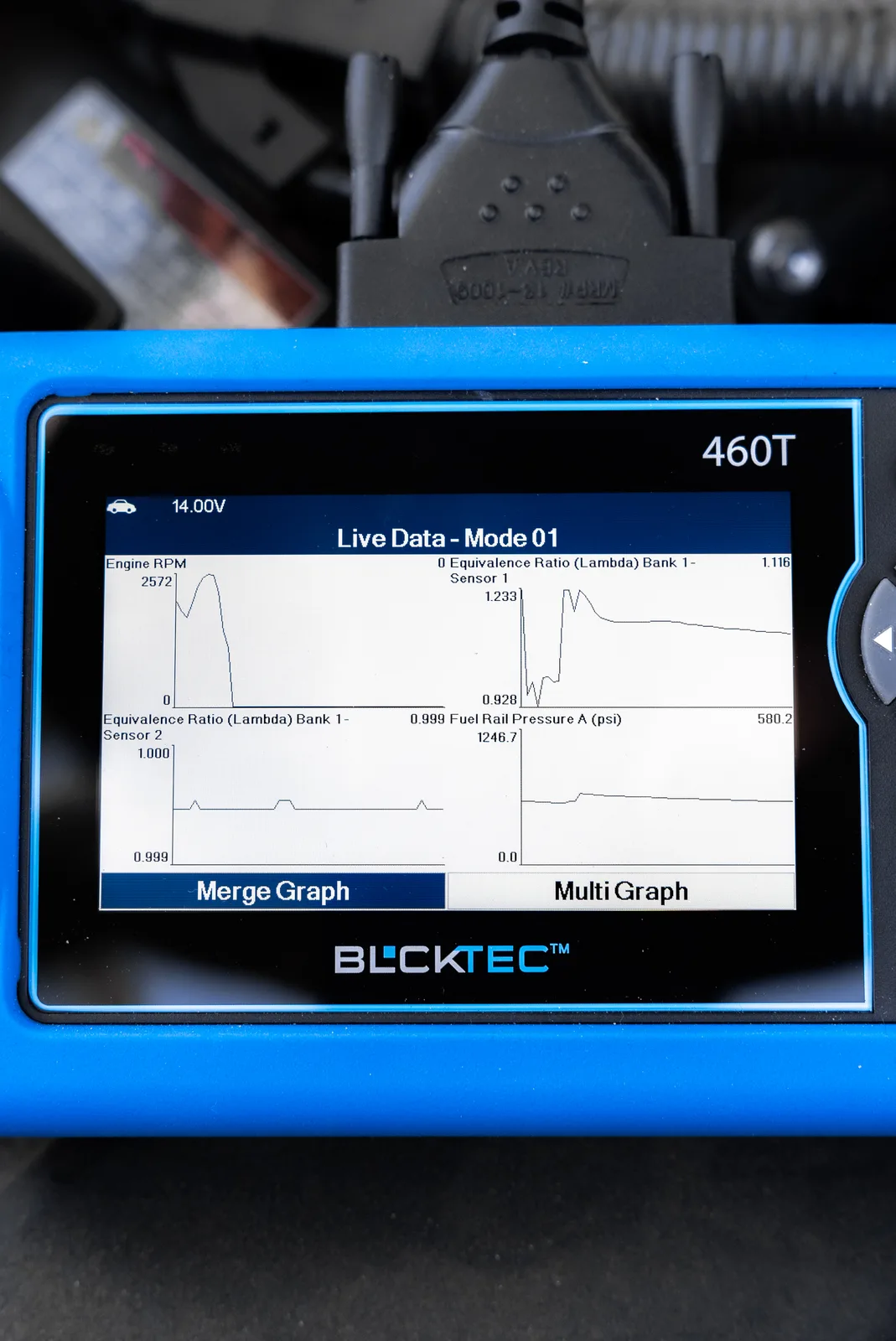
How to Read the Actual Trouble Code
Your check engine light is generic. The real information lives in the trouble code stored in your vehicle's computer. Reading that code tells you exactly what's going on.
You can do this yourself with an OBD-II scanner. These devices plug into a port under your steering column and communicate with your vehicle's computer. They pull up the specific code triggering your light.
Common codes related to oil include:
- P0011 to P0016: Camshaft position codes (can relate to oil issues)
- P0520: Oil Pressure Switch/Sender malfunction
- P0521: Oil Pressure out of range
- P0522: Oil Pressure too low
When you pull the code, you immediately know whether you're dealing with low oil, a sensor problem, or something entirely different. No guessing, no wasted time.
What To Do Right Now
Step one: check your oil level. That takes five minutes and could solve everything.
Step two: if oil is low, top it off with the right grade and monitor the light. Give it a few drive cycles (a drive cycle is starting your car, driving it, and turning it off). Sometimes the light clears on its own once you've fixed the problem.
Step three: if your oil is normal but the light won't go away, scan for trouble codes. This tells you whether you're dealing with an oil pressure sensor, pump issue, or something unrelated to oil entirely. Understanding what you're actually dealing with before you start repairs or book a shop appointment saves money and prevents unnecessary work.
A scanner like the 420 - Standard Diagnostics gives you exactly this capability. You plug it in, it reads your codes, and you know what's happening. No subscription fees, no guessing, no extra charge per scan.
Preventing Low Oil Problems

The easiest fix is prevention. Check your oil level every month or before long trips. It takes literally two minutes and keeps you ahead of problems.
Stick to your oil change schedule too. Your owner's manual tells you the interval—follow it. Fresh oil prevents buildup and keeps your engine running cleaner.
If you notice you're losing oil between changes, get that checked out. Whether it's a leak or internal consumption, ignoring it only makes things worse and more expensive.
When To See a Professional
If your oil level is fine but the light stays on, or if you're losing oil regularly and can't find an obvious leak, it's time for a professional to dig deeper. They can run pressure tests, inspect seals and gaskets, and pinpoint exactly what's failing.
But before you go, bring your diagnostic scan with you. When you show a mechanic the specific trouble code, they know immediately what to check. You're not paying them to diagnose a generic "check engine light"—you're paying them to fix a specific problem. That makes the visit faster and cheaper.
Tools like BLCKTEC give you that advantage. You walk in with information instead of guesses.
Key Takeaways
Low oil can absolutely trigger your check engine light. But it's not always the culprit, and it's not always obvious. The smartest move is to check your oil manually first, then scan for the actual trouble code if the light persists. You'll know exactly what you're dealing with and can make decisions based on facts, not assumptions.
Will low oil damage my engine if I keep driving?
Yes. Running an engine with insufficient oil causes accelerated wear on bearings, pistons, and other moving parts. You might not notice immediate damage, but over time it adds up. The longer you drive on low oil, the greater the risk of catastrophic engine failure. Don't ignore this.
Can I clear the check engine light myself if I top off my oil?
Clearing the light itself is easy with a scanner, but that's not the point. The light is a symptom, not the problem. Top off your oil first, drive a few times to let the computer recheck itself, and the light may clear on its own. If it doesn't, the light is telling you something else is wrong—an oil sensor, pump, or leak. Clearing it without fixing the underlying issue just hides the problem.
Does the check engine light mean I'm out of oil?
Not necessarily. Low oil pressure, an oil sensor malfunction, or other engine issues can all trigger the light. You could have enough oil but a faulty sensor. You could have low oil but a different problem entirely. That's why you check your level manually and scan for the actual code—don't assume.
How do I know if my oil sensor is bad versus actually low on oil?
Check your oil level first with your dipstick. If it's normal but the light won't go away, scan the trouble code. Codes like P0520 or P0521 point to the sensor or pressure system, not the oil level itself. A mechanic can also do a pressure test with a gauge to confirm whether your pressure is genuinely low or if the sensor is just acting up.
Looking for an OBD2 Scanner?
Explore BLCKTEC →