

No, the check engine light doesn't automatically mean you need an oil change. But here's the thing: low or dirty oil can trigger it. The light is your car's way of saying the engine computer detected a problem with engine performance or emissions control. That problem could be oil-related, but it could also be something else entirely. The only way to know for sure is to read what code the computer is storing.
In this article
- What the Check Engine Light Actually Means
- Low or Dirty Oil as a Trigger
- Other Common Reasons for Check Engine Light
- How to Read the Code and Know What's Wrong
- What to Do If Your Oil Is Fine
- Why Regular Oil Changes Help Prevent Problems
- When to Ignore the Light and When Not To
- Don't Let a Mechanic Surprise You
- Summary: Check Engine Light Doesn't Equal Oil Change
What the Check Engine Light Actually Means
When that light comes on, your car's onboard diagnostic system has flagged an issue. It's not a judgment call. It's a code. Think of it like a text message from your engine saying, "Hey, something isn't right."
Related: What Does Check Engine Light Code Mean? Decoding OBD-II
Related: Check Engine Light Scanner: What It Does & How to Use One
The light could mean low oil. It could mean a faulty oxygen sensor. It could mean a loose gas cap. It could mean a catalytic converter problem. Without scanning the vehicle's computer to read the actual trouble code, you're just guessing.
That's why the first thing you should do is check your oil level and condition. But don't stop there. If the oil is fine, the light is probably pointing to something else.
Low or Dirty Oil as a Trigger
Oil plays a huge role in engine health. When oil gets low, engine sensors detect that and can trigger the check engine light as a safety warning. Same thing happens when oil becomes too dirty to do its job properly.
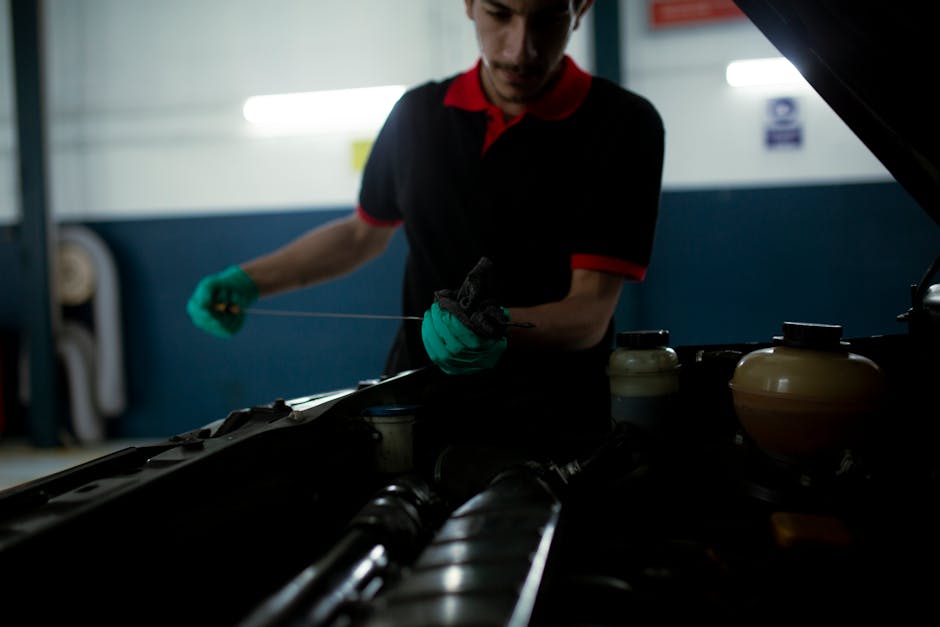
Here's what to do: Pop the hood. Pull the dipstick. Wipe it clean, reinsert it, and check the level. If it's below the minimum mark, top it off and see if the light goes away after a drive or two. If you haven't changed the oil in a while, the dirty oil might be the culprit. A fresh oil change could resolve it.
But if your oil level and condition look good, the check engine light is telling you something else needs attention. Don't assume an oil change is the fix.
Other Common Reasons for Check Engine Light
Your car's engine system is complex. Here are other things that trigger the light more often than you'd think:
- Faulty oxygen sensor: Measures how much oxygen is in the exhaust. When it fails, the engine runs less efficiently and the light comes on.
- Loose or missing gas cap: Sounds weird, but a bad seal on your fuel tank triggers an emissions code.
- Catalytic converter issues: This part cleans up exhaust. If it's failing, the light activates.
- Ignition coil or spark plug problems: Bad combustion leads to misfires and a check engine light.
- Mass airflow sensor malfunction: Tells the engine how much air is entering. When it's dirty or broken, performance suffers.
See why you can't just assume it's an oil change? Each of these has a specific code the computer can read.
Related: Does Check Engine Light Come On for Oil Change? Here's What You Need to Know
How to Read the Code and Know What's Wrong

The check engine light is useless without the code behind it. The code is the diagnosis. That's where BLCKTEC diagnostic scanners come in.
Looking for an OBD2 Scanner?
Explore BLCKTEC →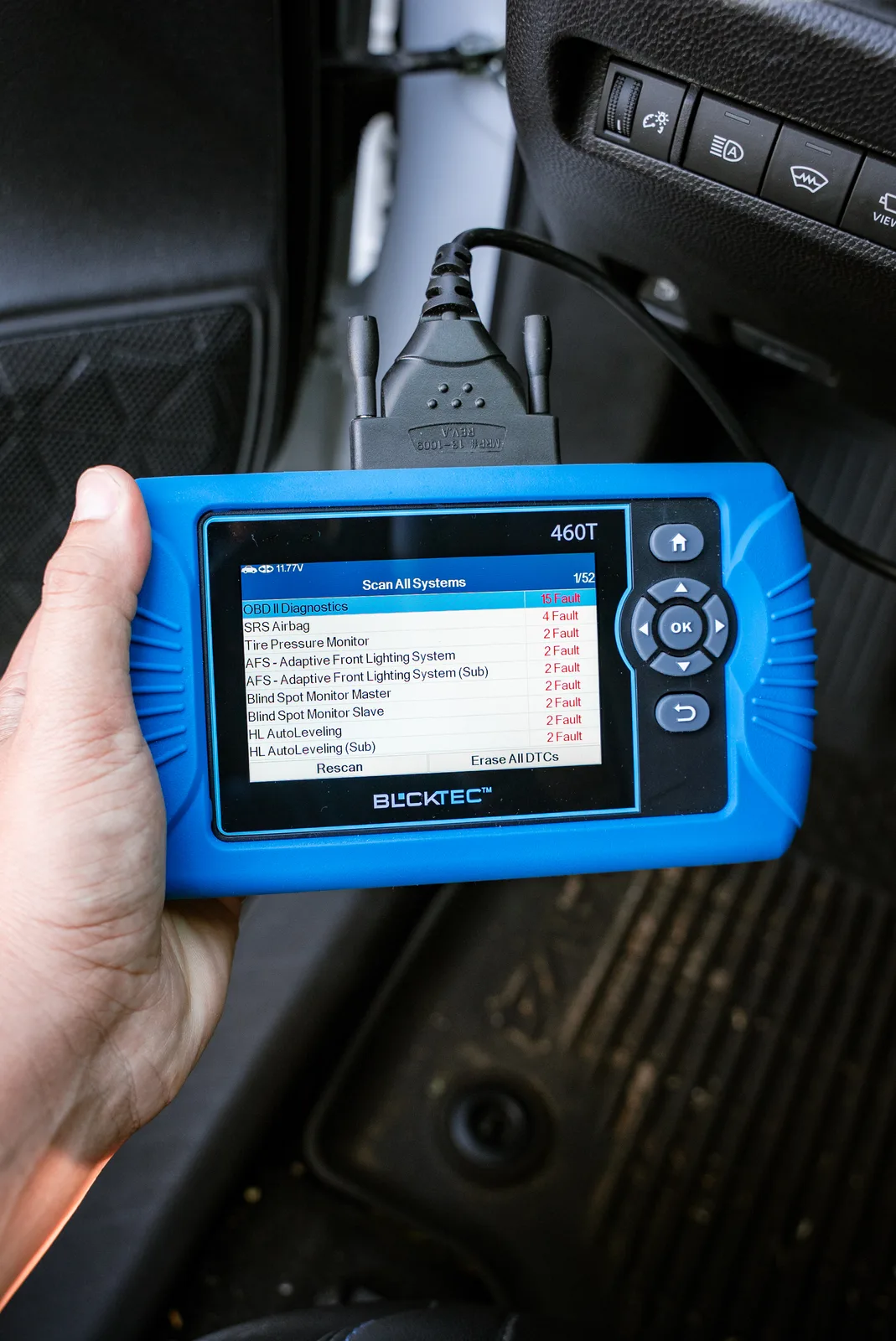
A scanner plugs into your car's OBD-II port (usually under the steering wheel on the driver's side). It communicates with your vehicle's computer and pulls the trouble code. That code tells you exactly what triggered the light.
For example, if the code is P0420, that's a catalytic converter efficiency problem. If it's P0133, that's an oxygen sensor circuit issue. Each code has a specific meaning, and knowing the code changes everything. You go from guessing to knowing.
You can buy an affordable scanner and do this yourself in about two minutes. No trip to the mechanic. No diagnostic fee. Just plug it in, read the code, and you've got the real answer.
What to Do If Your Oil Is Fine
Check your oil first. That's always step one. If the level is good and the oil looks clean, then the check engine light is pointing elsewhere.
Next, check your gas cap. Seriously. Tighten it or replace it if it's cracked. Sometimes that's all it takes. Then drive for a bit. If the light doesn't go away, grab a diagnostic scanner and read the code.
The code will tell you whether you need a new sensor, a spark plug change, a catalytic converter repair, or something else. It won't tell you to get an oil change if that's not the problem. Trust the code, not your assumptions.
Why Regular Oil Changes Help Prevent Problems
This is where maintenance matters. Keeping up with regular oil changes keeps your engine running smoothly and helps prevent issues that might trigger the check engine light down the road.
Clean oil means better sensor readings, better engine performance, and fewer warning lights. So yeah, oil changes are preventative medicine for your engine. They won't eliminate every possible problem, but they eliminate one major source of them.
If you're meticulous about oil changes and still see the check engine light, you know it's something else. That confidence is worth a lot.
When to Ignore the Light and When Not To
If the light is solid (not blinking), you can usually drive to a safe location or a repair shop. A solid check engine light means a problem exists, but it's not an emergency.
A blinking check engine light is different. That means your engine is misfiring or running rough. Stop driving immediately and get it scanned or towed. Continuing to drive could damage the catalytic converter or engine.
Either way, get the code read. Use a BLCKTEC scanner to find out what you're dealing with before you spend money on repairs you might not need.
Don't Let a Mechanic Surprise You
Some repair shops will see a check engine light and immediately recommend an oil change just to cover their bases. Maybe your oil is fine. Maybe you just had it changed. Doesn't matter to them. The light is on, so they're suggesting the easiest fix first.
That's why reading the code yourself makes sense. You walk in knowing what the real issue is. You can't get upsold on repairs you don't need. You're informed.
It takes two minutes and an affordable diagnostic scanner. That's all the power you need to be in control of your own vehicle maintenance and repair decisions.
Summary: Check Engine Light Doesn't Equal Oil Change
The check engine light is a symptom, not a diagnosis. Low or dirty oil can trigger it, but so can dozens of other things. An oil change alone probably won't fix it unless that's actually what the code reveals.
Step one: check your oil level and condition. Step two: grab a diagnostic scanner and read the trouble code. That code is your answer. It cuts through the guessing and points you toward the real fix. Once you know what the code means, you're in charge of the next decision: DIY repair, professional help, or whether the issue is worth fixing right now.
That clarity and control is what smart car ownership looks like. And it starts with knowing what the light actually means.
Does an oil change always clear the check engine light?
No. An oil change only clears the light if low or dirty oil was the cause. If the code is pointing to an oxygen sensor, spark plug, or catalytic converter issue, an oil change won't help. The light will come back on because the underlying problem is still there. Always read the code first.
Can I drive with the check engine light on?
If the light is solid, yes, you can usually drive to a mechanic or repair location. If the light is blinking, stop driving immediately. A blinking light means misfires or rough running, which can damage your engine or catalytic converter. Get it towed or scanned right away.
What if I clear the check engine light without fixing the problem?
The light will come back. Clearing the code without addressing the underlying issue is a temporary fix. The computer will detect the same problem again and turn the light back on. Fix the root cause, and the light stays off.
How much does a check engine light diagnostic cost at a repair shop?
Most shops charge between $50 and $150 for a diagnostic scan. It's a service fee just to read the code. If you buy your own diagnostic scanner, you can read codes on your car unlimited times for the cost of the tool itself, which pays for itself after just a couple of diagnostics.
Looking for an OBD2 Scanner?
Explore BLCKTEC →