

Your check engine light just came on. Your stomach drops a little. Is it serious? Is your car about to break down? Do you need to call a mechanic right now?
Take a breath. In most cases, a check engine light isn't an emergency. It's your vehicle's way of telling you that something in the emissions or engine system needs attention. The good news: you don't have to guess what that something is. You can find out exactly what's wrong, often without leaving your driveway.
Related: How to Clear Check Engine Light Without Scanner
Related: Can Check Engine Light Come On for Low Oil? Yes—Here's Why
Related: Check Engine Light Scanner: What It Does & How to Use One
Here's how to figure out what your car is trying to tell you, and what you can actually do about it.
In this article
- The Reason Your Check Engine Light Is On: What It Really Means
- Most Common Reasons Your Check Engine Light Came On
- How to Check Your Gas Cap First (The Free Fix)
- Reading the Code: The Real Answer
- Should You Drive With the Check Engine Light On?
- Why a Diagnostic Scanner Saves You Money and Stress
- Your Next Step
- Avoiding Future Check Engine Lights
The Reason Your Check Engine Light Is On: What It Really Means
When your check engine light illuminates, it means your vehicle's onboard diagnostic system detected a fault in the emissions control system or engine. That system is designed to keep your car from polluting more than legal limits. When something goes wrong, the light comes on.
The key thing to understand: the light itself doesn't tell you what the problem is. It's a signal that a fault code has been stored in your vehicle's computer. That code is the actual clue you need.
Here's the practical part: you can read that code yourself using a diagnostic scanner. Instead of paying a mechanic $100-$150 just to tell you what's wrong, BLCKTEC makes it possible to get that information in minutes, right from your phone or handheld device.
Looking for an OBD2 Scanner?
Explore BLCKTEC →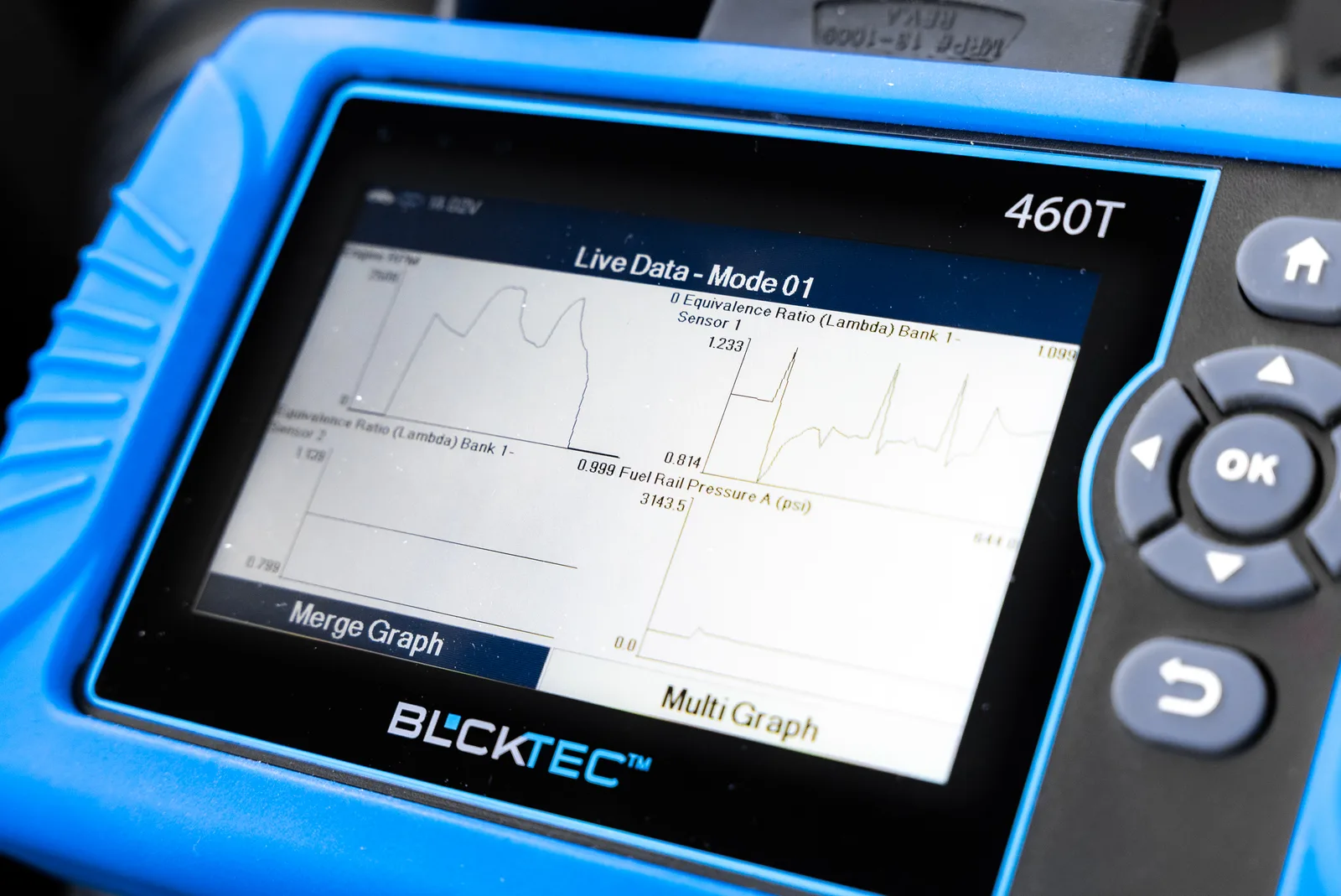
Most Common Reasons Your Check Engine Light Came On
Not all check engine lights point to expensive repairs. In fact, the most common culprits are simple fixes.
- Loose, missing, or damaged gas cap. This is the number one reason the check engine light turns on. When your gas cap isn't sealed properly, fuel vapors escape, and your car's system detects it. Solution: check your cap. If it's loose, tighten it. If it's cracked or missing, replace it. Then drive a few miles. The light may turn off on its own.
- Aging or faulty oxygen (O2) sensor. Your vehicle's O2 sensor monitors how much unburned oxygen is in the exhaust. When it fails, the light comes on. This sensor typically needs replacement, and it's a common job mechanics charge for.
- Other emissions system issues. Your car's emissions system is complex. A loose hose, a failing catalytic converter, or a problem with the evaporative emission control system can all trigger the light.
The point: some of these you can fix yourself. Others need a mechanic. But you won't know which is which until you read the code.
How to Check Your Gas Cap First (The Free Fix)
Before you worry, do this:
- Open your fuel door.
- Look at your gas cap. Is it loose? Cracked? Missing?
- If it's loose, tighten it firmly until you hear or feel a click.
- Drive your car for 50-100 miles with the cap fixed or replaced.
In many cases, your car's system will clear the fault code on its own once the issue is resolved. Your check engine light may turn off after a few days of normal driving.
If the light stays on after checking and tightening your gas cap, it's time to read the diagnostic code.
Reading the Code: The Real Answer
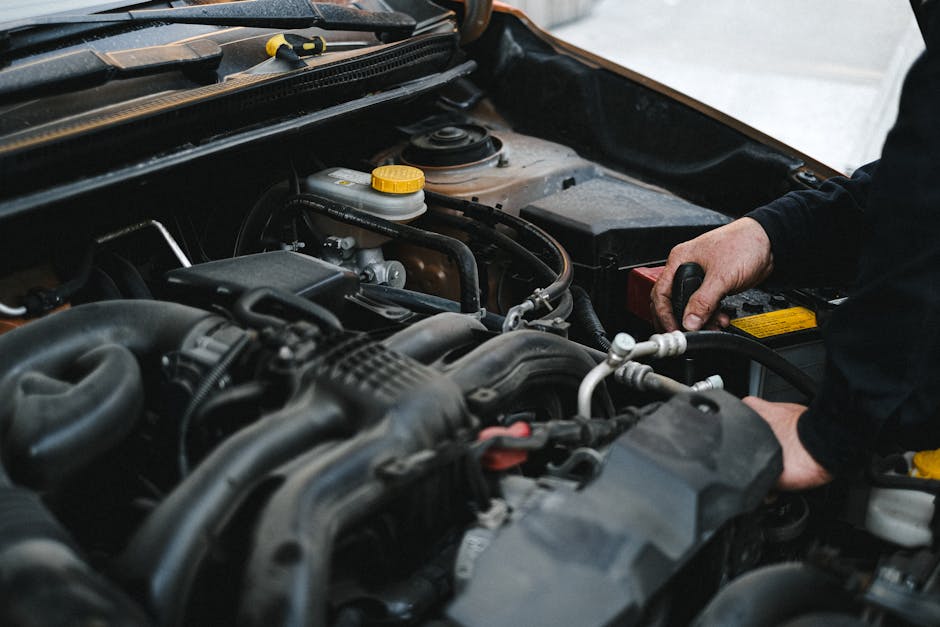
Your vehicle's onboard computer stores a specific trouble code that tells you exactly what went wrong. You need to read that code to know what to do next.
There are two ways to do this:
- Take it to a mechanic. They'll plug in a scanner, pull the code, and charge you for the privilege. You'll find out what's wrong, but you'll also have already committed to paying their labor rates if you want it fixed.
- Read it yourself. A diagnostic scanner plugs into your vehicle's OBD-II port (a small socket under the steering column, easily accessible) and reads the code in seconds. BLCKTEC diagnostic scanners make this straightforward. You get the code, you understand what it means, and you decide your next move.
Once you have the code, you can decide whether to tackle it yourself, get a second opinion, or take it to a trusted mechanic knowing exactly what needs repair.
Should You Drive With the Check Engine Light On?
An unblinking check engine light is not a critical emergency. It means a fault has been detected, but your vehicle is still drivable. You're not in immediate danger.
That said, don't ignore it. Address it within a few days. Here's why:
- Small problems can become expensive ones. An aging O2 sensor that's detected early is cheaper to replace than waiting until it damages your catalytic converter.
- Your vehicle may be running less efficiently, which wastes fuel.
- You want to know what's happening under the hood, not drive around hoping it goes away.
A blinking check engine light, on the other hand, signals a more serious issue (like engine misfires). If yours is blinking, drive gently to a mechanic or diagnostic facility right away.
Why a Diagnostic Scanner Saves You Money and Stress
When you read the code yourself, you're in control of the conversation with your mechanic.
Instead of saying "My check engine light is on. What's wrong?", you can say "My scanner shows code P0128. What does that mean, and how much to fix it?" Suddenly, you're not relying on the mechanic's diagnosis alone. You have information. You can shop around. You can even decide to handle some repairs yourself if you're comfortable doing so.
That's the real value of a scanner. It's not just a tool. It's leverage. It gives you transparency and confidence in your own vehicle.
Your Next Step

If your check engine light is on, start here:
- Check your gas cap. Tighten or replace if needed.
- Drive for a few days and see if the light turns off.
- If it stays on, get a BLCKTEC scanner to read the code. You'll have the exact information you need to make the next decision.
- Use that code to talk to a mechanic, research the repair, or handle it yourself.
You've got this. A check engine light is annoying, but it's not a mystery. It's solvable.
Avoiding Future Check Engine Lights
Once you've dealt with this one, keep your emissions system healthy:
- Check your gas cap regularly. Make sure it's tight and undamaged.
- Follow your vehicle's maintenance schedule. Regular service catches problems early.
- Use quality fuel and don't ignore other warning signs (rough idling, poor fuel economy, strange smells).
- Keep a diagnostic scanner handy. If another light comes on, you'll know what to do immediately.
Many car owners keep a scanner in their glove box for exactly this reason. It's cheap insurance against paying for diagnostics you could do yourself.
What if the light comes back after I clear it?
If you clear the code and it returns within a few days or weeks, the underlying problem isn't fixed. The fault will keep coming back. This means the issue needs actual repair, not just clearing. Use the code to guide your repair decision.
Can I ignore the check engine light if my car runs fine?
Your car might run fine today, but the problem it's detecting could get worse. An emissions issue that seems minor now could damage your catalytic converter and cost thousands later. Don't ignore it. Read the code and address it promptly.
Is there a difference between a blinking and a steady check engine light?
Yes. A steady light means a fault has been detected, but your engine is running normally. A blinking light indicates a serious problem like engine misfires or multiple cylinders misfiring. If yours is blinking, drive carefully to a mechanic or repair facility right away.
Can a loose gas cap really cause the check engine light?
Absolutely. Your vehicle's emissions system is designed to be sealed. When the gas cap is loose or missing, fuel vapors escape, and your car detects it as a leak. This is one of the most common reasons the light comes on, and it's one of the easiest to fix.
Looking for an OBD2 Scanner?
Explore BLCKTEC →