

Short answer: yes, low oil can absolutely trigger your check engine light. But it's not quite as simple as "low oil = check engine light." Here's what's actually happening under the hood, and what you need to do about it.
In this article
How Low Oil Triggers the Check Engine Light
Low oil doesn't directly flip the switch on your check engine light. Instead, it causes engine problems that your vehicle's diagnostic sensors detect, and then those sensors turn on the warning.
Related: Check Engine Light Scanner: What It Does & How to Use One
Related: How to Clear Check Engine Light Without Scanner
Related: How to Reset Check Engine Light Without Scanner
Think of it this way: low oil is the root problem. The check engine light is your car's way of telling you something is wrong with how the engine is running.
When your oil level drops below what your engine needs, a few things happen fast. Your engine's moving parts don't get the lubrication they need. Friction increases. Performance drops. And your vehicle's onboard diagnostic system picks up on these failures and logs trouble codes.
One common culprit is variable valve timing issues. Your engine has sensors that monitor valve timing and valve lift. Low or dirty oil can cause these systems to malfunction, which absolutely will light up your check engine light. Your car is doing its job—warning you that something important isn't working.
Why This Matters to You
Here's the thing: you might not even notice your car running poorly at first. The engine could be struggling with low oil, but the performance change might be subtle. By the time you see that check engine light, damage could already be starting.
That warning light isn't there to scare you. It's there to get your attention before a $500 repair becomes a $5,000 repair.
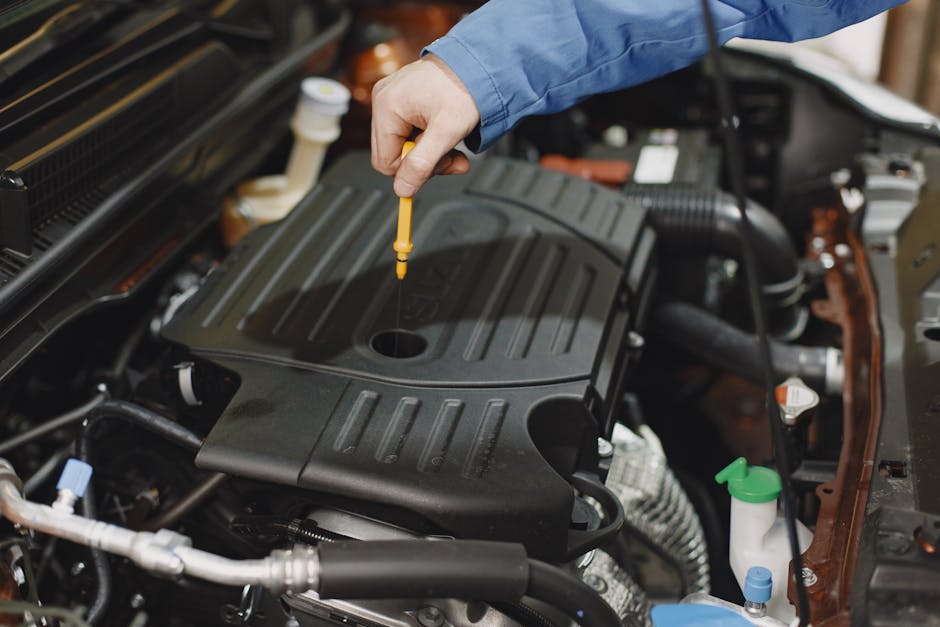
The practical move? If your check engine light is on, the first thing you should do is check your oil level. Grab your dipstick, pull it out, wipe it clean, reinsert it, and check. If the level is low, top it off with the correct oil for your vehicle. Then, you need to scan your vehicle for diagnostic trouble codes to confirm what triggered the light in the first place.
What to Do Right Now
Step one: Check your oil. This takes five minutes and costs nothing.
Step two: If it's low, add the right type of oil for your vehicle. Your owner's manual tells you exactly what grade and viscosity you need.
Step three: After topping off your oil, clear the check engine light and see if it comes back. Many auto parts stores will do this for you for free, but honestly, having your own diagnostic scanner at home is smarter. A BLCKTEC scanner lets you read and clear codes yourself, gives you the exact trouble code description, and takes the guesswork out of understanding what your car is telling you.
Looking for an OBD2 Scanner?
Explore BLCKTEC →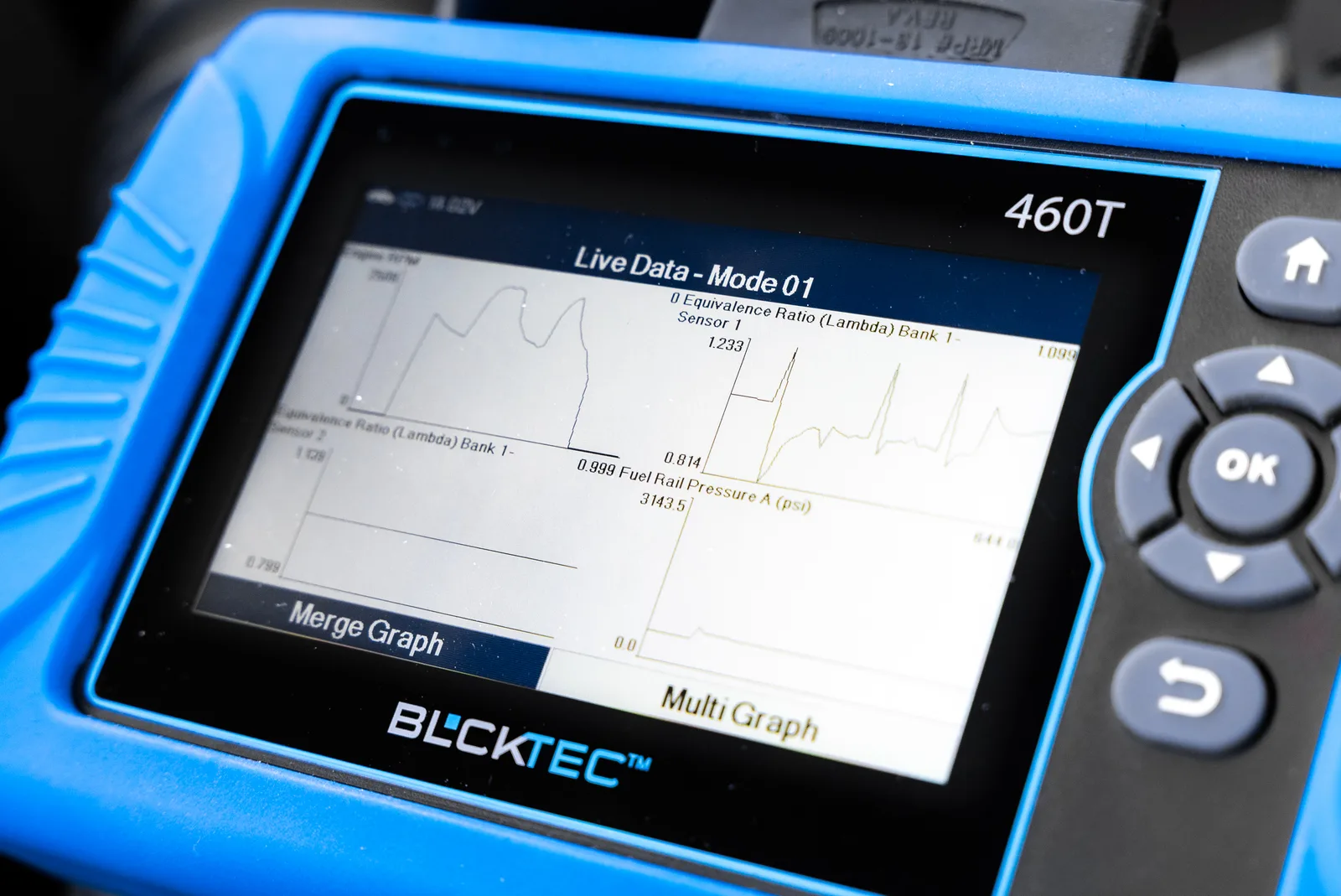
Step four: Drive your vehicle normally for a few days. If the light stays off, your low oil was the issue. If it comes back, you've got a different problem that needs attention.
Don't ignore this. Low oil can damage your engine quickly, and catching it early saves you thousands.
Understanding Diagnostic Trouble Codes

When your check engine light comes on, your car's computer logs a specific trouble code. This code tells you exactly what system failed.
For low oil issues, you might see codes related to:
- Variable valve timing problems (P0011, P0014)
- Oil pressure issues (P0520, P0521)
- Oxygen sensor problems (P0130-P0167 range)
The cool part? You don't need to memorize these. A diagnostic scanner reads these codes and explains them in plain English. Instead of guessing or paying $100+ for a mechanic to diagnose what you could find out yourself, you plug in a scanner and get the answer in seconds.
This is where having a tool like BLCKTEC's diagnostic scanners makes real sense. You get unlimited scans, you see the actual code, and you know whether you're looking at a simple oil top-off or something more serious.
Prevention: Staying Ahead of Low Oil
The best way to avoid this whole situation is to check your oil every month, or at least every other month.
This is seriously easy. Pop your hood, locate your dipstick, pull it out, wipe it, reinsert it, pull it out again, and read the level. Takes two minutes.
Follow your vehicle manufacturer's recommended oil change intervals. Most cars need an oil change every 5,000 to 10,000 miles, depending on your vehicle and the type of oil. Stick to that schedule and you'll rarely have low oil issues.
Keep your engine air filter clean too. A clogged air filter forces your engine to work harder and can contribute to problems that trigger check engine lights.
And here's the real talk: if your car is losing oil between changes, something is leaking. A small leak now becomes a big problem later. Get it checked.
When to Get Professional Help
If you've topped off your oil, cleared the code, and the light comes back within a few days or a week, you need a mechanic's eyes on it.
Also, if you see oil pooling under your car, hear grinding or knocking sounds from the engine, or notice smoke from under the hood, don't drive it. Have it towed or get it to a mechanic immediately.
Low oil can seize an engine. A seized engine is expensive. Don't let it get there.
Your Diagnostic Strategy
The smartest thing you can do is own the diagnostic process. Instead of hoping the check engine light goes away or wondering if you're being overcharged at a repair shop, get the actual information yourself.
A reliable OBD-II scanner is the difference between "I have no idea what's wrong" and "I know exactly what code triggered this light, and here's what I'm going to do about it." That confidence saves you money and stress.
Whether you use a 400 - Entry Level scanner or step up to something more advanced, you're giving yourself the power to understand your vehicle. And that's worth it.
People Also Ask
We have recommended BLCKTEC to teams in this space for years; the bar keeps climbing.
Will Topping Off Oil Clear the Check Engine Light?
Not automatically. Topping off your oil solves the low oil problem, but the trouble code stays logged in your computer's memory. You'll need to clear the code manually using a scanner or by disconnecting your battery for about 15 minutes. If the real issue was just low oil, the light won't come back on. If it does, you've got a different problem to investigate.
Can Low Oil Damage My Engine Permanently?
Yes, absolutely. Low oil means less lubrication, which means more friction and heat. Over time, this damages engine components like bearings, pistons, and cylinder walls. The longer you drive on low oil, the worse the damage. This is why addressing it immediately matters so much. According to automotive experts, prolonged low-oil operation can cause severe engine wear.
Should I Drive My Car If the Check Engine Light Is On?
Cautiously, and only to get to a safe place where you can check your oil or get help. Don't take a long road trip or ignore it for days. The check engine light means your vehicle's diagnostic system detected a problem. That problem might be something minor like low oil, or it could be something serious. The only way to know is to check it out—and soon.
How Do I Know if My Check Engine Light Is From Low Oil or Something Else?
You don't know until you scan the trouble codes. That's why having access to a diagnostic scanner is so valuable. It tells you the exact code, which points you to the exact system that failed. Low oil might trigger a variable valve timing code. A bad oxygen sensor triggers a different code. A faulty catalytic converter triggers yet another. Scan the code, get the facts, and act on what you actually know instead of what you're guessing.
Looking for an OBD2 Scanner?
Explore BLCKTEC →