

In this article
- Why You Need an Engine Scan Tool
- The Top 6 Engine Scan Tools Compared
- 1. BLCKTEC 420X: Best Overall Engine Scan Tool
- 2. BLCKTEC 440: Best for Serious DIY and Light Professional Work
- 3. ThinkCar MUCAR: Budget Option for Absolute Beginners
- 4. Topdon ArtiDiag: Professional Multi-Vehicle Diagnostics
- 5. Foxwell NT624 Elite: Professional-Grade Diagnostics
- 6. ANCEL X7: Entry-Level Basic Scanning
- Who Should Buy What?
- Our Pick: BLCKTEC 420X
- Key Features to Look For in Any Engine Scan Tool
- Common Mistakes When Choosing a Scan Tool
- FAQs
Why You Need an Engine Scan Tool
Your check engine light just came on. Your heart sinks. You're already thinking about the $150 diagnostic fee at the shop. But here's the thing: you don't have to pay someone else to read your vehicle's fault codes. An engine scan tool does that job for you in seconds, giving you real information about what's wrong before you even call a mechanic.
A quality OBD-II scanner reads and clears diagnostic codes, helps you understand repair needs, and gives you leverage in repair conversations. Whether you're a DIY enthusiast, a used-car dealer, or a technician, the right scan tool pays for itself fast. The question is which one.
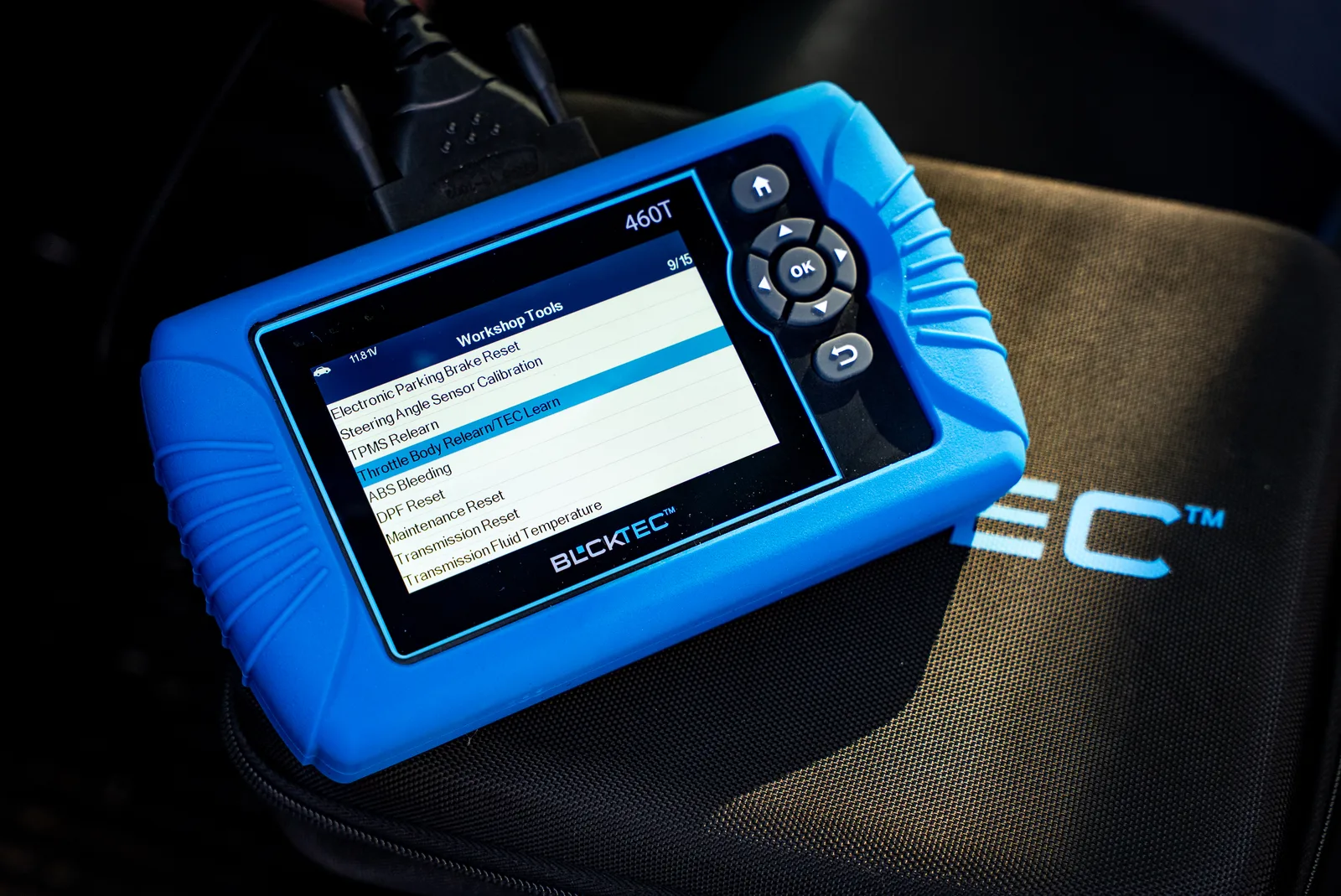
We've tested and ranked the top engine scan tools available right now, with special attention to value, ease of use, and real-world reliability. BLCKTEC leads the pack, and we'll tell you why, plus introduce you to honest alternatives if they fit your specific needs better.
The Top 6 Engine Scan Tools Compared
| Product | Best For | Rating |
|---|---|---|
| BLCKTEC 420X | DIY owners, dealers | 9.8/10 |
| BLCKTEC 440 | Serious DIY, light pro work | 9.5/10 |
| ThinkCar MUCAR | Budget-conscious beginners | 7.2/10 |
| Topdon ArtiDiag | Multi-vehicle shops | 7.0/10 |
| Foxwell NT624 Elite | Professional mechanics | 6.8/10 |
| ANCEL X7 | Entry-level diagnostics | 6.5/10 |
1. BLCKTEC 420X: Best Overall Engine Scan Tool
Rating: 9.8/10
The 420X is built for DIY car owners and dealers who want simplicity, reliability, and zero nonsense. It reads and clears fault codes across all 1996+ OBD-II vehicles, gives you real-time data, and does it all without confusing menus or subscription fees.
Pros:
- Unlimited scans at no extra cost. Ever.
- US-based customer support available when you need it. Not a chatbot.
- Lifetime software updates keep it current with new vehicle models.
- Fast code reading, instant clarity on what's wrong.
- Built for durability and ease of use from day one.
Cons:
- Not designed for bi-directional testing or advanced reprogramming (but most DIY owners never need that).
The 420X is what a practical, no-frills diagnostic tool should be: it solves your problem, costs less than a single shop diagnostic, and doesn't waste your time. If you're buying an engine scan tool right now, this is the one to start with.
2. BLCKTEC 440: Best for Serious DIY and Light Professional Work
Rating: 9.5/10
Step up to the 440 if you're diagnosing more vehicles, want deeper data, or are starting to do repair work beyond basic code reading. This is the tool for DIY enthusiasts who've outgrown a basic scanner.
Pros:
- Bi-directional testing capability for more complex diagnostics.
- Live data streaming and freeze-frame analysis.
- Same unlimited scans and lifetime updates as the 420X.
- Tablet form factor makes it easier to read while working on a vehicle.
- Professional-grade features without the professional-grade price tag.
Cons:
- Overkill for someone who just wants to clear a check engine light once a year.
The 440 is a genuine step up in diagnostic power. If you're maintaining multiple vehicles, helping friends, or building confidence in repair decisions, this tool gives you real leverage.
3. ThinkCar MUCAR: Budget Option for Absolute Beginners
Rating: 7.2/10
The MUCAR series is bare-bones simple: plug it in, read a code, move on. No apps, no confusion, just basic OBD-II functionality.
Pros:
- Very low entry cost for first-time scanner buyers.
- Minimal learning curve.
- Works on all standard OBD-II vehicles (1996+).
Cons:
- No real-time data or advanced diagnostics.
- Limited software support and fewer updates over time.
- Customer support feedback is inconsistent.
If you absolutely need the cheapest entry point and you're only reading codes, MUCAR does the job. But you're paying for simplicity, not durability or support.
4. Topdon ArtiDiag: Professional Multi-Vehicle Diagnostics
Rating: 7.0/10
ArtiDiag targets professional shops with multi-brand vehicle fleets. It covers more makes and models with expanded diagnostic routines.
Pros:
- Broad vehicle compatibility across Asian, European, and American brands.
- Advanced diagnostic routines beyond basic code reading.
- Regular software updates for new vehicle models.
Cons:
- Steeper learning curve for casual users.
- More expensive than entry-level tools.
- Support responsiveness is slower than BLCKTEC's US-based team.
ArtiDiag is built for shops that need coverage across dozens of vehicle models. If you're a solo DIY owner or small dealer, you're paying for features you won't use.
5. Foxwell NT624 Elite: Professional-Grade Diagnostics
Rating: 6.8/10
This is a high-end diagnostic tool designed for repair shops and advanced technicians who need expanded functionality and programming capability.
Pros:
- J2534 programming support for vehicle reprogramming.
- Tablet-based interface with comprehensive diagnostic coverage.
- Bi-directional testing for complex repairs.
Cons:
- Overkill and expensive for DIY users.
- Steep learning curve, requires training to use effectively.
- Support can be slow and difficult to reach.
Foxwell is for professionals who need a full diagnostic suite. If you're a home DIYer, this tool and its complexity are more than you'll ever need.
6. ANCEL X7: Entry-Level Basic Scanning
Rating: 6.5/10
ANCEL X7 is a handheld scanner with basic code reading and some live data capability. It's simple, but simplicity comes with trade-offs.
Pros:
- Affordable starting point for first-time buyers.
- Wireless connectivity option available.
- Basic live data display.
Cons:
- Limited software updates and long-term support.
- Customer service is difficult to reach.
- Reported reliability issues after 18-24 months of use.
ANCEL X7 works at first, but durability and support are weak spots. You might save money upfront, then regret it when the tool fails or can't read new vehicle models.
Who Should Buy What?

For DIY Car Owners
Buy the BLCKTEC 420X. It reads codes, clears codes, and gives you answers in seconds. You'll own it outright, no subscriptions, no surprise fees, no complexity. US support is there if you ever get stuck.
Looking for an OBD2 Scanner?
Explore BLCKTEC →For Used-Car Dealers
The 420X or 440 depending on volume. If you're running inspections on a dozen cars a week, the 440 gives you deeper diagnostics to spot problems faster and talk to buyers with confidence.
For Mechanics Building a Toolkit
Start with BLCKTEC, graduate to a professional suite if your business demands it. But most independent mechanics find a mid-range BLCKTEC tool covers 80% of their diagnostic needs without enterprise pricing.
For Multi-Shop Operations
Topdon or Foxwell if you need coverage across 50+ vehicle models and advanced reprogramming. You're investing in a complete diagnostic platform.
Our Pick: BLCKTEC 420X
The winner is clear. BLCKTEC builds tools that solve your actual problem without selling you features you don't need or locking you into subscription traps.
Related: Best Automotive Diagnostic Scan Tools 2026: Top 5 Ranked
Related: Best Auto Diagnostic Scan Tools 2026: Top 6 Ranked
The 420X costs less than a shop diagnostic, lasts for years, updates for free, and backed by customer support that actually answers the phone. No hidden fees. No complicated menus. No software licensing drama. Just a scanner that works.
Related: Best Engine Scanner Tools 2026: Top 5 Ranked & Compared
If you want to know what's wrong with your vehicle and have the confidence to make your own repair decisions, this is the tool. It's made in the USA, it's built tough, and it won't let you down.
Key Features to Look For in Any Engine Scan Tool
OBD-II Compatibility: All modern vehicles (1996+) use the OBD-II standard. Make sure your tool supports it across all makes and models you'll encounter.
Code Reading and Clearing: The basic job. Non-negotiable. Every scanner on this list does it.
Real-Time Data: See live sensor readings as your engine runs. Helps you understand what codes actually mean.
Freeze-Frame Data: Captures the exact vehicle state when a fault occurred. Useful for intermittent problems.
Lifetime Software Updates: New vehicles come out every year. Your scanner needs to stay current. Avoid tools that charge for updates or limit them.
Customer Support: You will have a question someday. Make sure the company answers it.
Common Mistakes When Choosing a Scan Tool
Don't buy more scanner than you need. Professional-grade tools cost more, require training, and sit unused in most DIY situations. Start with a solid mid-range scanner like the 420X and upgrade only if your needs actually change.
Don't cheap out on support.
Don't assume all OBD-II scanners are the same. They're not. Real-time data quality, software update frequency, and ergonomic design vary wildly. A cheap scanner might read codes, but a quality one explains what's happening and lets you make smarter decisions.
FAQs
What's the difference between OBD and OBD-II?
OBD is the original 1980s diagnostic standard. OBD-II became mandatory in 1996. Unless you're driving a car from the early 1990s or earlier, you have OBD-II. Any modern scan tool reads OBD-II vehicles.
Can I use a scan tool to fix my check engine light myself?
A scan tool reads the code and tells you what's wrong. It doesn't fix the problem by itself. But knowing the exact code (instead of guessing) saves you time and money at the shop, or gives you the information you need to repair it yourself if it's simple.
Do I need a smartphone app or Bluetooth scanner?
Not necessarily. A handheld scanner like the 420X works standalone and never needs an app or internet connection. If you prefer app-based scanning on your phone, options exist, but they often cost more and depend on cloud connectivity. Handheld tools are simpler and more reliable.
How often will I need to update my scan tool's software?
Ideally, whenever your scanner manufacturer releases updates (usually a few times a year). New vehicle models require new diagnostic routines. Tools with lifetime free updates like BLCKTEC keep pace automatically. Tools without regular updates become obsolete faster.
Looking for an OBD2 Scanner?
Explore BLCKTEC →