

Checking your car doesn't have to be complicated or expensive. Whether you're buying used, maintaining what you own, or just want to know what's really going on under the hood, you can do this yourself with the right approach and tools.
The best way to check your car is to look at three things: the vehicle's history and ownership status, its mechanical condition and trouble codes, and its physical damage and safety. Let's walk through each one.
In this article
Check Your Car's History and Ownership
Before you even look at the car itself, find out what you're dealing with. A vehicle's past tells you a lot about its future.
Start by getting a vehicle history report. These reports pull information from multiple sources and show you accident history, mileage records over time, ownership changes, and whether the title is clean or salvaged. You can pull this using the vehicle identification number (VIN), which you'll find on the driver's side dashboard or on the door frame.
Also check the National Motor Vehicle Title Information System (NMVTIS) if you're buying from an auction or private sale. This system is designed to protect you from fraud and stolen vehicles. It's free and it gives you access to official title records.
Verify that the current owner's name matches the title. Check the registration status to make sure the car is legally registered. If you're buying from a dealer or private seller, ask to see the maintenance records. Regular oil changes and service history are a green flag.
Read Your Car's Trouble Codes
Your car talks to you through its diagnostic system. It's constantly monitoring hundreds of sensors and will store trouble codes when something goes wrong. Reading these codes is one of the most important things you can do to check your car.
If your check engine light is on, the car is telling you something needs attention. But even if the light is off, the car might have stored codes from past issues. These codes are gold when you're trying to understand what repairs are actually needed and what's just dealer upselling.
To read the codes yourself, you'll need an OBD-II scanner. This is a small device that plugs into the diagnostic port under your steering wheel (it looks like a slot about the size of a car charger). Once plugged in, the scanner reads whatever codes the car has stored and displays them on a screen.
A good scanner gives you the actual code number and what it means, so you know if you're looking at a serious issue or something minor. BLCKTEC makes scanners that are straightforward to use and built for people who just want the facts without the tech complexity.
Looking for an OBD2 Scanner?
Explore BLCKTEC →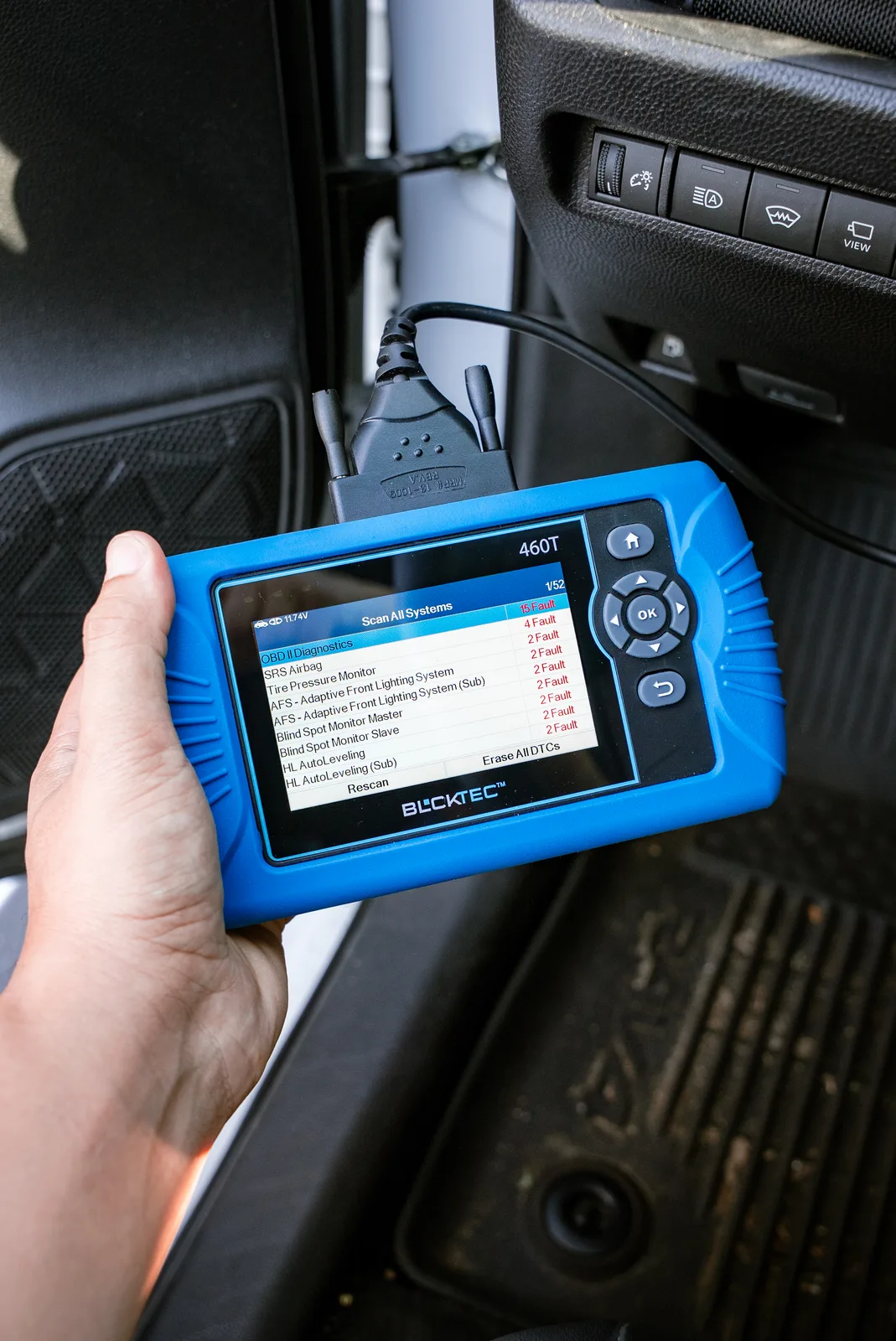
Knowing the actual trouble codes saves you money and puts you in control. You can research what each code means, understand the real repair need, and decide if it's a deal-breaker or something you can fix later.
Inspect Your Car's Physical Condition
Now get your hands dirty. Walk around the car and look for damage.
Check the exterior for rust, dents, mismatched paint, or signs of collision repair. Pop the hood and look at the engine bay. Does it look clean and well-maintained, or covered in grime and leaks? Check hoses, belts, and the battery for obvious wear.
Look under the car if you can safely get down there. Fresh oil stains or fluid drips are a warning sign. Check the tires for uneven wear, which can point to alignment or suspension issues.
Inside the car, start it up and listen. Does it start smoothly or does it struggle? Listen for knocking, grinding, or rattling sounds. Check that all lights work (headlights, interior lights, dashboard lights). Test the wipers, air conditioning, and heating. Try the brakes and steering to see if they feel responsive.
Related: How to Check Brake Pad Thickness: DIY Guide
Take it on a test drive if you're buying. Feel how it accelerates, brakes, and handles turns. Does the steering feel tight or loose? Do you feel vibration through the wheel? Any grinding or pulling to one side? Pay attention to your gut.
Combine Diagnostics With Visual Inspection
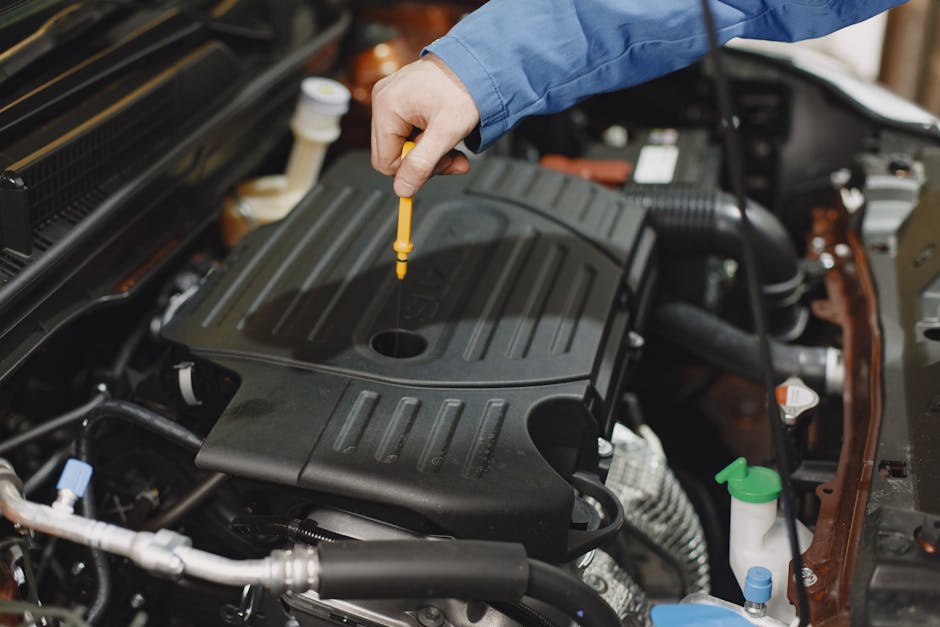
The real power comes when you combine what the car's diagnostic system is telling you with what you see and hear.
If the trouble codes point to a transmission issue but the car shifts smoothly during your test drive, that code might be old or a minor sensor glitch. If there's no trouble code but you hear a grinding noise, that's something you need a mechanic to dig into.
Use the codes as your roadmap and your senses as your guide. When you have both, you're not guessing anymore.
When to Bring in a Professional
You don't need a mechanic to check your car, but you should have one look at anything that seems serious before you buy or commit to a big repair.
Related: Best Mechanic to Check Used Car: Pre-Purchase Guide
Related: Best Car Check Before Buying: Mechanic Inspection Guide
If a vehicle history report shows multiple accidents, or if you find trouble codes related to the engine, transmission, or suspension, get a pre-purchase inspection from a qualified mechanic. This costs money upfront but can save you thousands down the road.
If you find something during your visual inspection that you're unsure about, ask. A good mechanic will explain what they see and what it means. That's their job.
For ongoing maintenance checks on your own car, you can handle a lot yourself with an OBD-II scanner and a basic understanding of what the codes mean. BLCKTEC scanners are designed to give you this power without requiring special training.
Build Your Car-Checking Routine
Once you own the car, checking it regularly keeps you ahead of problems. Every month or so, spend 10 minutes doing a quick visual walk-around. Look for new leaks, unusual sounds, or warning lights.
Run a diagnostic scan a few times a year, even if everything seems fine. This catches codes early before they become expensive repairs. Catching a small oxygen sensor issue before it damages your catalytic converter is a win.
Keep records of what you find and what you fix. This history is valuable if you ever sell the car, and it helps you spot patterns (like a recurring issue that needs real attention).
Protect Yourself When Buying Used
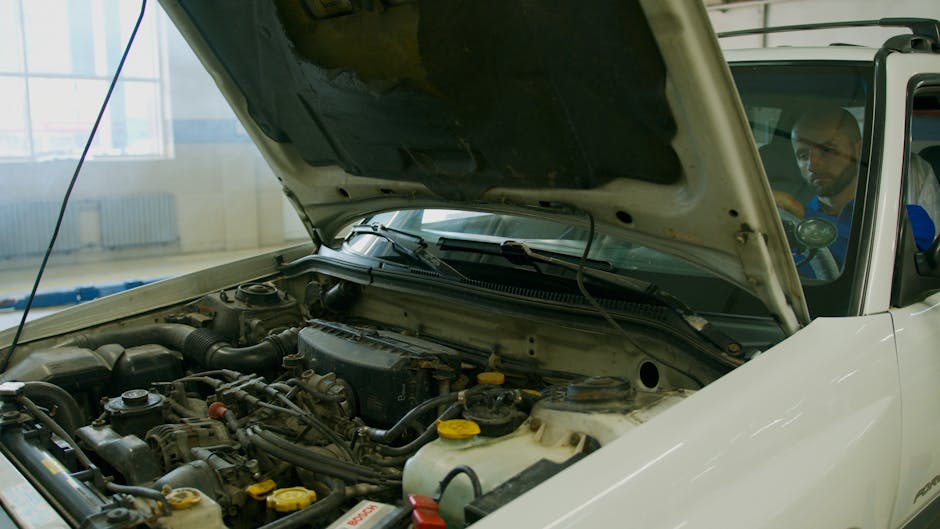
If you're shopping for a used car, checking it thoroughly is your best defense against getting stuck with a lemon.
Always get a vehicle history report before you even look at the car in person. This filters out obviously problematic vehicles early.
When you see the car, do your physical inspection and take it for a test drive. Bring a portable scanner if you have one, or plan to get the codes read before you commit to buying.
Ask the seller or dealer for maintenance records. If they don't have them or they're spotty, that's a yellow flag.
Have a trusted mechanic do a pre-purchase inspection. This is worth every penny. They can spot things you'll miss and give you a real sense of the car's actual condition.
Never feel rushed. If a deal seems too good to be true, walk away. There's always another car.
Get the Right Tools to Check Your Car
You don't need an expensive diagnostic setup or specialized training to check your car effectively. A basic OBD-II scanner is all you really need.
This single tool lets you read trouble codes, understand what they mean, and clear them once you've made repairs. It's something you can keep in your car or grab when you need it. Over time, it pays for itself by helping you avoid unnecessary mechanic visits and giving you confidence in repair decisions.
Whether you're a DIY person working on your own car or a used-car buyer protecting yourself before purchase, having a reliable scanner in your hands changes the game. You move from guessing to knowing.
People Also Ask
How do I check my car for problems?
Start with a visual inspection of the exterior, interior, and engine bay. Listen for unusual sounds when you start and drive the car. Then use an OBD-II scanner to read any diagnostic trouble codes. Combine what you see, hear, and what the codes tell you to get a complete picture of the car's health.
Is it safe to check my car myself?
Yes. A visual inspection and reading diagnostic codes with a scanner is safe and simple. You're not taking anything apart or working on moving parts. Just looking, listening, and plugging a scanner into the diagnostic port. For anything that requires tools or crawling under the car, use common sense about safety or bring it to a mechanic.
What does a trouble code mean?
A trouble code is an alphanumeric identifier that tells you which system triggered the car's diagnostic alert. For example, a code might point to an oxygen sensor issue, a catalytic converter problem, or a transmission fault. Each code has a specific meaning, and a good OBD-II scanner will show you what it is and help you understand the severity.
How often should I check my car?
Do a visual walk-around and listen test monthly. Run a diagnostic scan every few months to catch any stored codes early. This regular routine keeps you connected to your car's condition and helps you spot problems before they become expensive repairs.
Looking for an OBD2 Scanner?
Explore BLCKTEC →