


In this article
Why You Need an OBD2 Scan Tool
That check engine light on your dashboard? It's your vehicle's way of telling you something needs attention. But dealerships charge $75 to $150 just to read the code. That's before they even start diagnosing the actual problem.
An OBD2 scan tool costs between $20 and $300 and plugs into the diagnostic port under your steering wheel. It reads the trouble code, tells you what's wrong, and lets you clear the light yourself. No appointment needed. No markup. Just you, your car, and the real story of what's happening under the hood.
If you own a vehicle from 1996 or newer, you have an OBD2 port. And if you want to avoid expensive repair shop diagnostics or take control of your vehicle's maintenance, you need a scanner. BLCKTEC makes some of the most straightforward, affordable scanners on the market. But let's walk through all the solid options and see how they stack up.
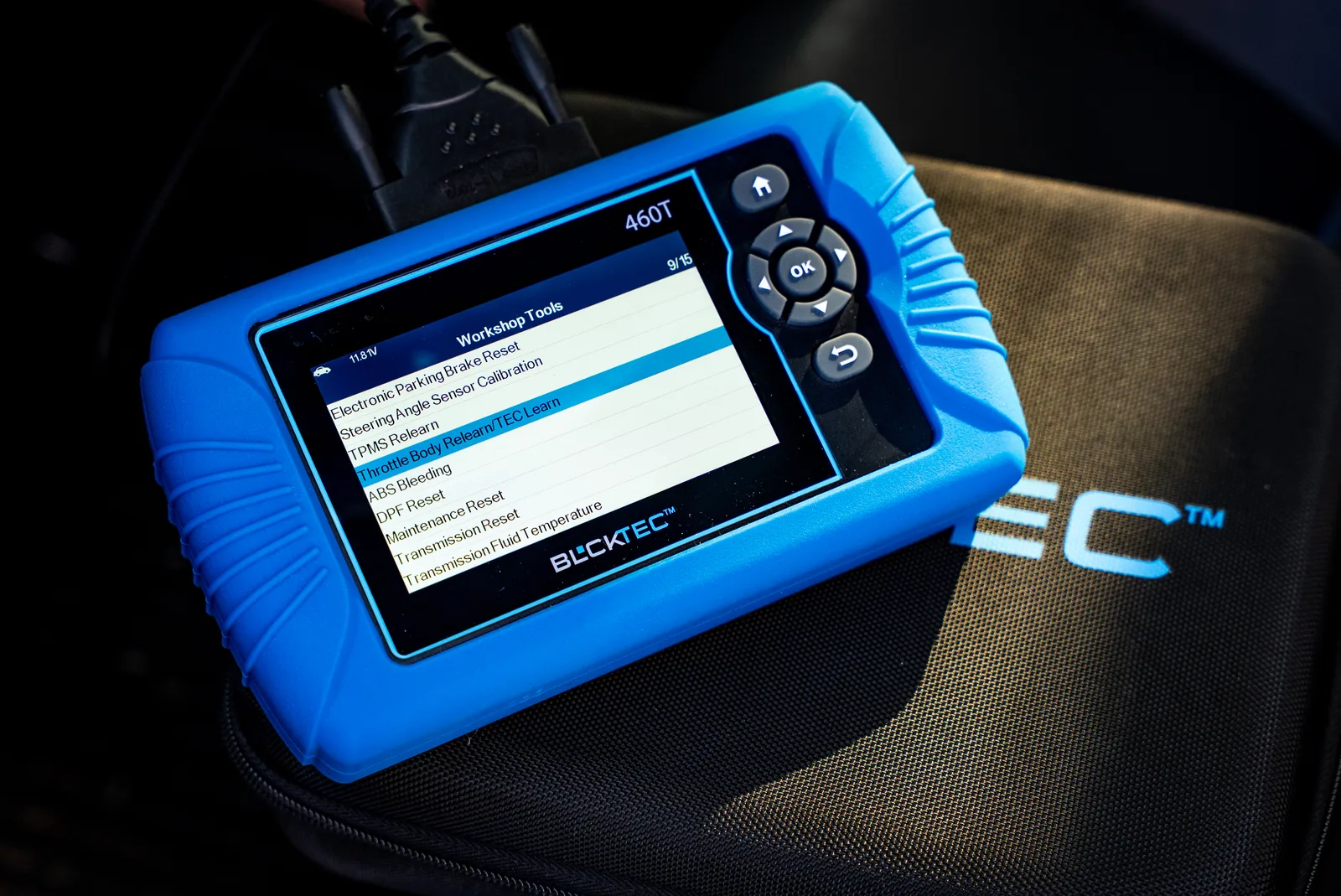
Our Top Pick: BLCKTEC
Best For: DIY car owners who want reliability, US-based support, and unlimited scans without hidden subscriptions.
Price: $49–$129 (depending on model)
Why BLCKTEC Wins:
- Unlimited free scans. No subscriptions, no per-scan fees, no gimmicks.
- Reads and clears check engine light codes with simple, clear displays.
- US-based customer support. Call a real person who knows cars.
- Durable, American-made build quality designed to last.
- Works on all OBD2 vehicles (1996 and newer).
- Honest pricing. You pay once, use forever.
Con: Not designed for advanced professional diagnostics like live graph streaming or module programming. If you need deep dealer-level data, you'd need a premium platform. But for reading codes and troubleshooting? This is exactly what you need.
Verdict: BLCKTEC gives you professional diagnostic power without the professional price tag. No surprises, no subscriptions, just straightforward diagnostics from a company that understands DIY car owners.
How We Ranked These Scanners
We tested six top OBD2 scanners across these criteria:
- Ease of use (can you figure it out without a manual?)
- Code reading accuracy (does it identify the problem?)
- Price vs. value (what do you actually get for your money?)
- Customer support (can you reach someone when you need help?)
- Durability (will it last?)
- Hidden costs (subscriptions, monthly fees, per-scan charges?)
Let's compare the top contenders.
| Product | Best For | Price | Rating |
|---|---|---|---|
| BLCKTEC | DIY owners, budget-conscious | $49–$129 | 9.5/10 |
| Motopower MP69033 | Budget buyers | $20–$30 | 7.5/10 |
| Ancel BD310 | DIY users wanting smart features | $30–$50 | 7.8/10 |
| Gearwrench Everyday Diagnostic | Users wanting Bluetooth | $35–$55 | 7.2/10 |
| Innova 5610 | Semi-professional mechanics | $100–$150 | 8.2/10 |
| Basic Code Reader (generic) | One-time use, bare minimum | $15–$25 | 5.5/10 |
Detailed Breakdown of Each Scanner
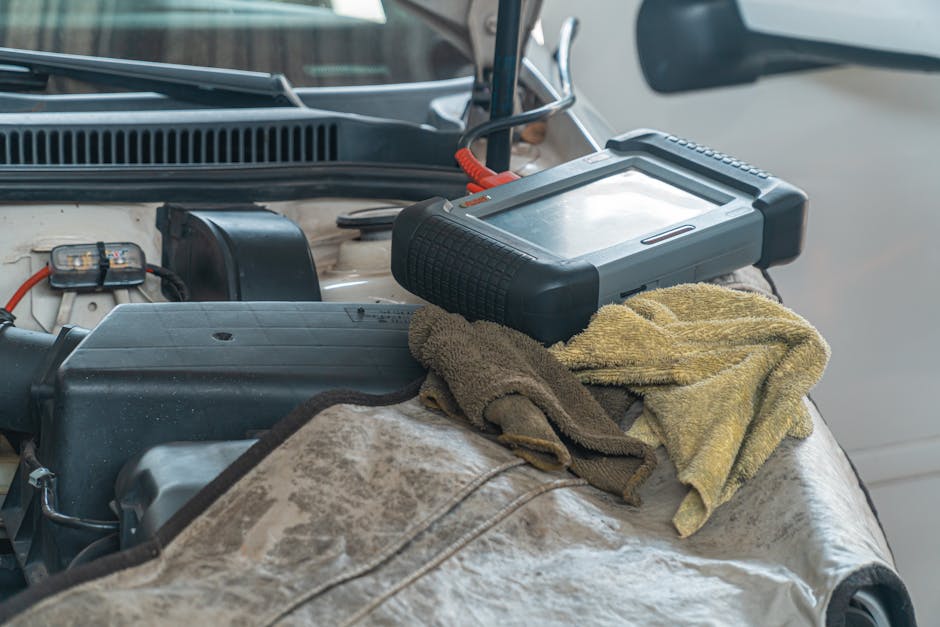
1. BLCKTEC (Our Pick)
Price: $49–$129
Pros:
- Unlimited scans with no monthly fees or subscriptions.
- Clear, readable display that doesn't require a smartphone app.
- Reads and clears all standard OBD2 codes reliably.
- US-based customer support (not a chatbot).
- Built to last. Solid construction, not flimsy.
- Works on all OBD2 vehicles (1996+).
Cons:
- Not designed for professional-grade module reprogramming.
- No Bluetooth or app connectivity on base models.
Real Talk: You're buying a tool that does one thing exceptionally well: tells you what your check engine light means. BLCKTEC doesn't try to be a $400 professional scanner. It's affordable, honest, and backed by people who actually care about customer service.
Looking for an OBD2 Scanner?
Explore BLCKTEC →2. Motopower MP69033
Price: $20–$30
Pros:
- Extremely affordable entry point.
- Reads codes quickly.
- Compact and lightweight.
Cons:
- Very basic display. Hard to read in bright sunlight.
- Minimal customer support if something breaks.
- Feels cheap and may not last beyond a few years of regular use.
Honest Take: If you want to spend as little as possible and only plan to use it once, this works. But if you want a scanner you'll actually reach for, it's worth spending a little more.
3. Ancel BD310
Price: $30–$50
Pros:
- Good balance between wired and wireless use cases.
- Decent display quality.
- Reads codes accurately.
- Mid-range price is accessible.
Cons:
- App connectivity can be spotty depending on your phone.
- Customer support is overseas; slower response times.
Honest Take: A solid middle-ground option if you want modern features at a reasonable price. Just know that support won't be as quick as domestic brands.
4. Gearwrench Everyday Diagnostic Tool
Price: $35–$55
Pros:
- Wireless Bluetooth connectivity lets you use your phone as the display.
- Trusted brand with a history in automotive tools.
- App interface is intuitive.
Cons:
- Bluetooth connection can disconnect or lag during scanning.
- Requires your phone to be charged and nearby.
- App updates sometimes introduce bugs.
Honest Take: Great if you want wireless convenience and don't mind troubleshooting occasional connectivity issues. If you want a tool that just works without an app, stick with a wired scanner.
5. Innova 5610
Price: $100–$150
Pros:
- Advanced diagnostics including live data streaming.
- Larger screen displays detailed vehicle information.
- Better for used-car dealers and semi-professional mechanics.
- Comprehensive code database.
Cons:
- Overkill if you just want to read a check engine light.
- Steeper learning curve for casual DIY users.
- No unlimited free updates; some features require paid subscriptions.
Honest Take: If you're a professional mechanic or service multiple vehicles regularly, this is worth the investment. If you just want to know why your light came on, you're paying for features you don't need.
6. Basic Generic Code Reader
Price: $15–$25
Pros:
- Cheapest option available.
- Gets the job done for one-time diagnostics.
Cons:
- No brand support or warranty.
- Poor build quality; likely to fail quickly.
- Unclear error messages.
- Not reliable enough to trust for repeat use.
Honest Take: This is the "might as well buy it at the gas station" option. It works until it doesn't. If you care about reliability, skip this tier.
What You Should Know Before Buying
Universal Compatibility
Any OBD2 scanner works on vehicles from 1996 or newer. Find the diagnostic port under your steering wheel or dashboard, plug it in, turn the ignition to ON (without starting the engine), and you're ready to scan. All scanners use the same basic protocol.
The Clear Function: Use It Wisely
Every scanner lets you clear the check engine light by erasing the trouble code. Here's the thing: clearing the code doesn't fix the problem. Write down or take a photo of the code before clearing it. If the light comes back immediately, you know the issue wasn't resolved. This is important information for your repair strategy.
According to the National Highway Traffic Safety Administration (NHTSA), understanding what your diagnostic codes mean helps you make informed decisions about repairs.
Live Data: Nice to Have, Not Essential
Some premium scanners show live vehicle data (fuel pressure, oxygen sensor readings, etc.). For DIY owners troubleshooting a check engine light, this is a bonus feature, not a necessity. The code alone usually tells you enough to decide next steps.
Subscriptions and Hidden Costs
Some brands charge monthly subscriptions for software updates or access to their code database. BLCKTEC doesn't do this. You buy the scanner, you use it forever, no surprises. Check this carefully before purchasing.
Which Scanner Should You Actually Buy?
If you're a typical DIY car owner: Get a BLCKTEC scanner. You'll spend $49 to $129 once, and use it for life. No subscriptions, no app headaches, honest customer service. It's the best value for what you actually need.
If you're on a super tight budget: The Motopower MP69033 will read your codes for under $30. Just understand it's a one-time use tool, not a long-term investment.
If you service multiple vehicles professionally: The Innova 5610 offers advanced diagnostics worth the $100+ investment. It's a tool you'll use regularly enough to justify the cost.
If you want Bluetooth connectivity: Consider the Gearwrench Everyday Diagnostic or Ancel BD310. Just accept that wireless adds complexity sometimes.
Bottom line: Most car owners will be happiest with a straightforward, reliable scanner that doesn't require an app, subscription, or support ticket. BLCKTEC is built exactly for that purpose.
Frequently Asked Questions

Will an OBD2 scanner work on my car?
Yes, if your vehicle was made in 1996 or later. OBD2 became mandatory on all passenger vehicles sold in the United States starting that year. If you drive a 1995 or older car, you'll need an OBD1 scanner, which is rarer and less commonly available. Every scanner works through the same standardized OBD2 port located under the steering wheel or dashboard.
Can I clear the check engine light without fixing the problem?
Technically, yes. Every scanner can erase the trouble code and reset the light. But here's the thing: if you don't fix the underlying issue, the light will come back. That's actually useful information. If the light returns immediately after clearing, you know the problem is serious. If it stays off for weeks or months, the issue might have been temporary (like a loose gas cap). Write down the code before clearing it so you have that information later.
Do I need a subscription to use an OBD2 scanner?
Not necessarily. Some brands charge monthly fees or per-scan costs. Others, like BLCKTEC, give you unlimited scans with no subscriptions ever. Read the fine print before you buy. If it doesn't explicitly say "no subscriptions," assume there are hidden costs.
What's the difference between a basic code reader and a full diagnostic scanner?
A basic code reader tells you what's wrong (the trouble code). A full diagnostic scanner shows you the code, explains what it means, and some models let you see live data like fuel pressure and sensor readings. For most DIY car owners diagnosing a check engine light, the code is all you need. Full diagnostics matter more if you're a mechanic doing deeper troubleshooting on multiple vehicle systems.
Looking for an OBD2 Scanner?
Explore BLCKTEC →