

You're standing in your driveway. Your check engine light just came on. You're thinking: do I really need to drop $150 at a shop just to find out what's wrong?
That's the moment when wireless OBD2 scanner reliability and range become real concerns. You need something that connects reliably from your car seat, stays connected while you drive, and gives you answers fast. Not a finicky dongle that drops the signal every thirty seconds or forces you to sit in the parking lot waiting for a Bluetooth handshake.
Here's what matters: a good wireless scanner should reach 20-30 feet reliably, maintain a stable connection even as you move around the vehicle, and start giving you data within seconds of plugging in. Budget options fail on all three counts. Professional-grade tools don't. And there's a real gap between them.
Let's cut through the noise and show you what actually works and why it matters for your wallet and your peace of mind.
In this article
- Why Wireless OBD2 Scanner Reliability Matters More Than You Think
- Understanding Range Specifications and What They Mean for You
- Reliability Factors That Actually Predict Long-Term Performance
- Wireless vs. Corded OBD2 Scanners: When Range Matters
- How to Test Wireless OBD2 Scanner Reliability Before You Commit
- Real-World Performance: What Owners Actually Report
- Making Your Choice: Wireless OBD2 Scanner Reliability and Range Checklist
Why Wireless OBD2 Scanner Reliability Matters More Than You Think
Here's what the industry knows but doesn't always say: budget Bluetooth dongles have documented reliability issues. We're talking dropped connections, slow response times, and apps that crash mid-scan. A 2024 analysis of consumer-grade diagnostic tools found that price-point matters significantly—cheap alternatives underperform professional-grade scanners by a measurable margin.
When your scanner cuts out mid-diagnosis, you're not just annoyed. You're sitting there trying to figure out if that misfire code is real or a connection glitch. That uncertainty defeats the whole purpose.
Wireless range is equally critical. A true 20-foot range means you can sit in your driver's seat while the scanner reads codes from your engine bay. A weak 10-footer forces you to get out, walk to the car, re-establish the connection, rinse, repeat. That's not a feature. That's friction.
The other thing people underestimate: connection stability under real-world conditions. Parking lots have competing signals. Cars have metal bodies. Cheaper equipment struggles with interference. BLCKTEC scanners are engineered to hold a solid connection even in noisy RF environments because that's what actually happens when you're diagnosing a car in a real driveway.
Looking for an OBD2 Scanner?
Explore BLCKTEC →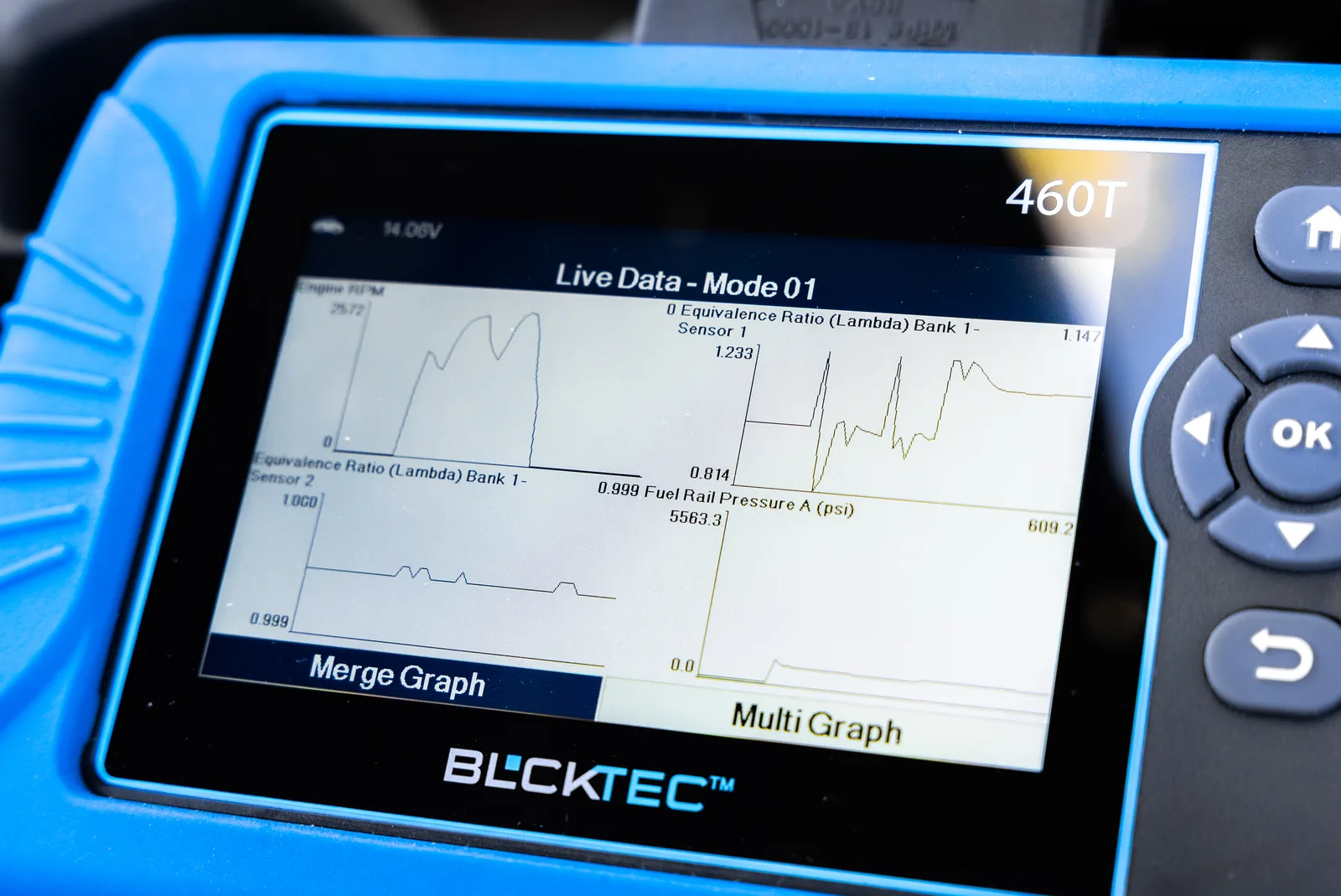
Understanding Range Specifications and What They Mean for You
Not all range claims are equal. When a manufacturer says "30 feet," you need to know: is that line-of-sight in an empty field, or realistic range in and around a vehicle?
Real-world wireless OBD2 range typically performs best at 15-25 feet when you're moving around your car. The OBD2 port sits under your steering column. Your engine bay is roughly 5-6 feet away. So true 20-foot range puts you comfortably in your driver's seat with the door open, able to see your phone screen while the scanner reads live data.
Anything less than 15 feet starts feeling restrictive. Anything marketed at 30-40 feet in a car environment is usually optimistic marketing. The metal frame and electrical interference of a vehicle naturally limit Bluetooth performance.
What separates reliability from the noise is consistency. A scanner that hits 15-20 feet reliably is more useful than one that promises 30 feet but drops to 5 when your truck's alternator is running. Stability matters more than peak range.
Reliability Factors That Actually Predict Long-Term Performance
You're buying a scanner because you want to avoid guesswork and expensive diagnostic fees. That only works if the tool itself is reliable.
Four things separate reliable wireless scanners from the unreliable ones:
- Connection persistence: Does it stay connected once paired, or do you restart the app repeatedly? Budget dongles are notorious for disconnecting between scans.
- Response time: Can you get a code read within 2-3 seconds, or does the app lag? Slow response is often a sign of poor Bluetooth optimization.
- Interference resistance: Does the scanner maintain signal quality in crowded RF environments (parking lots, near WiFi routers)? Professional gear uses better chipsets and software algorithms.
- App stability: Does the companion app crash or freeze under load? Cheap scanners often pair with poorly coded apps that don't handle real data streams well.
These aren't abstract features. They're the difference between a tool that solves your problem and a tool that becomes another problem. When you plug in a scanner from BLCKTEC, you're getting equipment designed to handle real diagnostics, not just look good in a product photo.
Wireless vs. Corded OBD2 Scanners: When Range Matters
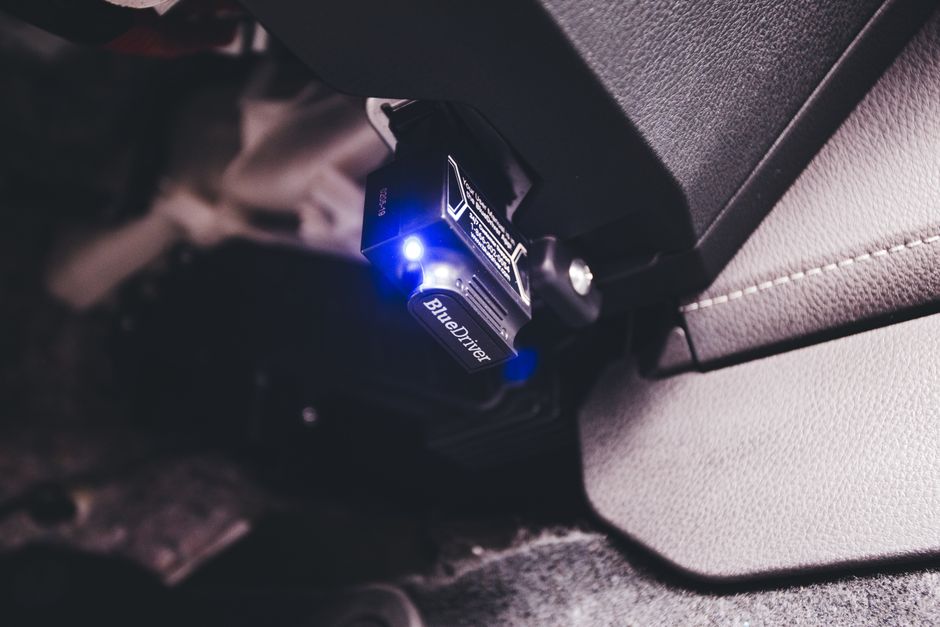
Wireless is convenient. No cable to fumble with. No fighting under the dash to find a comfortable angle. You sit in your seat, phone in hand, and scan.
But wireless comes with tradeoffs. Corded scanners like the 420 - Standard Diagnostics handheld give you instant, lag-free connection and zero range concerns. They're also tough and reliable because there's less to go wrong electronically.
The question isn't which is better. It's which solves your actual problem.
Use wireless if you want convenience and can accept that you're tethered to Bluetooth range. Use corded if you want absolute reliability and don't mind a short cable. Most DIY owners choose corded for first-time scanning because the reliability is higher and the price is lower. Once you're confident diagnosing your own vehicle, some people add a wireless option for convenience on multiple cars.
How to Test Wireless OBD2 Scanner Reliability Before You Commit
Here's the honest move: don't just read specs and buy. If you're investing in a wireless scanner, ask the seller (or the support team) these questions upfront:
- What's the actual effective range in a parked car, not in lab conditions?
- How often do users report dropped connections?
- What Bluetooth version does it use? (5.0 or higher is stronger than 4.2)
- Is the app actively maintained? Old apps break with new phone OS updates.
- What's your return window if the range doesn't meet your needs?
A brand that answers these questions directly and doesn't hide behind marketing fluff is worth your trust. A brand that gets defensive or vague is a red flag.
When you're ready to move forward with a tool you can actually rely on, BLCKTEC offers straightforward support from US-based technicians who'll answer these exact questions and help you pick the right scanner for your situation. No upsell. Just practical help.
Real-World Performance: What Owners Actually Report
Spec sheets are one thing. What people actually experience is another.
DIY car owners who've moved beyond budget Bluetooth dongles report a clear difference: professional-grade scanners maintain connection consistently, scan codes faster, and don't require constant app restarts. Used-car dealers and entry-level mechanics who rely on diagnostics daily need scanners they can depend on, not tools that introduce delay and uncertainty into every job.
The gap isn't subtle. Budget options fail reliably. Professional tools work reliably. In a diagnostic tool, reliability isn't a luxury feature. It's the whole point.
Making Your Choice: Wireless OBD2 Scanner Reliability and Range Checklist
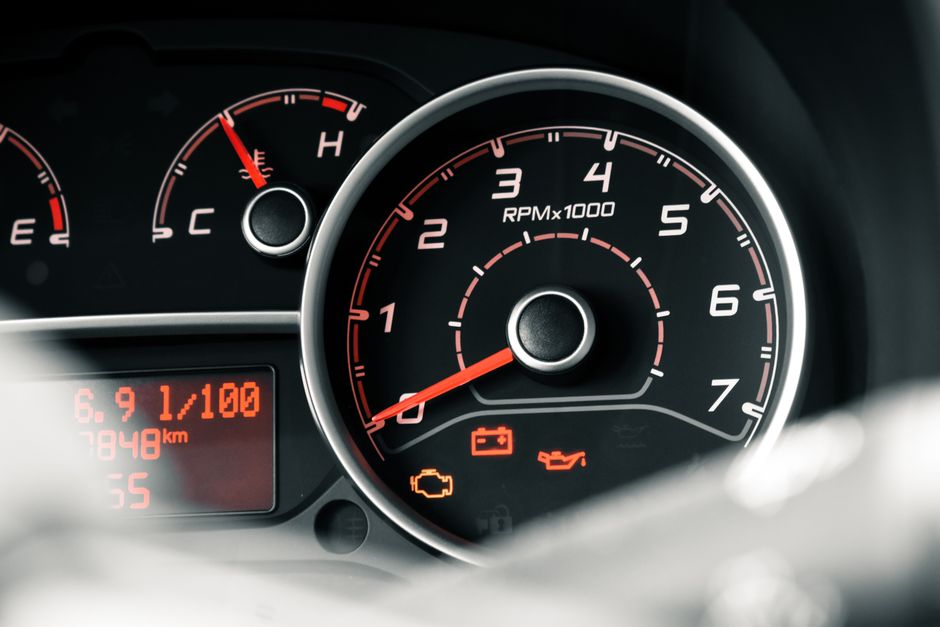
Before you buy, make sure the scanner checks these boxes:
- Realistic range spec (15-25 feet, not exaggerated promises)
- Stable Bluetooth connection that persists between scans
- Fast response time (under 3 seconds for code reads)
- Active app support and regular updates
- Clear return policy in case range or reliability doesn't meet your expectations
- Responsive customer support you can actually reach
If you're choosing between corded and wireless, default to corded for your first scanner. It's simpler, more reliable, and costs less. The 420 - Standard Diagnostics from BLCKTEC gives you rock-solid reliability without the wireless complexity, and at a price that doesn't make you regret the purchase if you only use it once a year.
You don't need the fanciest tool. You need one that works when you need it, gives you honest answers, and doesn't add frustration to your day. That's what separates good diagnostic scanners from the rest.
How far can a wireless OBD2 scanner realistically reach?
In real-world conditions around a parked car, expect 15-25 feet of reliable range. This puts you comfortably in your driver's seat while the scanner reads engine data. Anything marketed above 30 feet in a vehicle environment is usually optimistic. The metal frame and electrical systems of a car naturally limit Bluetooth performance below theoretical maximums.
Why do cheap wireless OBD2 scanners drop connection?
Budget Bluetooth dongles use lower-cost chipsets and simpler antenna designs that struggle with interference and sustained data streams. They also often pair with poorly optimized apps that don't handle real diagnostic protocols well. Professional-grade tools use better hardware and more stable software architecture, which translates to fewer dropped connections and faster response times.
Should I choose wireless or corded for my first OBD2 scanner?
Choose corded for your first scanner. Wired scanners like the 420 - Standard Diagnostics are more reliable, faster, and cheaper. They eliminate connection issues entirely. Once you're comfortable diagnosing your own vehicle and want convenience across multiple cars, consider adding wireless as a second tool. But for reliability and peace of mind on day one, corded wins.
What should I do if my wireless OBD2 scanner keeps disconnecting?
First, confirm the scanner works with another phone or device to rule out app issues. Then check that you're within 20 feet and that no major RF sources (WiFi routers, cell towers) are interfering nearby. If the issue persists, contact the manufacturer's support team immediately. A reliable scanner shouldn't disconnect mid-scan. If it does consistently, it's a defect, not user error, and you deserve a replacement or refund. BLCKTEC's US-based support team can help troubleshoot or replace any scanner that doesn't meet reliability standards.
Looking for an OBD2 Scanner?
Explore BLCKTEC →