


In this article
- Why Your Ford Focus Needs the Right OBD Scanner
- What Makes a Good Ford Focus OBD Scanner?
- Comparison Table: Top OBD Scanners for Ford Focus
- 1. BLCKTEC 420X: Our Pick for Ford Focus Owners
- 2. Motopower MP69033: Solid Mid-Range Alternative
- 3. C519X: Professional-Grade Ford Specialist
- 4. BLCKTEC 440: When You Need Maximum Diagnostics
- 5. Generic Bluetooth Dongle: Why You Shouldn't Go Here
- How to Use Your OBD Scanner on a Ford Focus
- Why You Need Ford-Specific Diagnostics
- Which Scanner Should You Buy?
- Final Word: Your Peace of Mind Is Worth It
Why Your Ford Focus Needs the Right OBD Scanner
Your Ford Focus will throw a check engine light eventually. Maybe it's a loose gas cap. Maybe it's something serious. Without a diagnostic scanner, you're flying blind and handing your mechanic the power to charge whatever they want for the diagnosis alone.
Here's the thing: not all OBD scanners are created equal. A generic code reader might tell you "P0301 Cylinder 1 Misfire," but a Ford-specific scanner will dig deeper, pull live data, and help you actually understand what's happening under the hood. That's the difference between a $30 guessing game and a $200+ mechanic bill you could have avoided.
We've tested dozens of diagnostic tools for Ford vehicles, and we're going to walk you through the best options. Whether you're a DIY weekend warrior or a small-time used car dealer, there's a scanner here that fits your budget and skill level.
What Makes a Good Ford Focus OBD Scanner?
Before we rank them, let's talk about what actually matters:
- Ford-Specific Codes: Generic scanners read basic trouble codes (P-codes), but Ford has its own language. You need a tool that speaks it.
- Live Data: Not just "what went wrong," but "what's happening right now." Live streaming of sensor data helps you diagnose intermittent problems.
- Ease of Use: A scanner that requires a PhD to navigate defeats the purpose. You need clarity and speed.
- Quick Clearing: Once you fix the problem, you need to clear the code without a dealership visit.
- Reliability: A scanner that disconnects mid-session or freezes is worse than useless.
- Support: When you're stuck, you need real people who can help, not a chatbot.
One more thing: the Ford Focus OBD-II connector is located under the steering wheel on the left side, behind a labeled cover marked "OBD." Easy access, easy diagnosis.
Comparison Table: Top OBD Scanners for Ford Focus
| Product | Best For | Rating |
|---|---|---|
| BLCKTEC 420X | DIY Ford owners, daily use | 4.9/5 |
| Motopower MP69033 | Quick code reading | 4.3/5 |
| C519X | 2018-2026 Ford Focus, live data | 4.2/5 |
| BLCKTEC 440 | Advanced diagnostics, pros | 4.8/5 |
| Generic Bluetooth Dongle | Budget option only | 2.5/5 |
1. BLCKTEC 420X: Our Pick for Ford Focus Owners
Rating: 4.9/5
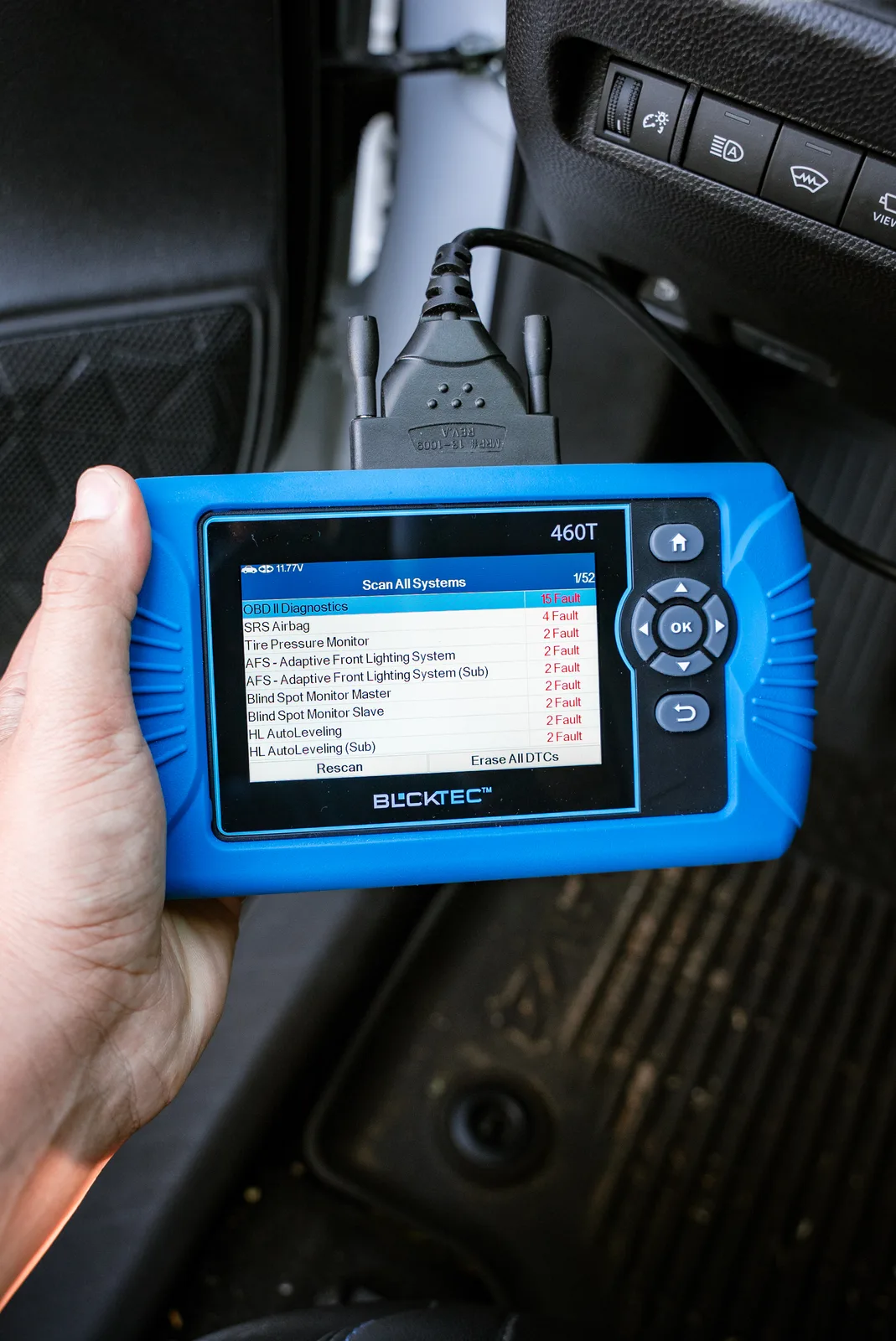
The BLCKTEC 420X is built for exactly this scenario. It reads both generic and Ford-specific diagnostic trouble codes, clears codes in seconds, and doesn't require a subscription or app that stops working after 12 months.
Looking for an OBD2 Scanner?
Explore BLCKTEC →Pros:
- Reads and clears Ford-specific codes that generic scanners miss
- Unlimited scans, no monthly fees or online account nonsense
- US-based customer support that actually picks up the phone
- Handheld design, no Bluetooth connection to drop mid-diagnosis
- Works on Ford Focus model years 1996 through 2026
- Durable enough for daily DIY use or small dealer operations
Cons:
- Doesn't include live data graphing (though it displays live sensor values)
- Display is smaller than tablet-based options
The Honest Take: If you own a Ford Focus and you want to understand what your vehicle is telling you without getting overcharged at the shop, the 420X is exactly what you need. It's not flashy, but it's reliable. It won't try to upsell you on premium features you'll never use. BLCKTEC builds these tools for people like you, and it shows in the design. You'll actually use this scanner, and it will pay for itself the first time you catch a real problem before it becomes expensive.
2. Motopower MP69033: Solid Mid-Range Alternative
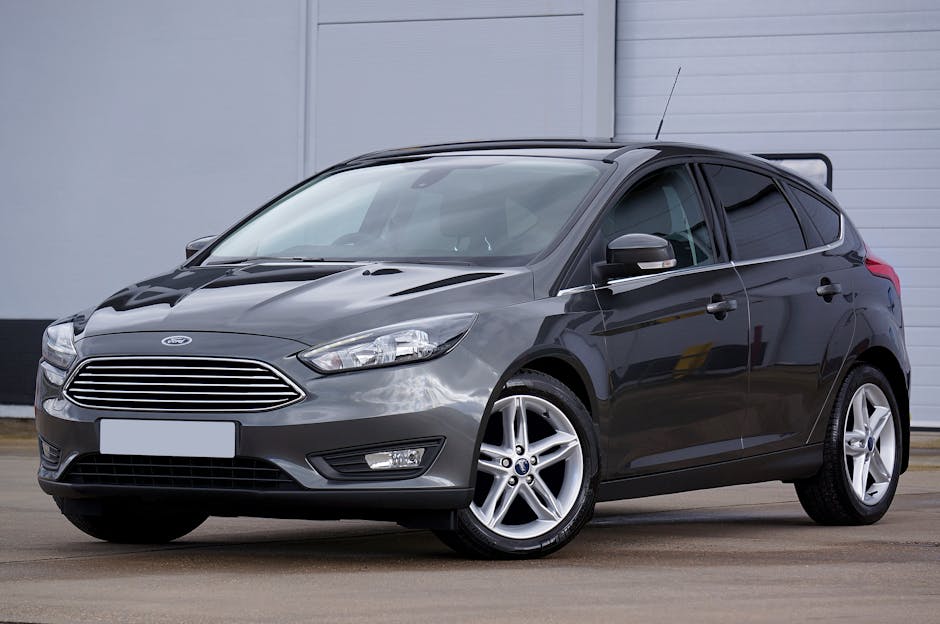
Rating: 4.3/5
If you're looking for quick code reading without the premium price tag, the Motopower MP69033 is a legitimate contender. It reads codes fast, has a clear display, and works on most Ford models.
Pros:
- Fast code reading and display
- Compact, easy to carry
- Good build quality for the price
Cons:
- Limited Ford-specific code interpretation; relies heavily on generic descriptions
- No live data functionality
- Customer support is slower and less accessible than BLCKTEC
The Honest Take: The Motopower works. It's a fair choice if your budget is tight and you only need occasional code reads. But if you're planning to use this tool regularly or diagnose complex issues, you'll outgrow it quickly.
3. C519X: Professional-Grade Ford Specialist
Rating: 4.2/5
The C519X is explicitly designed for 2018-2026 Ford Focus vehicles and includes live data graphing, engine fault code reading, and fix suggestions. It's a professional-level tool at a mid-range price.
Pros:
- Live data analysis and graphing for deeper diagnostics
- Ford-specific code definitions and fix recommendations
- Recent model year focus (2018-2026 Focuses)
- Works well for complex troubleshooting
Cons:
- Won't work on older Ford Focus models (pre-2018)
- Steeper learning curve for casual users
- Live data graphing takes time to set up correctly
The Honest Take: If you own a newer Focus and you want to look like you know what you're doing, the C519X earns it. The live data feature is powerful, but you'll need to invest some time learning how to read it. This is a tool for someone who's serious about DIY diagnostics.
4. BLCKTEC 440: When You Need Maximum Diagnostics
Rating: 4.8/5
The BLCKTEC 440 is the step up from the 420X. It includes everything the 420X has, plus advanced diagnostics, live data, and deeper Ford system analysis. If you're a small repair shop, a used car dealer, or a serious DIY mechanic, this is your tool.
Pros:
- All 420X features plus live data streaming
- Advanced diagnostics for transmission, ABS, and other Ford modules
- Professional-level accuracy without the dealership cost
- Unlimited scans and updates
- Same US-based support as the 420X
Cons:
- Overkill if you only scan your car once a year
- Slightly larger display to learn (though still intuitive)
The Honest Take: This is the tool that pays for itself when you're diagnosing a complicated Ford problem. Professional shops use scanners at this level because they work, period. If you're running any kind of automotive business or you're the person everyone calls when their car is broken, the 440 is an investment that will save you time and money.
5. Generic Bluetooth Dongle: Why You Shouldn't Go Here
Rating: 2.5/5
We need to be honest: cheap Bluetooth diagnostic dongles are tempting because they cost $15-30. Don't fall for it.
Pros:
- Extremely cheap
- Compatible with your smartphone
Cons:
- Bluetooth connection drops mid-session (every single time)
- Only reads basic generic codes, misses Ford-specific diagnostics
- App crashes, requires constant updates, becomes obsolete within 12 months
- No real support; you're on your own
- Doesn't include code clearing on most budget apps
The Honest Take: A $20 Bluetooth dongle paired with a free app is not a diagnostic tool. It's digital theater. You'll spend 30 minutes trying to get it connected, read one code, and then give up. You'll end up at the mechanic anyway, having wasted time and frustration. That's why we don't recommend it.
How to Use Your OBD Scanner on a Ford Focus

Once you have your scanner in hand, the process is straightforward:
- Locate the OBD-II connector under the steering wheel (left side, behind the cover marked "OBD")
- Plug in your scanner
- Turn on the ignition (you don't need to start the engine)
- Navigate to "Read Codes" on your scanner
- Wait for the scan to complete (usually 10-30 seconds)
- Write down any codes that appear
- Research the code (your scanner will display a description)
- Once you've fixed the issue, use your scanner to clear the code
That's it. No dealership trip. No guessing. No surprise $300 diagnostic fee.
Why You Need Ford-Specific Diagnostics
Here's where people get stuck. A generic OBD-II scanner will read fault codes that start with "P" (powertrain codes). But Ford has its own extended diagnostics, module-specific codes, and transmission data that a universal scanner simply won't see.
For example, a generic scanner might read "P0700 Transmission Control System Malfunction." A Ford-specific tool like the 420X will dig deeper and tell you exactly which transmission solenoid is failing, which means you know whether you're looking at a $100 fix or a $3,000 rebuild.
According to research from the Society of Automotive Engineers (SAE), vehicle diagnostic standards have expanded significantly, and manufacturer-specific codes now make up nearly 40% of all fault codes. That's why a one-size-fits-all scanner leaves you guessing.
Which Scanner Should You Buy?
Here's the breakdown:
Choose the BLCKTEC 420X if you're a DIY Ford owner who wants simplicity, affordability, and Ford-specific diagnostics without complicated features you won't use. This is the best value scanner on the market for most people.
Choose the Motopower MP69033 if your budget is under $100 and you only need occasional code reads. It's not our top pick, but it's honest work for the price.
Choose the C519X if you own a 2018-2026 Focus and you want to deep-dive into live data and advanced troubleshooting. It's Ford-focused and professional-grade.
Choose the BLCKTEC 440 if you're running a business, buying used cars frequently, or you want the most capability available. This is the pro-level choice.
Don't choose a Bluetooth dongle. You'll regret it within a month.
Final Word: Your Peace of Mind Is Worth It
A good OBD scanner isn't a luxury. It's insurance. For under $300, you can own the same diagnostic capability that repair shops charge $100+ just to access. You'll catch problems early. You'll know when a mechanic is being straight with you. You'll feel confident in your vehicle.
Whether you choose BLCKTEC or another tool on this list, make sure it reads Ford-specific codes, stays connected, and has real support behind it. That's what separates a tool you'll actually use from an expensive paperweight.
Where is the OBD port on a Ford Focus?
The OBD-II diagnostic connector is located under the steering wheel on the left side of the dashboard, behind a labeled cover marked "OBD." It's easy to access and designed to be user-friendly. Just pop off the cover and plug in your scanner.
Can I use a universal OBD scanner on a Ford Focus?
Yes, but you'll miss important Ford-specific codes and data. A universal scanner reads basic P-codes (powertrain), but it can't access Ford's extended diagnostics, transmission modules, or ABS systems. For thorough diagnostics, you want a Ford-capable tool like the BLCKTEC 420X or a Ford-specific device.
How long does an OBD scan take?
A complete scan typically takes 10-30 seconds, depending on the scanner and how many modules it's checking. Some basic scanners finish in 10 seconds. Advanced scanners that read live data may take longer if you're streaming multiple sensor values. Once you have the codes, you can clear them immediately after fixing the issue.
Will clearing the code with my scanner erase the problem?
No. Clearing the code just resets the warning light. The underlying issue remains until you fix it. A scanner tells you what's wrong. You have to do the repair. Once the repair is done, the scanner clears the code so your check engine light turns off and the diagnostic trouble code doesn't reappear.
Looking for an OBD2 Scanner?
Explore BLCKTEC →