


Car tune-up costs can swing wildly, anywhere from $40 to over $800 depending on what you're getting done. The reason? "Tune-up" means different things at different shops, and that confusion is exactly what keeps car owners overpaying.
Let's cut through the noise and show you what actually determines the price, so you can walk into a service appointment knowing exactly what you should be paying.
In this article
What Are You Actually Paying For?
A tune-up isn't one single thing. It's a package of services, and different shops bundle them differently. That's why the same tune-up can cost $100 at one place and $500 at another.
Here's the basic breakdown:
- Basic tune-up ($40–$150): Usually just spark plugs and maybe an air filter. Quick in and out.
- Standard tune-up ($250–$400): Spark plugs, air filter, fuel filter, fluid check. Most people get this one.
- Full tune-up ($400–$800+): Everything above plus transmission fluid, coolant check, battery test, brake fluid, and sometimes more diagnostic work.
Luxury and performance vehicles almost always cost more. A tune-up on a BMW or Mercedes can easily exceed these ranges because the parts cost more and the labor is more complex.
Five Factors That Actually Change Your Price
Before you get quoted, understand these five drivers:
1. Where You Live
Labor costs vary drastically by region. A tune-up in rural Montana will cost less than the same service in Los Angeles or New York. Parts prices vary too, depending on local market rates.
2. Who's Doing the Work
Dealerships charge the most. Independent shops are usually cheaper. Walmart Auto Care, for example, runs around $55 for a basic tune-up. Big-box stores undercut traditional mechanics, which is why some people go that route.
3. Your Vehicle Type
A Honda Civic tune-up will cost less than a Porsche. Older vehicles sometimes cost less too, because the parts are simpler and widely available.
4. What's Actually Included
This is the biggest variable. Ask your shop for a line-item breakdown before they start work. Don't let them upsell you on services you don't need yet.
5. Your Maintenance History
If you've been skipping tune-ups for years, your first one might cost more because technicians find additional issues. Regular maintenance keeps costs predictable.
How Often Should You Get One?
Most manufacturers recommend a tune-up around 45,000 miles, and then periodically after that. Check your owner's manual for your vehicle's specific schedule.
Here's the real talk: if your car is running fine and you're staying on top of basic maintenance (oil changes, filter replacements), you might not need a full formal tune-up. A lot of shops push them harder than necessary.
This is where having actual diagnostic insight helps. If you're unsure whether your car needs work, Blcktec OBD-II scanners let you read your vehicle's trouble codes yourself, so you know if something's actually wrong before you pay a mechanic for a full inspection.
Looking for an OBD2 Scanner?
Explore BLCKTEC →Related: Best Nissan OBD2 Scanners 2026: Top 5 Ranked
Related: Best OBD2 Scanner for Chrysler 2026: Top 5 Ranked
Related: Best OBD2 Scanner for Subaru 2026: Top 6 Ranked
Related: Best Auto Parts Scanners 2026: Top 5 Ranked
Related: Best Crash Log Auto Scanners 2026: Top 5 Ranked
Related: Best AutoZone Car Scanner Alternatives 2026: Top 5 Ranked
Related: Best Truck Scanners 2026: Top 5 Ranked & Compared
Related: Best OBD2 Scanner for DIY Mechanics 2026: Top 5 Ranked
Related: Best Car Diagnostic Scanners 2026: Top 5 Ranked
Related: Best Engine Diagnostic Scanners 2026: Top 5 Ranked
Related: Best OBD2 Car Diagnostic Scanners 2026: Top 5 Ranked
How to Avoid Overpaying for a Tune-Up
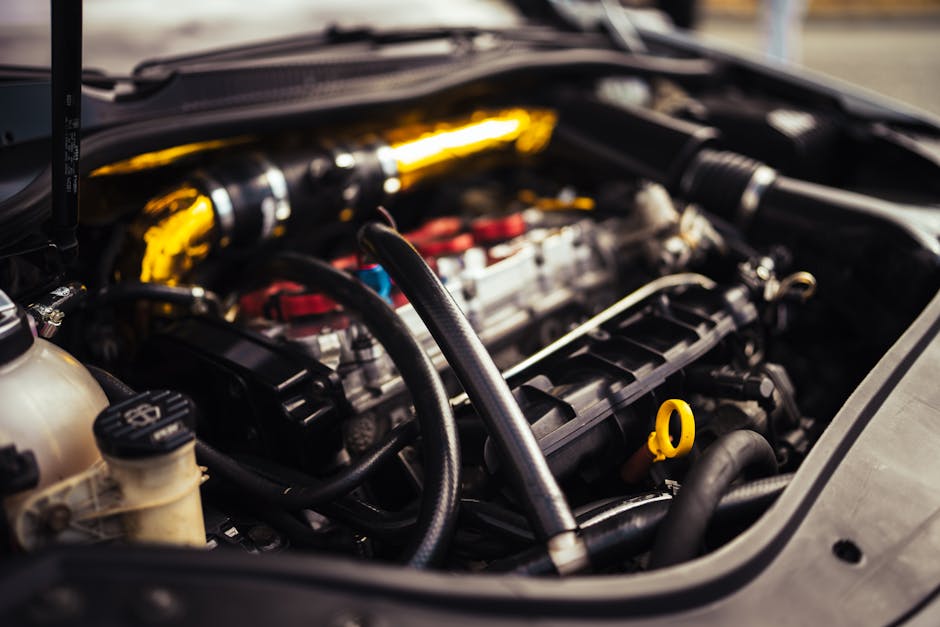
Ask what's included upfront. Get a written estimate. Don't let shops add services without your approval.
Compare shops. Call three different places in your area and ask for the same tune-up package. You'll quickly see who's reasonable and who's padding the bill.
Know your baseline. Blcktec scanners show you what diagnostic trouble codes your vehicle is throwing. If a shop tells you something's wrong, you can verify it yourself instead of taking their word.
Don't get upsold. Shops often recommend expensive extras you don't need yet. Fuel injector cleaning, transmission flush, and engine flush are common add-ons. Ask if they're necessary or optional.
Ask about warranties. Some shops guarantee their tune-up work for 30 or 60 days. That gives you peace of mind if issues crop up right after.
What's Included in Annual Maintenance?
According to Consumer Affairs research from October 2025, the average annual vehicle maintenance cost is around $900. A tune-up is typically just one part of that. You also need to budget for oil changes, tire rotation, filter replacements, and unexpected repairs.
The better you stay on top of regular maintenance, the lower your annual costs will be. Skipping tune-ups and maintenance is how you end up with a $3,000 repair bill down the road.
DIY vs. Shop Service
Some tune-up tasks you can handle yourself if you're comfortable with basic car work. Changing spark plugs and air filters is doable for most owners. Fuel filter replacement is a bit trickier depending on your vehicle.
If you're not mechanically inclined, use a shop. But even if you do go to a professional, you should still understand what they're doing. This prevents you from paying for work that isn't actually necessary. Using Blcktec diagnostics before you head to the shop gives you a real baseline of what your vehicle actually needs.
Should You Trust the Dealership Quote?
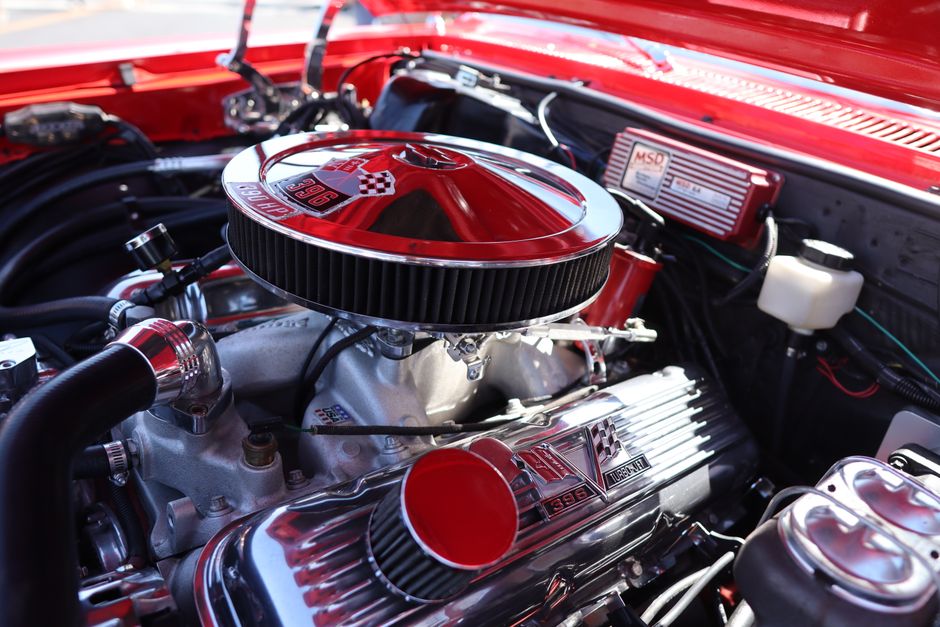
Dealerships almost always charge more than independent shops. Sometimes it's worth it if your car is still under warranty. Most of the time, you're paying a premium for the brand name, not better service.
Independent mechanics are usually more competitively priced and just as capable. The downside is they vary in quality, so get recommendations from friends or check reviews online.
Walmart and other big-box retailers offer low-cost tune-ups, but the technicians may not have the same expertise as a dedicated mechanic. It's a trade-off between price and personalized attention.
Real Talk: Is a Tune-Up Worth It?
If your car is running smoothly, you're not hearing weird noises, and your check engine light isn't on, a full tune-up might not be urgent. Many modern vehicles run fine without formal tune-ups as long as you do regular oil changes and filter replacements.
That said, preventive maintenance is always cheaper than reactive repairs. A $300 tune-up now beats a $2,000 engine problem later.
The key is knowing what your specific vehicle needs. Before you commit to a tune-up, get clarity on what's actually required versus what's optional. Blcktec scanners are affordable tools that help you understand your vehicle's health independently, so you're never guessing whether a repair is legitimate or unnecessary.
Final Takeaway
Car tune-up costs depend heavily on your location, vehicle type, what's included in the package, and who's doing the work. Get written estimates from multiple shops, ask for line-item breakdowns, and don't let anyone upsell you on services you don't need right now.
Regular maintenance beats emergency repairs every time. Plan ahead, stay informed, and you'll keep your tune-up costs reasonable and your car running smoothly.
What does a full car tune-up include?
A full tune-up typically covers spark plug replacement, air filter replacement, fuel filter replacement, fluid checks (coolant, transmission, brake fluid), battery testing, and sometimes fuel injector cleaning or ignition system inspection. The exact services vary by shop, so always ask for a specific list.
How much does a tune-up cost at Walmart?
Walmart Auto Care offers tune-ups starting around $55 for a basic package. They're one of the cheapest options available, which appeals to budget-conscious owners. Just know that the service might be more limited than what an independent mechanic offers.
Can I skip a tune-up if my car runs fine?
Modern vehicles are more reliable than older cars, so you might not need a formal tune-up every 45,000 miles anymore. However, regular oil changes, filter replacements, and preventive maintenance are still essential. If your check engine light isn't on and you're not experiencing problems, you may be able to postpone a full tune-up, but check your owner's manual for manufacturer recommendations.
How do I know if my car needs a tune-up?
Common signs include difficulty starting, rough idling, poor fuel economy, hesitation during acceleration, and a lit check engine light. If you're experiencing any of these, get a diagnostic scan done before committing to a full tune-up. This tells you exactly what's wrong instead of guessing.
Looking for an OBD2 Scanner?
Explore BLCKTEC →