

When you search Reddit for "is the CARS diagnostic tool helpful," you're probably looking for one of two things: either you're prepping for the MCAT and confused about study materials, or you're actually trying to figure out if a car diagnostic scanner is worth buying.
Let's be clear: those are two totally different questions.
If you're asking about MCAT prep, that's not our lane. But if you landed here because you're trying to understand whether a car diagnostic tool is actually helpful for identifying what's wrong with your vehicle—yeah, we can help with that.
In this article
- What Reddit Gets Wrong About Car Diagnostic Tools
- Why a Car Diagnostic Tool Actually Helps (and How)
- What Kind of Diagnostic Tool Actually Works
- Reddit's Real Question: Is It Worth It?
- When a Diagnostic Tool Can't Help (and What to Do)
- How to Actually Use a Diagnostic Tool (It's Simpler Than You Think)
- What Makes a Diagnostic Tool "Helpful"
What Reddit Gets Wrong About Car Diagnostic Tools
Reddit has a lot of opinions about diagnostic scanners, and honestly, a lot of them miss the point.
Some people think a diagnostic tool is magic—that it'll immediately tell you exactly which part is failing and how much it'll cost to fix. Other people think they're useless because they just show a code and don't come with a repair manual attached.
Both takes are wrong.
Here's what a diagnostic scanner actually does: it reads the trouble codes your car's computer is storing. When your check engine light comes on, your vehicle has detected a problem and logged a code. That code tells you where the problem is happening, not always the exact root cause. But knowing where the problem is? That's 90% of the battle.
Before you had a scanner, you'd have to guess or pay a shop to diagnose it for you. Now you can plug in a tool, see what code your car is throwing, and either fix it yourself or walk into a repair shop knowing exactly what you're paying to fix.
Why a Car Diagnostic Tool Actually Helps (and How)
Let's say your check engine light just came on. You have three options:
- Ignore it and hope it goes away (spoiler: it won't).
- Take it to a mechanic and pay a diagnostic fee plus repair costs.
- Grab BLCKTEC and read the code yourself.
Option three costs way less and gives you information. That's the whole point.
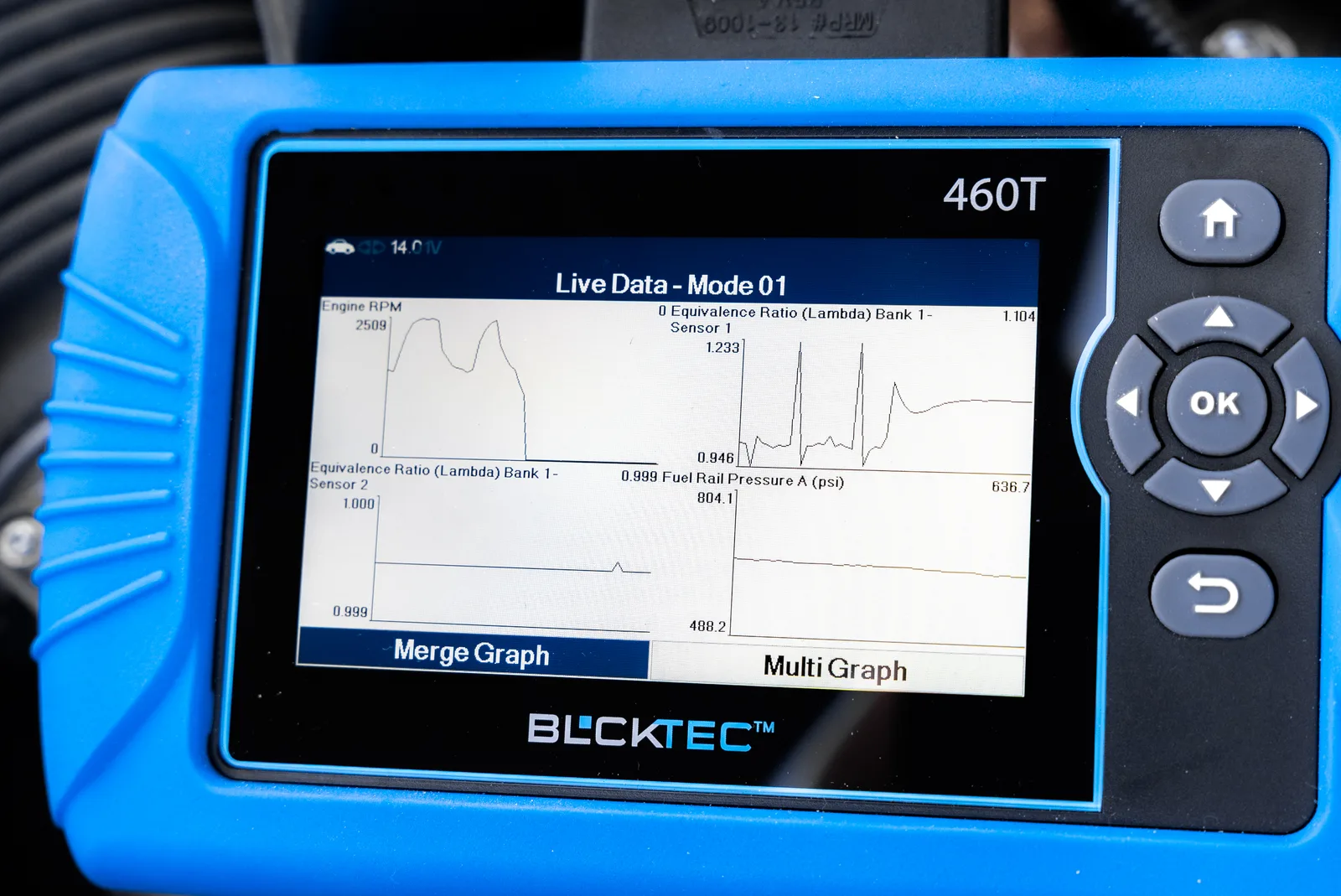
Once you know the code, you can Google it, watch a YouTube video about it, or ask a mechanic specifically about that issue instead of asking them to figure out what's wrong from scratch. You might even be able to fix it yourself if it's something simple like a loose gas cap or a faulty sensor.
Even if you can't fix it, you're not walking into a repair shop blind. You know what the problem is. You can compare quotes. You can decide if the repair is urgent or if you can wait until you have the budget for it.
That's power. That's not overthinking it—that's being smart about your money.
What Kind of Diagnostic Tool Actually Works
Not all scanners are the same, and Reddit threads sometimes compare apples to oranges.
A decent diagnostic scanner reads codes clearly, shows you what they mean, and lets you clear them after you fix the problem.
You want something that's actually easy to use—because if it's confusing, you'll give up and call a mechanic anyway.
The 420X - Standard Diagnostics is built for exactly this: you plug it in, it reads your codes, and you get a straight answer about what's happening in your car. No tech degree required. And you can run unlimited scans, which means you're not paying per check or worrying about subscription fees.
Looking for an OBD2 Scanner?
Explore BLCKTEC →If you want something more powerful for multiple vehicles or professional use, there are options like the 440 - Advanced Diagnostics that give you deeper insights. But for most people just trying to avoid mechanic ripoffs, the standard tools handle everything.
Reddit's Real Question: Is It Worth It?
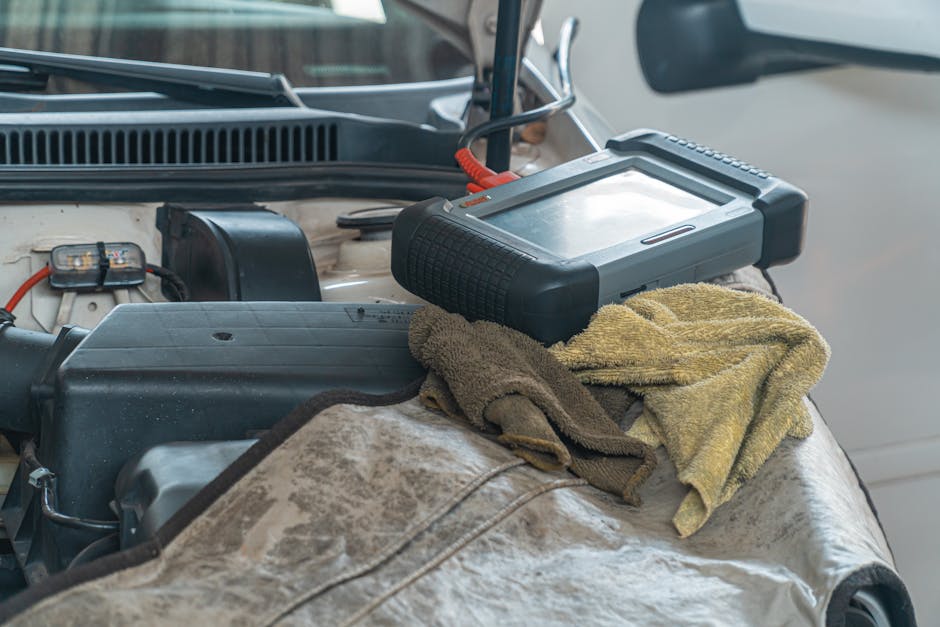
Here's what Reddit users are actually asking when they say "is this helpful?"
They want to know: will this save me money? Will it actually solve my problem, or will I buy it and never use it?
The real answer: yes, if you own a car and want to know what's wrong with it. You don't need to be a mechanic. You don't need to be tech-savvy.
Think about it this way: how many times has your check engine light come on in the last few years? Once? Twice? More? Each time, you either paid someone to tell you what's wrong or you just drove around stressed.
A diagnostic scanner pays for itself the first time you use it instead of paying a shop for a diagnostic fee. After that, it's free information every single time your car alerts you to a problem.
Plus, you get to know your car better. You start to understand what codes mean. You can spot patterns. If that same code keeps popping up, you know there's a bigger issue that needs attention. If it was a one-time thing, you know your car's probably fine.
When a Diagnostic Tool Can't Help (and What to Do)
Here's the honest part: a diagnostic scanner reads trouble codes. That's its job. It can't fix everything.
If your car is making a weird noise, but no code is stored, a scanner won't help you identify it. If something's physically broken—like a belt or hose—you'll need to see it in person or hear it running.
But even then, a scanner helps. If your car throws a code because something physical failed, you'll know it. And you can take that information to a mechanic instead of paying them to play detective.
The tool is meant to work alongside your own judgment and professional help when you need it. It's not a replacement for a good mechanic—it's backup for when you want to make sure the mechanic isn't upselling you on unnecessary repairs.
How to Actually Use a Diagnostic Tool (It's Simpler Than You Think)
Worried you won't know how to use it? Don't be.
Plug the scanner into your car's OBD-II port (it's under the steering wheel, usually). Turn on the ignition. The tool connects automatically and reads your car's codes in seconds. You get a list. You look up what each code means. Done.
Most decent scanners—especially BLCKTEC tools—come with clear instructions and customer support if you get stuck. You're not on your own.
After you fix the problem (or have someone fix it), you use the scanner to clear the code. The check engine light goes off. Your car feels new again.
What Makes a Diagnostic Tool "Helpful"

So is the diagnostic tool helpful? Only if you define "helpful" the right way.
It won't magically fix your car. It won't make you a mechanic. It won't solve every problem you have.
But it will tell you what's actually wrong. It will save you money on diagnostic fees. It will give you confidence when you're talking to a mechanic. It will help you prioritize repairs. And it will let you make decisions about your car based on real information, not guesses.
That's helpful. That's worth it.
Can I use a diagnostic tool on any car?
Not every car. Most vehicles made after 1996 have an OBD-II port and can be scanned. If your car is older than that, a standard scanner won't work. But if you own anything from the late 90s onward, you're good to go.
Do I need a professional to read the codes?
Nope. That's the whole point. You can read the codes yourself with a scanner. Once you have the code, you can look it up online or ask a mechanic about that specific issue. You don't need to pay for a diagnostic appointment.
What if the code comes back but I can't fix it myself?
You take that information to a repair shop. You already know what's wrong, so the mechanic doesn't have to spend time (and charge you) to figure it out. You can get a quote knowing exactly what needs to be fixed. That's a win.
Will clearing the code make the problem go away?
No. Clearing the code just turns off the check engine light. If you clear a code without fixing the underlying problem, the code will come back. So don't use the scanner as a shortcut—use it as information to actually solve the issue.
Looking for an OBD2 Scanner?
Explore BLCKTEC →